Lifetime Citizen Portal Access — AI Briefings, Alerts & Unlimited Follows
Representative Tyler urges raising daily cannabis purchase limits to 2 ounces to help retailers
Loading...
Summary
Representative Tyler testified in favor of H.183 to raise daily purchase limits for adult-use cannabis consumers from 1 ounce to 2 ounces, arguing it would reduce confusion with possession laws and help retail viability.
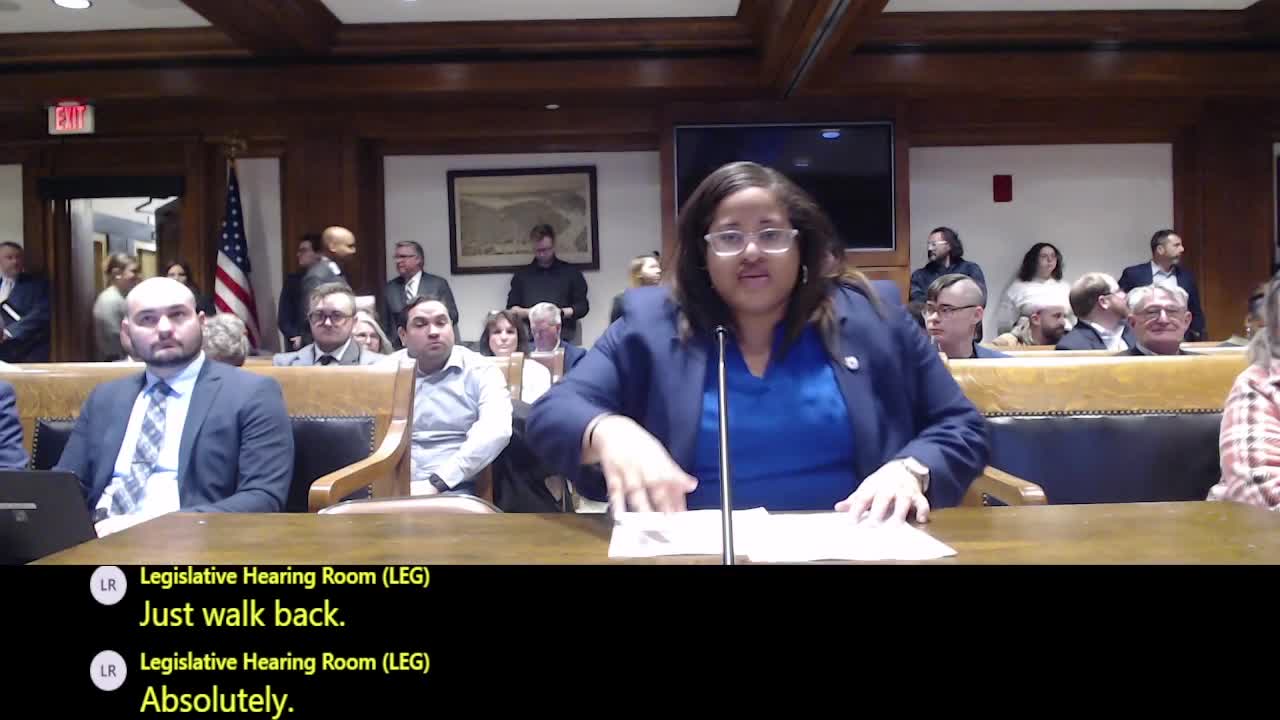
Representative Tyler told the Joint Committee on Cannabis Policy he filed House Bill 183 to raise the daily consumer purchase limit for adult-use cannabis from 1 ounce to 2 ounces.
Tyler said the law governing possession after legalization left a confusing split: the adult-use statutory purchase cap is 1 ounce while decriminalization allows up to 2 ounces without criminal penalty. "As part of the adult legalization in 2017, Massachusetts also raised the possession limits of cannabis to 1 1 ounce while also decriminalizing possession of up to 2 ounces instead of instead making it a civil violation," Tyler said, explaining that the mismatch had created confusion for consumers and retailers.
Why it matters: Tyler and industry witnesses told the committee that many retail transactions hit the 1-ounce limit and that a higher daily cap would reduce purchases from unregulated sources and help stores remain economically viable amid intense price competition.
What he asked for: The bill would increase daily purchase limits on all cannabis products sold by a single consumer from one ounce to two ounces, preserving limits on combined product types (flower, edibles, concentrates) while easing single-transaction constraints.
Who supports it: Retail trade groups including the Massachusetts Cannabis Coalition and a number of operators supported raising purchase and possession limits during the hearing. Businesses said raising limits would keep Massachusetts retail competitive with neighboring states that allow larger daily purchases.
What opponents said: Some advocacy groups and several social-equity operators opposed blanket cap increases unless paired with other safeguards; they warned that changes could shift market dynamics in ways that harm small equity owners unless coupled with measures to protect local operators. Committee members asked industry representatives for data comparing neighboring states’ limits; witnesses pointed to New York (3 ounces) and Maine (2.5 ounces) as examples.
Next steps: The committee received testimony but did not vote. Lawmakers will consider how H.183 and related proposals fit into a broader package addressing market stability and retail viability.