Get Full Government Meeting Transcripts, Videos, & Alerts Forever!
Get email alerts on the Definition Of Antisemitism Education Free Speech topic
No spam. Unsubscribe anytime.
Public commenters split at Massachusetts hearing over defining antisemitism; debate centers on MTA materials, K‑12 curriculum and campus speech
Summary
Public commenters at a Massachusetts commission hearing were sharply divided over definitions of antisemitism and the Massachusetts Teachers Association’s materials, with some urging adoption of a standard definition and others warning against equating criticism of Israel with antisemitism.
A long public‑comment session at the Massachusetts Special Commission on Antisemitism turned into a broad debate over how to define antisemitism, the content of Massachusetts Teachers Association (MTA) professional‑development materials and whether definitions should be applied in K‑12 and higher‑education settings.
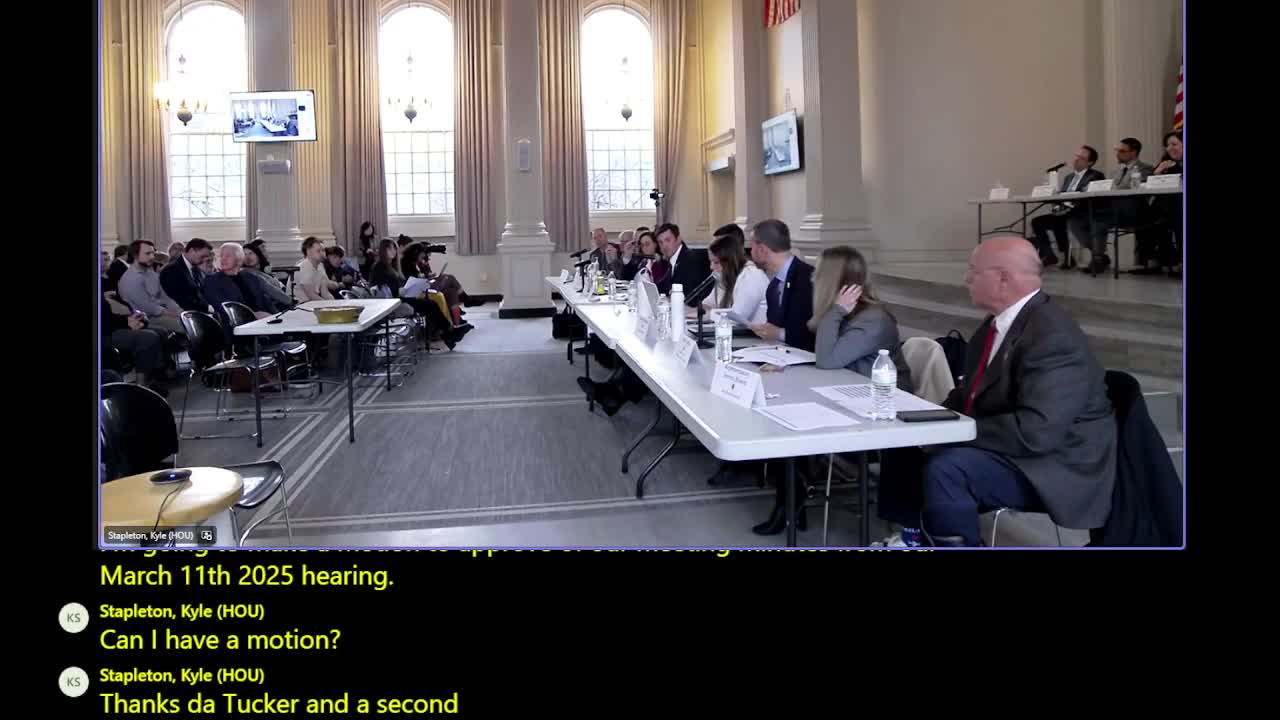
What happened: Commissioners set aside an extended portion of the hearing for public comment; more than 250 people signed up and the panel accommodated roughly 65 speakers. Testimony reflected a sharp divide.
Some witnesses urged the commission to adopt a recognized working definition as a tool for educators and institutions. “Schools should adopt the IHRA definition of antisemitism,” said Gabby Shiller, New England high‑school regional manager for StandWithUs, arguing that a shared definition would help teachers identify historical and contemporary antisemitism.
Other commenters — including teachers, students and civil‑liberties advocates — strongly opposed any definition that treats criticism of Israeli government policy or anti‑Zionist speech as antisemitic. “Criticism of Israel… is not antisemitism,” said multiple speakers, including graduate students and public‑school teachers; several urged the commission to consult civil‑liberties organizations such as the ACLU before endorsing any working definition that might restrict classroom discussion or peaceful protest.
A second thread of testimony addressed the Massachusetts Teachers Association. Several current and former MTA members testified that MTA‑curated resources and webinars distributed after Oct. 7, 2023, were one‑sided and had created a hostile environment for Jewish and Israeli teachers and students. Speakers alleged that some MTA materials omitted Hamas’ role in the Oct. 7 attacks, presented one‑sided narratives, and have not been adequately balanced after public complaints. Multiple commenters asked the commission to review whether the MTA should retain professional‑development approval status for certain materials.
Students and parents testified about incidents in local schools ranging from antisemitic graffiti to classroom materials they described as historically inaccurate. A 15‑year‑old student, David (last name withheld at request), described a classroom handout that erased Jewish historical ties to the land and said he worked with department staff to have the material changed. Several students urged that schools adopt rapid notification practices so families learn promptly when incidents occur.
Other witnesses warned that a narrow focus on policing speech would strengthen the federal crackdown on campus protestors and risk administrative penalties or immigration enforcement for noncitizen students. Speakers noted recent incidents where students and community members were detained or had visa reviews initiated after public protests; several called for a session with civil‑liberties lawyers on how to protect free speech while addressing antisemitism.
Why it matters: The debate touches on core questions about free expression, academic freedom, the role of teacher unions in curating materials, and how government or school systems should respond to hate incidents without suppressing lawful protest. The commission faces a policy tradeoff: recommend a standard that helps institutions identify antisemitic acts, or avoid definitions that could chill protected speech.
Commission response and next steps: Commissioners heard requests to meet with civil‑liberties groups, to review MTA professional resources for factual balance, and to examine complaint, reporting and notification procedures in K‑12 schools. No formal vote was taken on definitions or MTA status during the hearing; staff were asked to collect documentation and to brief the commission on options for training, oversight and further legal review.