Get Full Government Meeting Transcripts, Videos, & Alerts Forever!
Get email alerts on the Child Placement Family Search topic
No spam. Unsubscribe anytime.
Committee adopts substitute for SB 88 to formalize family-search rules, allow foster‑parent hearings
Summary
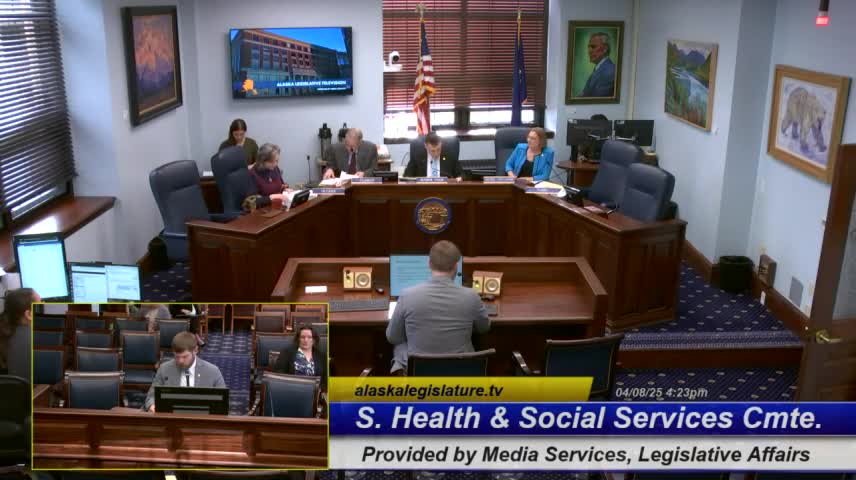
The Senate Health and Social Services Committee adopted a committee substitute for SB 88 and moved the bill from committee by unanimous consent; the substitute formalizes family‑search procedures and gives certain foster parents a statutory right to request hearings opposing transfers.
The Senate Health and Social Services Committee adopted a committee substitute for Senate Bill 88 and voted the measure out of committee by unanimous consent on April 8. The substitute codifies procedures for family searches, clarifies when foster parents may request a hearing to oppose a proposed transfer, lengthens certain foster‑family placement time thresholds and sets a clear‑and‑convincing evidentiary standard in some placement decisions.
Senator Jesse Bjorkman, sponsor of SB 88, told the committee the bill “seeks to make family searches more thorough” and to ensure judges have all relevant evidence when considering placement decisions. The committee substitute (version G) added language specifying which foster parents may request a hearing: a child’s foster parent with whom the child has resided for at least 18 months may request a hearing to oppose a proposed transfer. The substitute also changed a placement period referenced in the bill from 12 to 24 months and added a requirement that the department demonstrate by clear and convincing evidence that continued placement with a foster family is not in the child’s best interest when a relative placement is being considered.
Ariel Wigan, committee aide, summarized the changes for the record and noted that several sections saw no revision. Laura O'Shea, staff to the sponsor, and counsel worked with committee staff and stakeholders to add language making explicit that a foster parent who requests a hearing “does not become a party to the case,” and the substitute clarifies that a nonparty requesting review is not eligible for publicly appointed counsel.
Deputy Public Defender Linda Beecher told the committee that foster parents currently have opportunities to be noticed and speak in hearings but that the substitute creates a statutory right to request a hearing in particular circumstances. Beecher warned the change could increase litigation in child‑welfare cases and noted the difference between giving a person the ability to request a hearing and conferring full party status with attendant rights such as discovery.
Several committee members expressed concern for continuity and bonding when a child has been with a foster family for a long period. Senator Hughes said she preferred an earlier version of the bill that required demonstrable existing contact before a new placement would take precedence. Senator Klayman asked whether the substitute gave foster parents more standing than they presently have; sponsor staff pointed to explicit lines in the draft (page 2 and page 6 of version G) that prevent foster‑parent requesters from becoming parties and prevent appointment of public counsel.
Vice Chair Giesel moved adoption of the committee substitute as a working document, and later Chair Dunbar moved that the committee report SB 88 from committee with individual recommendations and attached fiscal notes. There was no recorded roll‑call vote; Chair Dunbar called for objections, heard none and announced the bill “moves from committee.”
Ending: The bill will proceed with committee recommendations and fiscal notes; committee staff and the sponsor indicated ongoing consultation with stakeholders and the court system as the legislation moves forward.