Get Full Government Meeting Transcripts, Videos, & Alerts Forever!
Get email alerts on the Adult Education topic
No spam. Unsubscribe anytime.
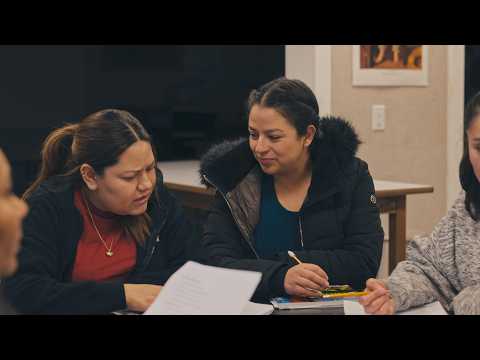
Frontier Middle School evening ESL classes boost parents' ability to communicate with schools, officials and students say
Summary
Frontier Middle School in Eagle Mountain hosts evening English-as-a-Second-Language classes for parents; organizers say the program has grown since its first year and helps adults navigate school and civic tasks.
Frontier Middle School in Eagle Mountain is hosting evening English-as-a-Second-Language classes for parents to help them communicate with teachers, access services and support their students, school staff and participants said.
The program matters because parents who gain English skills can more easily attend school meetings, make appointments and complete routine tasks such as applying for a driver's license, instructors and participants said.
Sadie Palacios, community liaison coordinator, said the program grew from a community need: “We saw the need of parents needing to communicate with counselors and teachers, and they were not able to, and they were reaching out for support and asking, where can I go for English classes?” Palacios said the most rewarding result is seeing participants “grow more compassionate with the community and see their growth and connecting.”
An interviewer on the campus broadcast noted enrollment rose from about 60 adult students in the program’s first year to more than 80 in the following year. Jaren Bakar, principal of Frontier Middle School, said the school reached out to an adult-education provider to offer classes, and that the program “just took off” as resources and interest aligned.
Participants described practical, day-to-day benefits. Lucia, a second-year student in the adult English language program, said studying for about a year and a half has helped her handle important procedures: “It was very important for me. I understand the language when I attend to my children's school's name,” she said, and that the classes increased her confidence in facing tasks such as obtaining a driver’s license.
Gabriela, a teacher in the adult language classes, said instruction includes cultural and practical topics in addition to language: “We can help them not only learn English, but also learn about the culture of this country. And we can see how they find better ways to improve in this.” Teachers and organizers said lessons cover navigating appointments, applying for jobs and other routine interactions.
Staff and participants said the program aims to strengthen family‑school connections and broaden parents’ access to resources, but details such as the program’s full funding sources and weekly schedule were not specified in the recorded remarks. The presenters described the program as a community-driven response to parent requests and a complement to existing school outreach.
Organizers said they appreciate the visible changes in participants’ confidence and connections to the community. “Being able to see that transformation … really is empowering for them to engage in the community,” Bakar said, praising families for participating and community partners for supporting the classes.