Get Full Government Meeting Transcripts, Videos, & Alerts Forever!
Get email alerts on the Tourism Development topic
No spam. Unsubscribe anytime.
Wilsonville council adopts tourism strategy after consultant presentation, asks staff to soften ‘implementation’ language
Summary
Councilors received a 144‑page tourism development strategy from consultants, discussed measurement and the plan’s emphasis on sports, river access and town‑center investment, and approved two resolutions adopting the strategy and a five‑year action plan as part of the consent agenda, 5‑0.
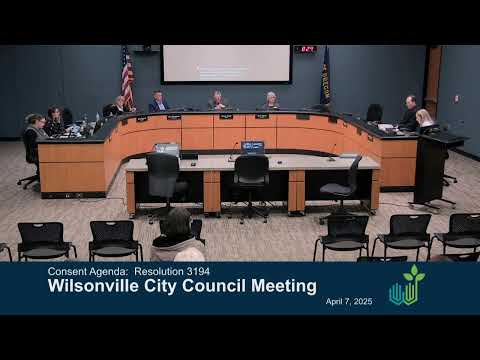
Consultants presented a high‑level tourism development strategy to the Willesville City Council on April 7, and the council approved the strategy and a related five‑year action plan on the consent agenda later in the meeting.
The presentation, delivered by consultants Matthew Landcamper and Greg Netzer and introduced by Moberg, assistant to the city manager and staff liaison to the tourism promotion committee, described a 144‑page strategy built around a long‑range vision for Wilsonville in 2035 and nine strategic “buckets.” The plan groups items into marketing; sports and outdoor recreation; river access; town‑center investment; access and transportation; arts and culture; food and beverage; and diversification of lodging—organized across three implementation stages: catalytic actions in years 1–4, supporting growth in years 5–7, and a final “reaping rewards” stage later in the decade.
Councilors asked for clearer measurement and for the presentation of baseline metrics before implementation. One councilor said data collection and reporting—especially on marketing performance—must be established so the council can track whether strategies are working. City staff and the consultants said early implementation steps include identifying a core tourism implementation team of city staff and partners, creating ad‑hoc strategy teams for specific items, and establishing baselines for social‑media and economic‑impact indicators that the city will track over the plan’s 10‑year horizon.
Several councilors expressed particular interest in accelerating sports and outdoor recreation and in improving Willamette River access and town‑center development as tools to increase visitation and local economic activity. The consultants emphasized that some strategies are prerequisites for others and that many items in stage 1 will continue into later stages because of multi‑year projects such as town‑center improvements.
Council discussion also focused on wording in strategy 1.1 that currently read as an “implementation” directive toward the parks and recreation department. Councilors said the phrase could imply immediate operational changes that conflict with recently adopted council goals to maintain parks. Staff agreed to revise the language to clarify the plan’s intent—making the strategy aspirational and supportive rather than an instruction that mandates immediate department action. During the regular meeting later the same evening the council approved the following consent items by unanimous vote: Resolution No. 3194 (adopting the five‑year action plan and one‑year implementation plan) and Resolution No. 3195 (adopting the tourism development strategy, April 2025) and the March 17, 2025 minutes.
The adoption places the strategy on file and directs staff to return on an annual basis with a one‑year implementation plan derived from the longer strategy. City staff said the annual plan will be where specific near‑term actions, budgets, and responsible parties are identified.
Votes at a glance: the motion to approve the consent agenda (which included the tourism strategy resolutions and minutes) passed 5‑0; the motion was made from the dais and seconded, and the clerk recorded the unanimous affirmative vote.
The strategy will proceed to implementation steps that include signage of a core implementation team, formation of ad‑hoc teams for stage‑1 strategies, and development of baseline metrics. Staff indicated the council would review revised wording for the parks‑related strategy as requested before the item is finalized in city publications.