Get Full Government Meeting Transcripts, Videos, & Alerts Forever!
Get email alerts on the Healthcare topic
No spam. Unsubscribe anytime.
Senate passes bill to limit corporate control of medical clinics; substitute minority proposal fails
Summary
The Oregon Senate passed Senate Bill 951 (SB 951) to tighten the state's corporate practice of medicine rules and limit influence by private equity and other nonlicensed investors over clinical decisions. A motion to substitute a minority, narrower approach failed; the bill passed on final reading by a recorded vote.
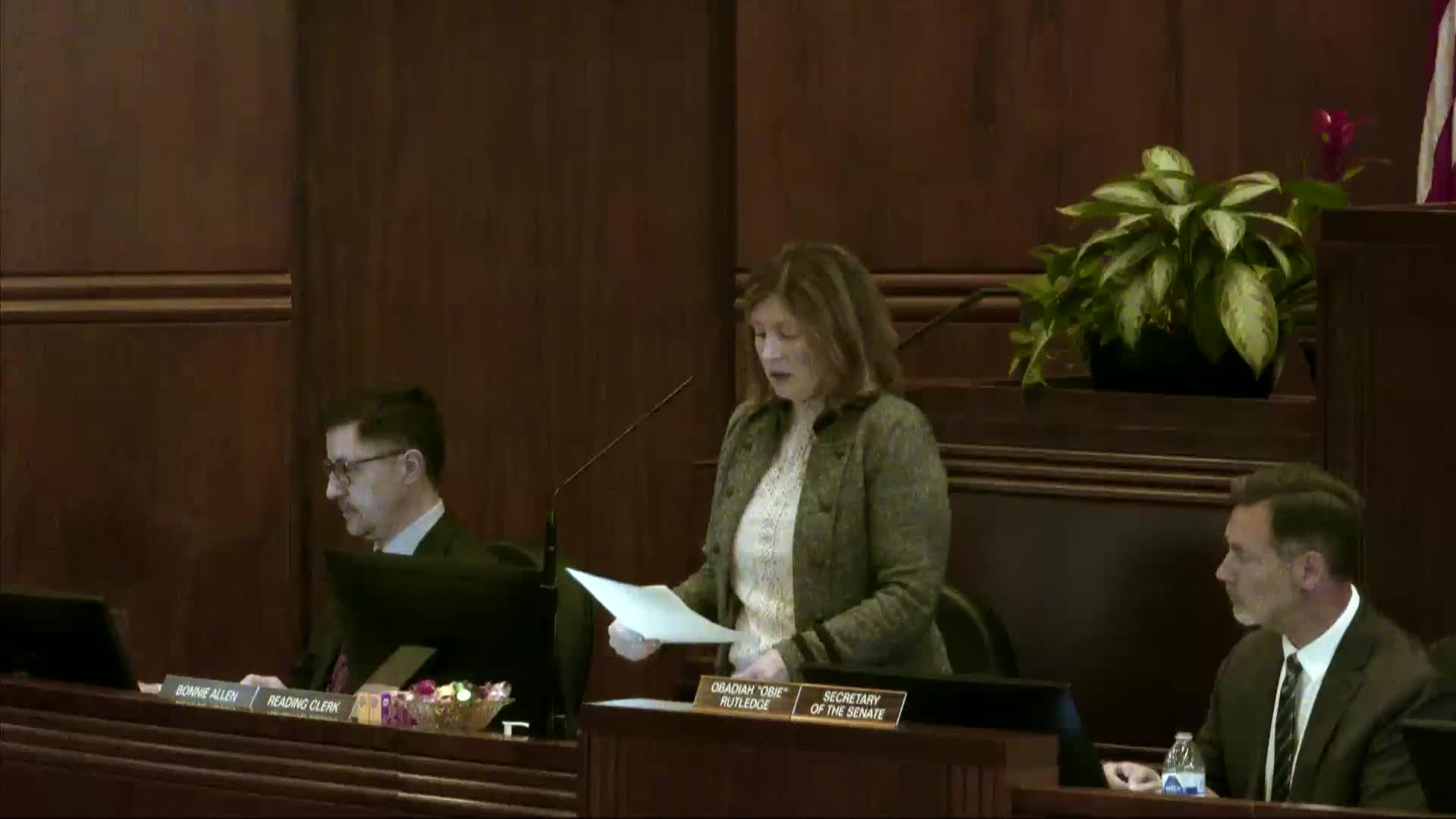
Senate Bill 951, which tightens Oregon's corporate practice of medicine rules and restricts how management service organizations and investors can influence clinical decisions in medical clinics, passed the Oregon Senate on final reading after floor debate on April 8, 2025. The bill was presented by Senator Patterson as a measure to keep clinical decisions in the hands of licensed medical professionals rather than investors.
SB 951 aims to close what supporters called loopholes that allow private equity and other nonmedical entities to control clinics indirectly (for example through MSOs or captive physician employment arrangements). The bill preserves the ability of management service organizations (MSOs) to provide nonclinical services, but requires that physicians retain final authority over decisions that impact patient care; it also curtails certain contractual restrictions such as noncompete clauses and includes a transition period for existing arrangements.
Proponents said the bill protects patient care and physician autonomy. "Senate Bill 951 is a bill that seeks to provide better care for lower cost by keeping doctors in charge of clinics," Senator Patterson said on the floor. Supporting senators, including Reynolds and Meek, described examples where private, profit-driven ownership had pressured clinics to prioritize financial returns over care. Senator Reynolds said, "When physicians lose control over the operations of their clinics, these priorities fly out the window and are replaced by cost cutting, staff layoffs, shorter appointments, unnecessary procedures, and a focus on the profits and financial returns above all else." He added that many clinics rely on a mix of payers and that cost pressures are a real concern for primary care.
Opponents and critics argued the bill could reduce investment options for new or rural practitioners and have unintended effects on access. Senator Hayden offered a minority report as an alternative that, according to its floor argument, would place regulatory oversight with health care licensing boards rather than extending new administrative controls and would attempt a narrower solution. Hayden and others warned the bill could accelerate consolidation under large hospital systems by making independent practice more difficult to finance.
Senator Brock Smith asked whether the Bureau of Labor and Industries (BOLI) would be the primary enforcer. Senator Patterson replied that BOLI would only oversee the portion of the bill related to noncompete clauses, not the full regulatory framework.
The Senate considered a motion by Senator Hayden to substitute the minority report for the committee report; that motion failed on the floor. On third reading and final passage as amended by the committee report, SB 951 passed. The roll call recorded 21 ayes and a set of no votes and excused members as recorded in the Senate journal.
The bill's sponsors and many physician supporters emphasized the measure does not ban investment or MSOs outright but seeks to protect clinical decision making. Patterson summarized: "This bill does not prevent investment in health care. It simply ensures that clinical decisions remain in the hands of medical professionals." The bill text as read on the floor includes provisions to limit noncompete clauses, prohibit certain dual-employment arrangements intended to circumvent ownership rules, and provide a multi-year transition for affected clinics.
Next steps: Following final passage in the Senate, SB 951 will be transmitted to the House (if not already passed there) and proceed through the usual legislative process. The passage on final reading was recorded during the April 8 session.
Ending note: Floor debate included numerous senators describing both real-world clinic financial pressures and patient-care concerns; supporters argued the bill protects patients and physician autonomy, while opponents warned of potential effects on investment and rural access.