Get Full Government Meeting Transcripts, Videos, & Alerts Forever!
Get email alerts on the Court Procedure topic
No spam. Unsubscribe anytime.
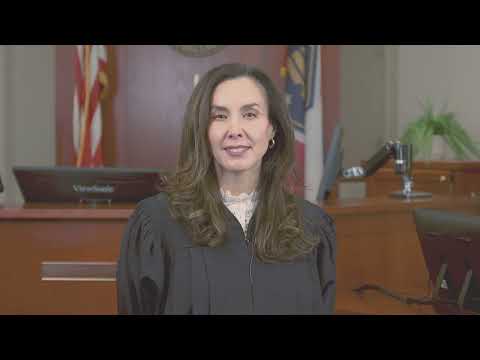
Judge Sánchez delivers Spanish-language advisement on rights, plea options and penalties
Summary
Judge Sánchez read a Spanish-language advisement to defendants outlining the constitutional right to counsel, plea options (guilty, not guilty, no contest), potential penalties including maximum fines and jail terms for misdemeanor classes, and the ability to request up to 45 days before sentencing.
Judge Sánchez read a Spanish-language advisement to defendants at a court hearing, outlining their constitutional right to counsel, the plea options available and the potential penalties they face.
The judge told defendants, “Usted tiene el derecho constitucional de ser representado por un abogado,” and explained that if they cannot obtain counsel the court will appoint a public defender at no cost when a jail sentence is possible. She added that if the court later finds the defendant able to pay, the defendant may be required to reimburse attorney fees.
The advisement explained the three plea options the judge will ask for at the hearing: not guilty, guilty or "sin argumento" (no contest). Judge Sánchez said a no-contest plea carries the same legal sanctions as a guilty plea but does not constitute an admission of guilt. She warned that pleading guilty or no contest waives important constitutional rights, including the presumption of innocence, the right to a speedy and public trial, the right to an impartial jury, the right to confront prosecution witnesses and the right to testify on one’s own behalf.
The judge explained sentencing procedures: if a defendant pleads guilty or no contest, the judge may impose sentence the same day unless the defendant requests otherwise; she said a defendant may ask to return for sentencing within up to 45 days. She also explained that if a defendant is convicted of more than one offense the judge can impose consecutive sentences (one after another) and that fines may apply for each separate offense.
Judge Sánchez read the maximum penalties given during the advisement: for a class A misdemeanor a maximum fine of $4,800 and up to 364 days in jail; for a class B misdemeanor a maximum fine of $1,950 and up to 180 days in jail; for a class C misdemeanor a maximum fine of $1,475 and up to 90 days in jail; and for an infraction a maximum fine of $1,475. She noted that court fees and other charges may be imposed in addition to fines.
The advisement covered post-conviction consequences that may follow a guilty or no-contest plea, including increased penalties for future offenses, possible suspension of a driver’s license, immigration consequences and effects on ability to obtain housing or employment. The judge said defendants should not plead guilty or no contest if they are under the influence of drugs or alcohol, suffering from a mental-health condition that impairs understanding, or if they have been threatened or promised something to induce a plea.
Judge Sánchez outlined courtroom procedures defendants retain if they plead not guilty: the judge will set a return date for a trial or a pretrial hearing, and defendants may subpoena witnesses to testify on their behalf and cross-examine prosecution witnesses. She said defendants who cannot comply with court orders (for example, payment schedules) should speak with their attorney or return to court promptly; the judge may grant extensions or consider community service in lieu of fines.
The advisement concluded with an admonition to request further explanation or a private consultation with an attorney if defendants did not understand their rights. Judge Sánchez closed the advisement by thanking those present.