Get Full Government Meeting Transcripts, Videos, & Alerts Forever!
Get email alerts on the Collective Bargaining topic
No spam. Unsubscribe anytime.
Committee hears narrow fix to collective-bargaining rules for corrections lieutenants; bill carried over
Summary
Senate Bill 195, which would change the supervisory-employee definition so lieutenants at correctional institutions remain eligible for union representation, drew support from AFSCME and concerns from Department of Corrections operations staff about effects on day-to-day supervision. The committee carried the bill over until April 9.
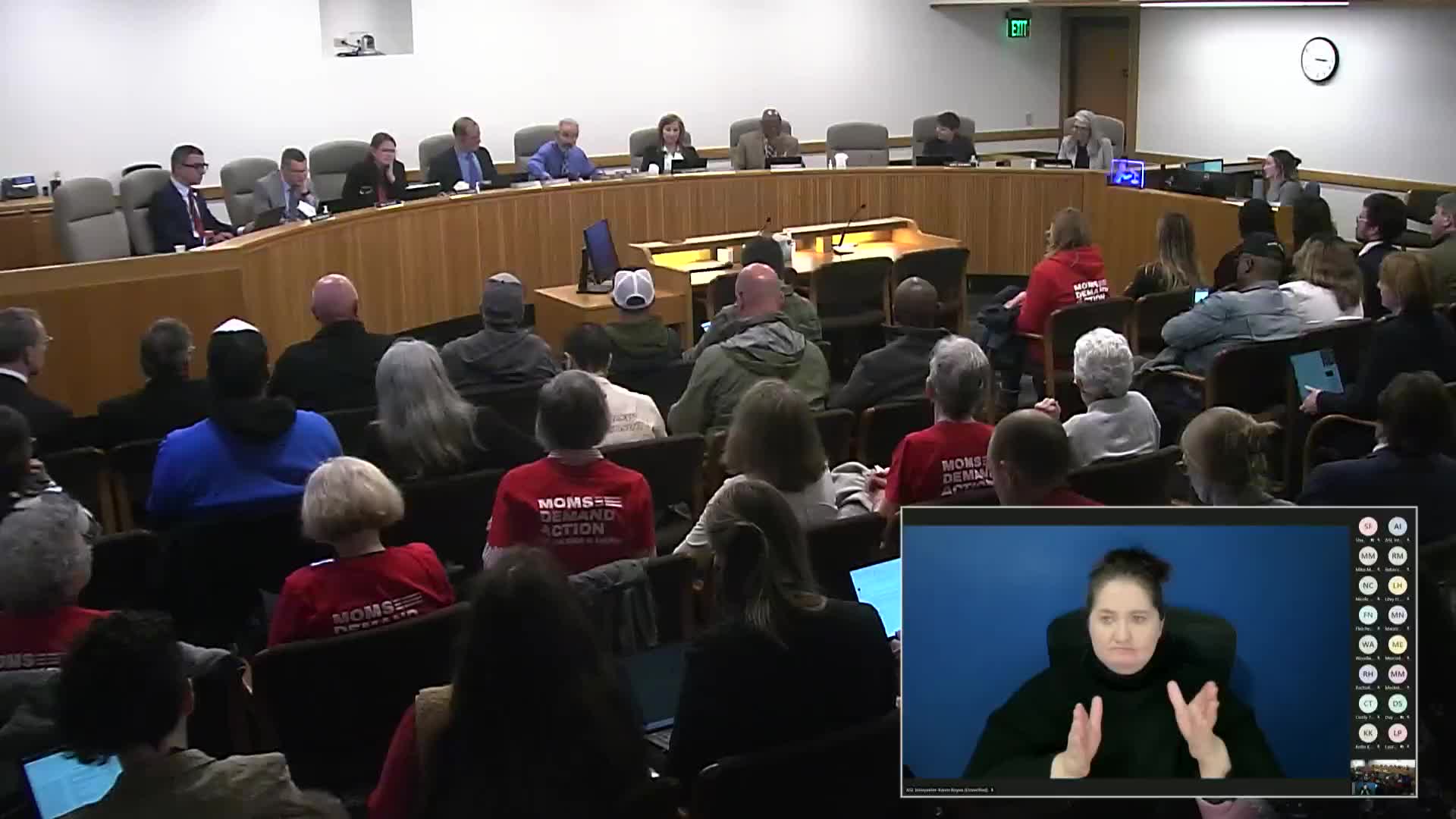
Senate Bill 195, a narrow amendment intended to correct a drafting oversight from the 2024 session, was the subject of a public hearing Tuesday before the Senate Committee on Judiciary.
Susan Allen, representing Oregon AFSCME, told the committee the bill’s dash-1 amendment would fix an omission from House Bill 4115 that had unintentionally excluded AFSCME-represented worksites from an earlier change that granted lieutenants the right to organize. “This just closes the loop and provides parity,” Allen said in support of the amendment.
Department of Corrections officials described operational consequences if the change removes lieutenant supervisory duties. Harvey Matthews, legislative manager for the Oregon Department of Corrections, asked the committee to hear from operations staff about practical impacts. Josh Heiberger, assistant director of operations, said lieutenants commonly act as officer in charge after hours and on some shifts and perform duties that include investigations, evaluations, scheduling and oversight of special housing. He said current staffing ratios of security management to represented staff are about 1 manager to 15 staff; the amendment could change that to 1 manager to 41 represented staff, with “substantial impact” on operations and management support.
The committee closed public testimony and carried SB 195 over until Wednesday, April 9, saying staff need more information from the House and that the committee would revisit the bill once additional paperwork or amendments are available.
Why it matters: The bill would affect which correctional employees may be designated supervisors for purposes of collective bargaining under the Public Employee Collective Bargaining Act. Supporters framed the measure as a parity and representation issue for promoted employees; corrections officials warned of unintended operational consequences.
Next steps: The committee recorded that SB 195 will be carried over to the next day for additional information and possible further action.