Get Full Government Meeting Transcripts, Videos, & Alerts Forever!
Get email alerts on the Enterprise Zone Transparency topic
No spam. Unsubscribe anytime.
Bill would standardize and expand reporting on enterprise-zone and other development tax incentives
Summary
House Bill 2,351 would clarify which business records are confidential, require data-sharing agreements between Department of Revenue and economic development agencies, and expand reporting for long-term rural enterprise-zone incentives; Business Oregon backed the measure while county assessors expressed implementation and workload concerns.
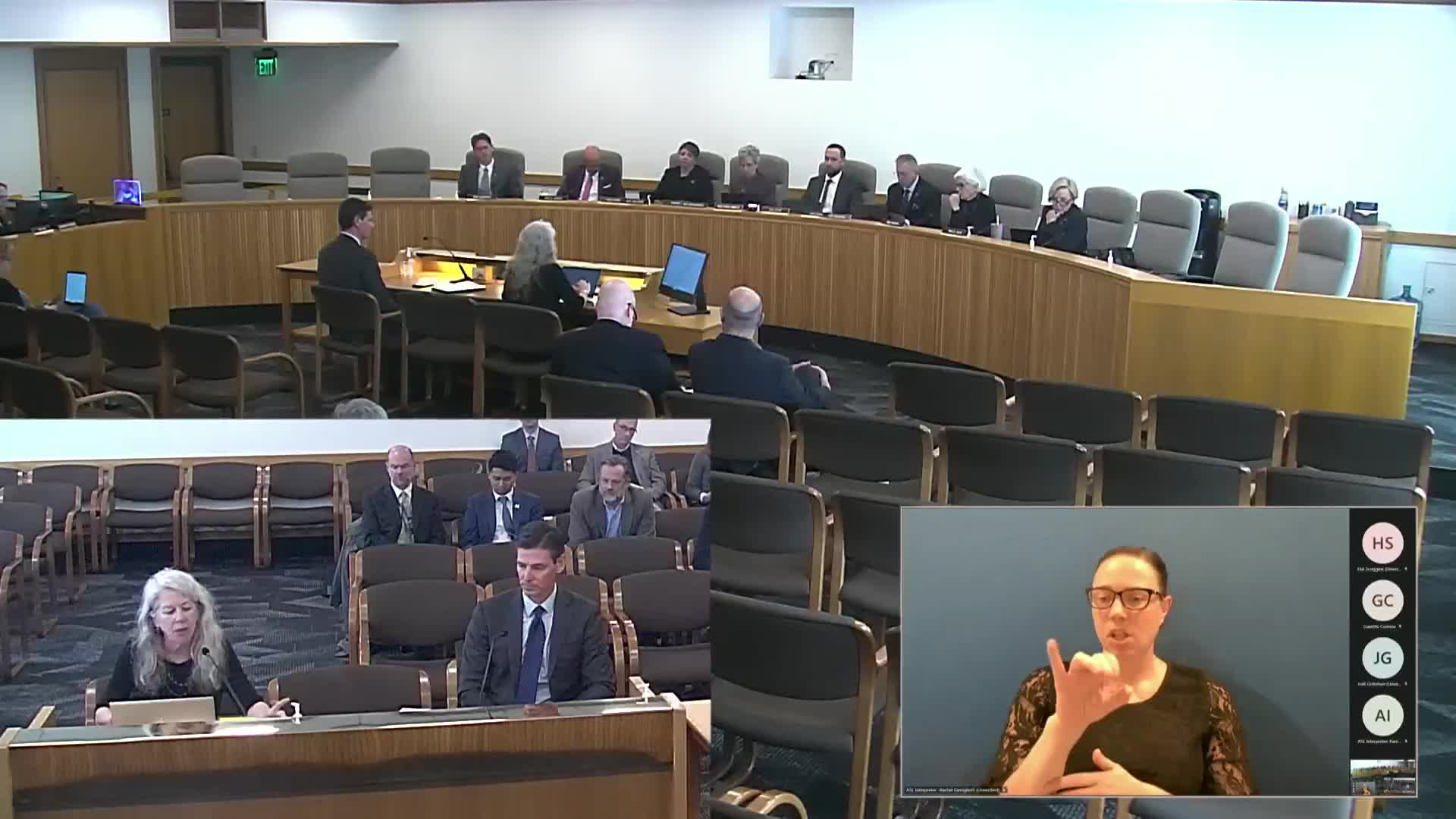
House Committee on Revenue members heard testimony on House Bill 2,351, which would revise disclosure rules and data-sharing practices for state economic-development incentives, including enterprise-zone exemptions.
Business Oregon witnesses Michael Held and Art Fish said the bill implements recommendations from a recent enterprise-zone transparency study and would clarify which business-submitted records can be treated as confidential, establish interagency agreements between the Department of Revenue and Business Oregon for secure data transfer, set timelines for enterprise-zone and Strategic Investment Program reports, and add employee and wage data collection for long-term rural enterprise-zone facilities.
Art Fish said the changes would protect confidential business information while allowing the state to assemble a clearer set of outcome metrics and avoid the disclosure problem that arose when a port-submitted company financial statement was ordered released. The bill includes a dash-1 amendment incorporating Department of Revenue's requested clarifications about exactly what information is to be shared and how.
County assessors and tax collectors, represented by Eric Chancellor, said they were not opposed to the goal of improved transparency but described the bill as a potential "sledgehammer" that could create open-ended statutory obligations and workload that local offices may not be able to meet without clear sideboards. The Association of Oregon Counties told the committee it had moved from opposition to neutral on the dash-2 after stakeholder negotiation but said some post-deed process items still need resolution.
Tax Fairness Oregon supported the bill's improvements but urged the committee to require reporting of fee payments that accompany many enterprise-zone and Strategic Investment Program agreements, saying those fees can be substantial and are not always captured in existing reporting. Business Oregon and local economic development groups supported modest changes and said clarifying confidentiality protections and creating structured data-sharing would improve public reporting while protecting sensitive information.
No formal committee action was recorded during the hearing; witnesses asked lawmakers to refine timelines and reporting definitions while continuing stakeholder discussions about workload and implementation details.