Get Full Government Meeting Transcripts, Videos, & Alerts Forever!
Get email alerts on the Education topic
No spam. Unsubscribe anytime.
Senate committee advances bill to study education adequacy, tighten accountability and require K–8 interim assessments
Summary
The Senate Committee on Education advanced Senate Bill 141 with a dash-5 amendment requiring the Oregon Department of Education to study adequacy, apply new accountability structures tied to the Student Success Act and require three interim assessments per year for K–8 students; the measure was referred to the Joint Committee on Ways and Means.
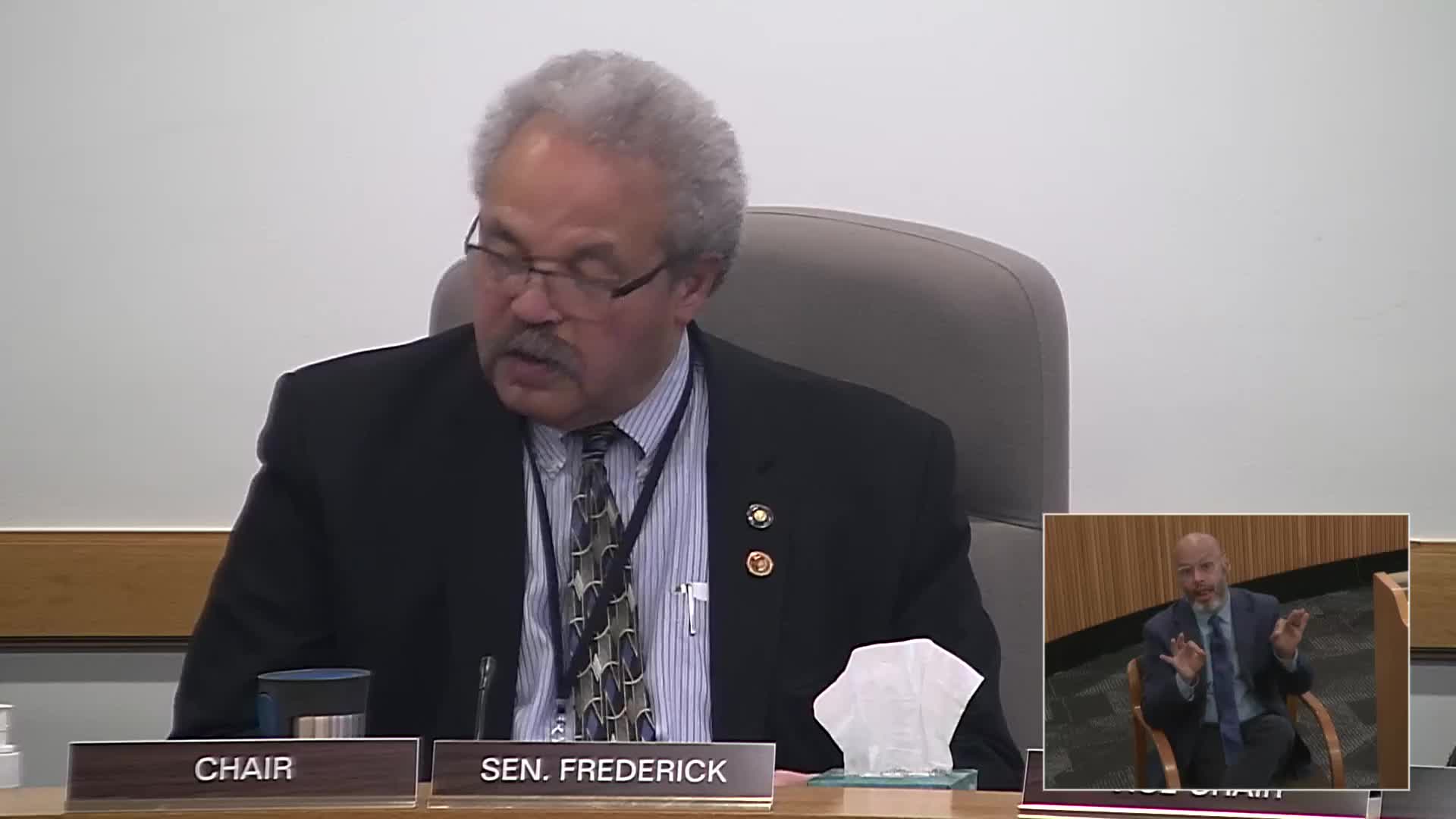
The Oregon Senate Committee on Education on April 9 advanced Senate Bill 141 as amended, ordering it to the Joint Committee on Ways and Means with a due-pass recommendation.
Senate Bill 141 requires the Oregon Department of Education (ODE) to study the adequacy of public education and report to the Legislature by Sept. 15, 2026, and includes accountability provisions that apply certain structures first established in House Bill 3427 (the Student Success Act) to districts receiving state school fund money. The committee adopted a dash-5 amendment that, among other changes, sets timing for performance growth targets and removes science from interim assessment requirements.
Why it matters: Proponents said the bill aims to give educators and districts better, more timely data and build coaching support from ODE, while opponents worried the measure expands state oversight without fully addressing conditions in classrooms. The bill’s changes affect how districts will report and be supported and will influence funding conversations in Ways and Means.
Senators and staff described key technical changes in the dash-5 amendment. Jona Timbs, the governor’s education initiatives director, told the committee the bill’s requirement that interim assessments be administered three times a year would apply to kindergarten through eighth grade. “The interim assessments that...we are having three times a year would be K to 8,” Timbs said.
Tim Boyd, director in ODE’s Office of Education Innovation and Improvement, said ODE intends coaching to be collaborative with districts and to consider context such as rural or urban status, district size and student demographics. “We call it collaborative, corrective action...all of those things are definitely taken into consideration when we make those coaching choices,” Boyd said.
Senators pressed for clarity on implementation. Senator Solman (asked the governor’s office representative) whether districts that already use assessments would face costs; Timbs responded that fiscal language includes funding to support districts that are not currently using assessments on the approved list.
Opponents and cautious supporters raised concerns about centralization and classroom impacts. One senator said while she supported local control and the idea of better standards, she was uncertain the bill addressed day-to-day classroom practice and said she had a hard time voting yes on the main bill. Committee members agreed to bring classroom teachers into a future conversation to describe needs directly.
The committee adopted the dash-5 amendment and then moved the amended bill with a due-pass recommendation and a request for subsequent referral to the Joint Committee on Ways and Means.
Votes and formal actions are recorded by the committee and will be reviewed in Ways and Means for fiscal and revenue impacts.