Residents split during public comment over Mesa nondiscrimination ordinance
Get AI-powered insights, summaries, and transcripts
SubscribeSummary
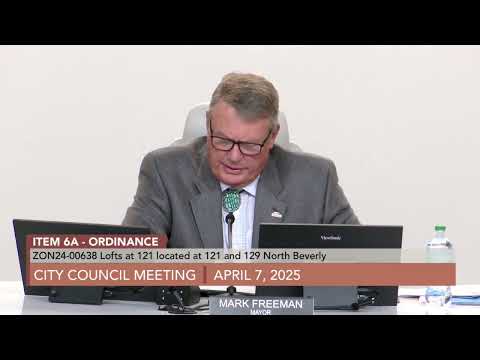
Public comment at the April 7 meeting included calls to repeal Mesa’s nondiscrimination ordinance and counter-comments defending it; speakers cited safety, liability, civil-rights protections and outside political influence.
At the April 7 Mesa City Council meeting, public commenters raised sharply divided views on the city’s nondiscrimination ordinance (NDO). Several speakers urged repeal or tightening of the ordinance citing privacy and safety concerns; other speakers— including local advocacy groups and residents—urged the council to retain and uphold the NDO to protect vulnerable residents.
Why it matters: Mesa’s nondiscrimination ordinance affects how city policies treat people based on protected characteristics in housing, employment and public accommodations. Commenters said the ordinance touches schools, public safety and civil-liability exposure; supporters said the ordinance provides legal recourse for discrimination and balances privacy and religious-liberty concerns.
Speakers calling for repeal or revision raised liability and safety scenarios. Antoinette (last name on file), who described herself as a Mesa mother, cited an incident in Deerfield, Illinois, and argued the ordinance created “uncapped liability and litigation.” She asked the council to “repeal this ordinance or to at least close the door for future uncapped liability and litigation” and requested restoring a narrower fair-housing focus. Other speakers asked the council to reinstate protections for sex-separated spaces and expressed concern about alleged incidents in schools.
Speakers defending the NDO urged the council to preserve protections for LGBTQ residents and emphasized the ordinance’s privacy safeguards. Liz McDonald, who said her family supported the ordinance, noted that “there has not been 1 civil case that has been brought because of it” since its adoption and urged the council to continue treating Mesa as “a welcoming city.” Michael Soto, president and CEO of Equality Arizona and a native of Mesa, said the city’s language balanced privacy and religious-liberty protections and disputed the assertion that trans people pose a public-safety threat: “There has never been even 1 credible evidence of documented case where a transgender person has assaulted a non transgender person in a public restroom or locker facility.” Soto also said transgender people face elevated risks of being assaulted in public restrooms.
Other public-comment themes at the meeting related to political organizing and outside influence. Monica Phillips urged residents to support Councilmember Julie Spilsbury, saying the group Turning Point USA had targeted Spilsbury with outside-funded campaign materials that Phillips said were intended to intimidate local leadership.
No council action on the nondiscrimination ordinance was taken at the April 7 meeting. Councilmembers received the public comments and did not schedule ordinance changes or hearings on the topic that evening.
Provenance: public-comment statements recorded on the April 7 meeting transcript; no legislative action was taken on the ordinance during the meeting.