Get Full Government Meeting Transcripts, Videos, & Alerts Forever!
Get email alerts on the County Services Grave Livestock topic
No spam. Unsubscribe anytime.
Limestone County commissioners question cost, authority of opening graves and burying livestock
Summary
Commissioner discussion flagged rising costs and possible legal limits after county crews opened graves and buried farm animals for residents; commissioners noted a recently passed waiver requirement and asked for an attorney general opinion and clearer funding authority.
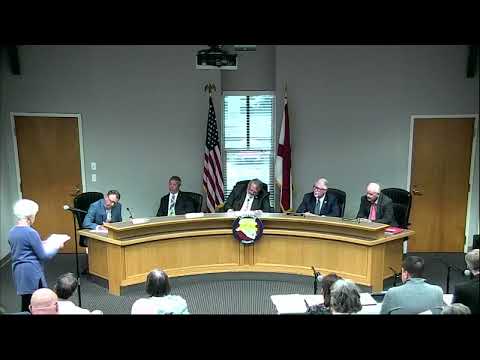
Commissioner discussion during the Limestone County Commission work session on April focused on whether county crews should continue opening graves and burying livestock on private property and how the county pays for those services.
Commissioner Randall Turner said the county has provided those services for decades but that recent records show rising use and costs. He said the commission passed a requirement at the previous meeting that a waiver of liability be obtained before county crews perform grave openings or livestock burials, effective April 1. Turner said counties elsewhere charge hundreds of dollars for the work and questioned using road-and-bridge budgets for what he described as services that benefit private landowners.
Turner framed the issue as three questions: should the county remain in this business when private contractors can do it; whether the service should be funded from the general fund rather than road-and-bridge funds; and whether the county should charge a realistic fee instead of providing the service free. He asked the county attorney and staff to examine statutory authority and recommended requesting an attorney general opinion to clarify whether current practice complies with state law.
Turner gave specific figures from county records when describing scale and cost: he said the county buried about 336 farm animals in 2023 and 284 in 2024, and that crews opened 272 graves in 2023 and 324 in 2024. He said FEMA guidance suggests an approximate equipment-and-labor cost of $200 per hour and that county records counting two hours per job imply roughly $364,000 spent over the past two years to perform those services. Turner said districts receive a $30 reimbursement per instance and that the remainder is covered from district budgets (he said those are road-and-bridge funds).
Other commissioners raised public-welfare concerns, noting that in rural areas with private wells and springs leaving carcasses in place can contaminate water. One commissioner suggested that, if the county continues the service, it should be paid for out of the general fund or handled by a designated maintenance department rather than diverting road crews from pavement work.
Turner warned that if commissioners or staff fail to follow the new waiver policy the county risks liability, and he urged following the rule passed at the prior meeting. He said he would seek an attorney general opinion to resolve conflicting statutory language he described to the commission.
The discussion ended with agreement to bring the legal question back for review and with several commissioners saying they supported further study, including an official opinion to clarify funding and statutory authority.
The county did not record a new vote on changing the service policy during the work session; Turner said the waiver requirement was passed previously and asked staff and counsel to follow up.