
South Kingstown outlines $43 million CIP, warns of rising debt service tied to new high school bond
Get AI-powered insights, summaries, and transcripts
Subscribe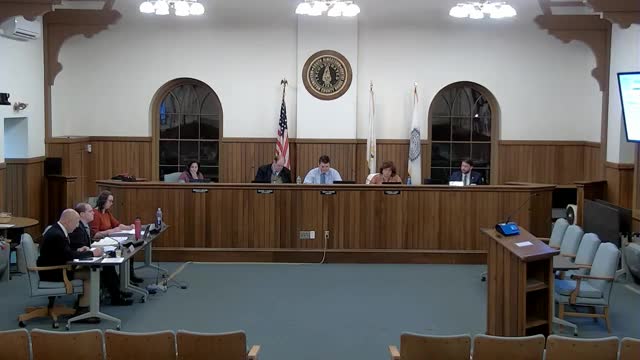
Summary
Town Manager Jim Manny and Finance Director Brian Sylvia presented a six-year Capital Improvement Program totaling about $43.96 million and explained how the approved $150 million school bond will raise the town's debt service, producing peak tax need in FY 2029'FY 2030.
Town Manager Jim Manny and Finance Director Brian Sylvia presented the town's proposed six-year Capital Improvement Program (CIP) and walked the Town Council through a range of funding sources and projected debt-service costs tied to the recently approved high school bond.
Manny said the CIP is a financial plan of projects, costs and funding sources covering fiscal 2025-26 through fiscal 2030-31 and described the six-year program as "a $43,000,000 program over 6 years." Finance Director Brian Sylvia detailed the annual pay-go and debt-service projections and the timetable for issuing bond anticipation notes for the high school construction.
Why it matters: The CIP sets how the town will pace capital spending and whether reserve funds or property taxes pay for projects. Brian Sylvia told the council that the town's general fund pay-go proposal for FY 2025-26 is roughly $2.15 million and noted a 5.3% proposed increase compared with last year. He also flagged the timing and scale of the $150 million general obligation bond the town will issue for the new high school as the principal driver of rising debt service in the coming years.
The finance presentation showed the town's total six-year project costs rising modestly from $43.29 million to $43.96 million, but the larger effect on taxpayers comes from the new school bond. Sylvia said the town will begin to see bond-related costs in the near term through bond anticipation notes estimated at approximately $2.1 million in the first year of construction, with debt service ramping up thereafter. He estimated the total property-tax "need" attributable to debt service will climb to an $8.55 million peak in FY 2029-30 before beginning to decline as earlier debt rolls off.
Council members asked how the town will smooth that increase. Sylvia and Manny described using the town's debt-service fund balance to limit year-to-year spikes and noted that state reimbursement for school construction (discussed in later meetings and materials) will apply once the project and required documentation are complete. Manny emphasized that while assessed-value growth can expand the tax base, it does not reduce the town's absolute property-tax need for debt service; growth can only make it easier to raise the required revenue without increasing the tax rate.
Looking ahead: Sylvia said the town will likely need bond anticipation notes in spring and expects to return to council with specifics before issuing long-term bonds. The CIP adoption timeline shown to council lists a public hearing and adoption on or before Feb. 1, and the town manager's proposed CIP will be discussed with the school department before council adoption.