
Blood‑cancer advocates warn insurance denials and prior‑authorization practices delay life‑saving care
Get AI-powered insights, summaries, and transcripts
Sign Up Free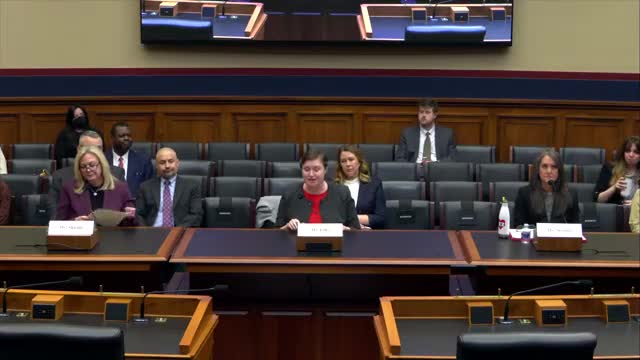
Summary
At a House subcommittee hearing on employer‑sponsored coverage, the Leukemia & Lymphoma Society and lawmakers described mounting evidence of improper or automated claim denials that can delay care for cancer patients and others, and highlighted Medicaid's role as a safety net.
Bethany Lilly, executive director for public policy at the Leukemia & Lymphoma Society, told the House Education and Labor subcommittee that patients with blood cancers frequently face denials, prior‑authorization hurdles and limited coverage that can delay urgent treatment.
"The last thing anyone with cancer should have to think about while undergoing treatment is whether their insurance will or will not cover the health care that they need," Lilly said. She described situations in which patients face immediate treatment needs and encounter coverage limits, prior‑authorization delays and denials that can reduce chances of long‑term survival.
Lilly and other witnesses urged Congress to pursue greater transparency, stronger appeal rights and regulations to prevent improper denials. She pointed to media and investigative reporting: a ProPublica investigation reported practices that allowed claims to be rejected without opening patients' files, and other reporting identified algorithmic review systems used by companies contracted by insurers to increase denial rates.
Why it matters: witnesses said denials and opaque utilization‑management practices are increasingly common and can be catastrophic when patients need time‑sensitive therapies such as cell and gene treatments. Witnesses also emphasized Medicaid's role for patients who lose employer coverage or become too ill to work.
Committee discussion and context: during questioning, members described personal and constituent stories of denials and urged improved oversight. Several members also raised concerns about proposed budget actions that could reduce Medicaid funding; Lilly told the panel that many pediatric and specialized cancer services rely on Medicaid financing and that treatment advances supported by the National Cancer Institute drove many modern therapies.
What was not decided: the hearing collected testimony and questions for the record; no votes or binding policy decisions were made. Committee members requested additional materials and placed studies and letters into the record.
Ending: Witnesses urged Congress to pursue legislative and oversight steps to increase transparency in coverage decisions, strengthen appeals and safeguard programs such as Medicaid that serve people with serious illnesses.