Lifetime Citizen Portal Access — AI Briefings, Alerts & Unlimited Follows
Family‑owned firms tell committees estate‑tax changes could force sales or layoffs
Loading...
Summary
Multiple witnesses told the House–Senate joint hearing that reverting estate tax exemptions would force family businesses to divert cash to planning, sell assets or lay off workers; members from agricultural and manufacturing districts underscored local risks.
Owners of family businesses and franchise operators described to House and Senate committees how changes to estate tax treatment — described in testimony as the ‘‘survivor’s tax’’ — can create liquidity challenges that threaten intergenerational transfers and operations.
Tom Click of Patriot Industries described estate taxes as a direct threat to family ownership. “The federal government could demand a 40% survivor's tax on the business and our family has spent our lives building,” Click testified, adding that much of his company’s value sits in inventory and equipment rather than liquid cash. He said that preparing for an estate tax liability diverts funds away from hiring, expansion and innovation and toward legal, consulting and insurance costs.
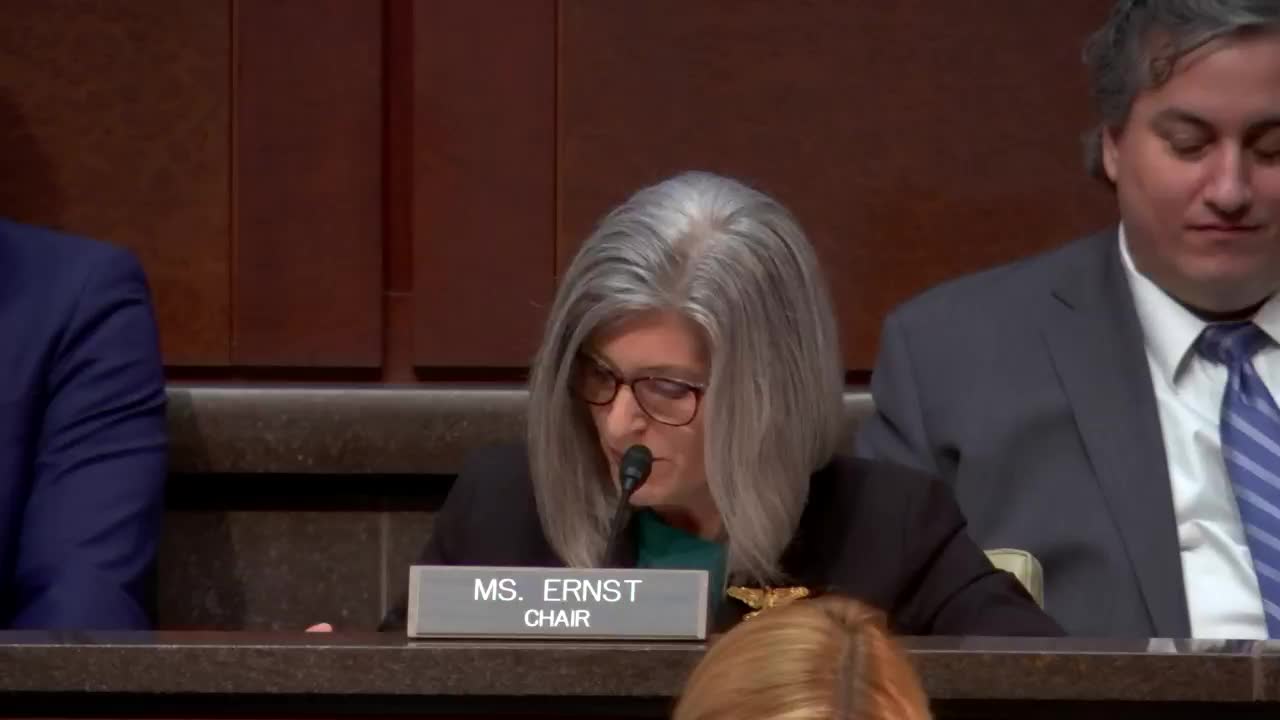
Jerry Akers, a multi‑unit franchisee from Iowa, told the panel that his family has been spending on estate planning to avoid forcing his daughters to take on loans or sell the business. Several members, including Chairwoman Ernst and Representative Pete Stauber, emphasized the importance of the TCJA’s increased estate tax exemption for farmers and capital‑intensive firms in rural districts.
Why it matters: Family farms, ranches and capital‑intensive small businesses often hold value in land, equipment and inventory. Witnesses warned that a lower exemption or reversion of TCJA estate provisions could force sales or liquidation to meet tax liabilities, with potential local economic and national food‑security implications in agricultural districts.
Members asked witnesses what changes firms are making now; answers focused on spending for attorneys and advisors and restructuring to create liquidity rather than on closing operations. Witnesses urged Congress to consider how estate tax policy interacts with business continuity, local employment and community stability.
No policy decision was made at the hearing; members from agricultural and manufacturing districts signaled they will seek legislative protection for family business transfers as committees develop proposals.