Get Full Government Meeting Transcripts, Videos, & Alerts Forever!
Get email alerts on the Tariffs topic
No spam. Unsubscribe anytime.
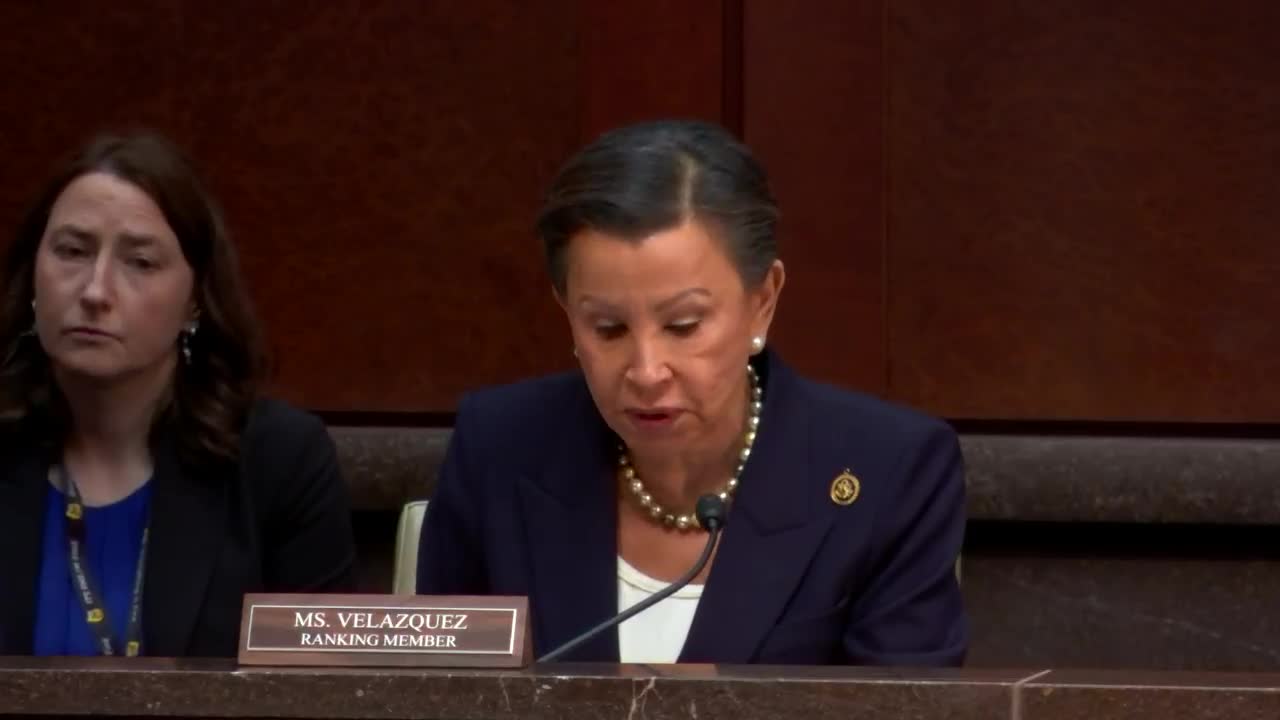
Witnesses and lawmakers warn tariffs are immediate drag on Main Street
Summary
Several members and small‑business witnesses told a joint House–Senate hearing the administration’s recent tariff actions are creating immediate price shocks, planning uncertainty and competitive harms that disproportionately affect small firms.
Small businesses and committee members at a joint House–Senate hearing repeatedly flagged recent tariff actions as an immediate and disproportionate burden on Main Street, saying the measures raise input costs, disrupt planning and reduce small firms’ bargaining power with suppliers.
Representative Ed Markey called the tariffs ‘‘reckless’’ and said small firms are already experiencing supply‑chain shocks and orders to scale back hiring or selections. At the hearing Anne Zimmerman, a CPA and small‑business advocate, emphasized the effect on planning: “The small business uncertainty index is higher than it's been, I think, the second highest ever, even higher than COVID right now.” She added that firm owners she represents are postponing expansion because they cannot predict future input costs.
Why it matters: Witnesses said large corporations can push price changes back to suppliers or negotiate better terms; true Main Street businesses lack that leverage and operate on thinner margins, so tariffs lose cash flow and can force pay, hiring or expansion decisions to be delayed or canceled.
Members cited examples from their districts and witness networks: a Massachusetts general store considering hiring freezes; franchise owners who said higher costs would erode margins; and manufacturers that face sharply higher prices for components. Witnesses warned of a negative feedback loop — higher costs reduce consumer spending, which depresses small‑business receipts and can trigger layoffs.
Several witnesses urged Congress to assert control over trade and appropriations decisions and to prioritize measures that stabilize costs for small employers, including extending health‑insurance premium credits and avoiding cuts to Medicaid that would compound strains on employees and employers.
No committee action was taken. The tariff debate at the hearing underscored divisions among members on trade tools and highlighted an immediate policy risk many witnesses said requires urgent congressional attention.