Citizen Portal

Senate Judiciary Hearing Highlights FOIA Backlogs, Proposals to Strengthen Transparency

2915077 · April 8, 2025

Get AI-powered insights, summaries, and transcripts

Subscribe
AI-Generated Content: All content on this page was generated by AI to highlight key points from the meeting. For complete details and context, we recommend watching the full video. so we can fix them.

Summary

A Senate Judiciary Committee hearing featured bipartisan praise for the Freedom of Information Act but focused on record request volumes, persistent backlogs, and proposals ranging from stronger affirmative disclosure rules to new enforcement tools and expanded use of technology.

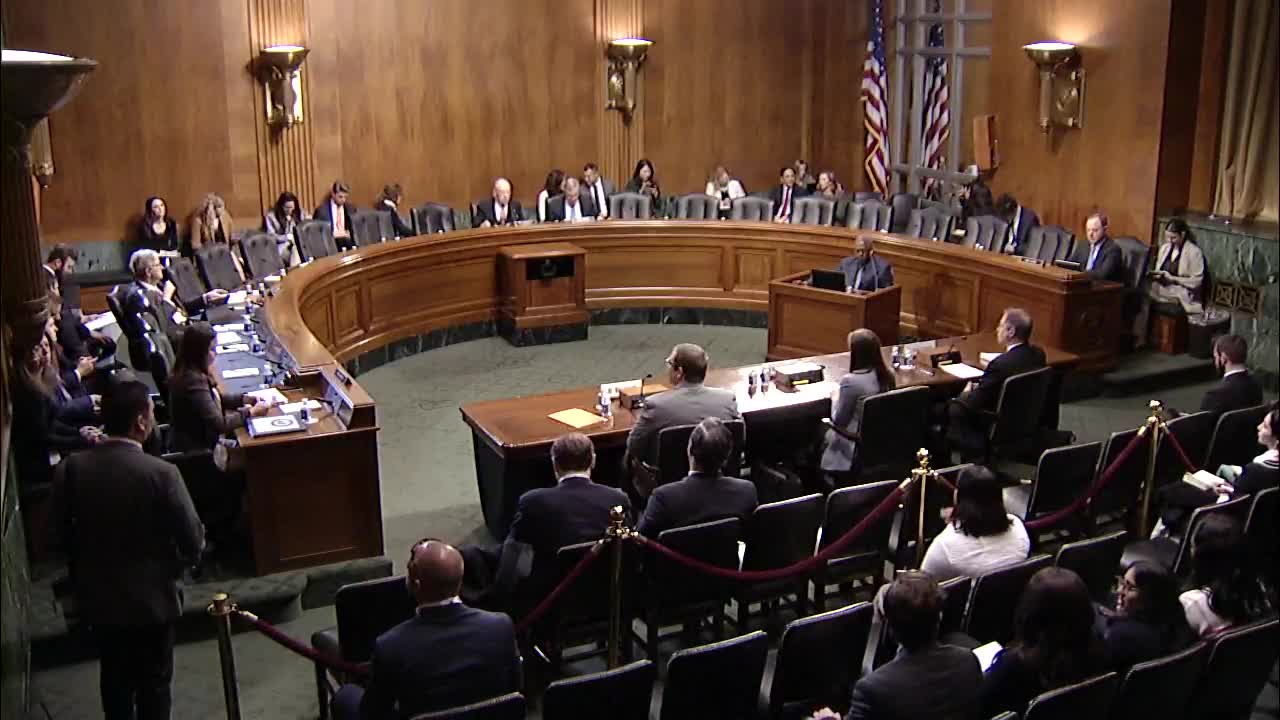
Chairman Chuck Grassley, Ranking Member Dick Durbin and three witnesses told the Senate Judiciary Committee that the Freedom of Information Act remains essential but strained by record volumes, staffing cuts and agency resistance.

Grassley opened the hearing by framing FOIA as “a critical tool that Americans use to keep our government transparent and accountable,” and said the committee has a continuing role in updating the law for a digital era. Durbin stressed FOIA’s role in oversight amid what he described as an atmosphere of public distrust and personnel changes he said have weakened agencies’ FOIA responses.

The hearing’s three expert witnesses — Daniel Epstein, an associate professor of law at St. Thomas University and vice president at America First Legal; Margaret Kwoka, Professor of Law at Ohio State University’s Moritz College of Law; and Mike Howell, president of the Oversight Project — offered overlapping diagnoses and distinct reforms.

Kwoka recommended stronger affirmative-disclosure requirements (the FOIA “reading room” rules) and a statutory public-interest balancing test that would require agencies to weigh potential harm against the public interest in disclosure. She urged Congress to require standardized, machine-readable FOIA logs and clearer authority for courts to enforce reading-room obligations.

Epstein urged statutory clarification to enable pattern-or-practice claims when agencies chronically delay or withhold records, and recommended empowering administrative remedies such as a more robust Office of Government Information Services (OGIS) to mediate disputes and reduce costly litigation. He also said Congress should clarify the standard for awarding attorney fees so small organizations can afford to litigate when agencies refuse to act.

Howell described how his organization has used volume filing and litigation to force disclosures, saying the Oversight Project has filed roughly 100,000 FOIA requests, brought nearly 100 suits, and obtained more than a million pages of documents. He and other witnesses urged wider use of modern search and e-discovery tools — including limited, supervised applications of artificial intelligence and APIs for agency reading rooms — to reduce human-intensive processing.

Senators on both sides of the dais pressed witnesses about enforcement. Several members discussed potential personal liability or sanctions for agency employees who intentionally withhold records; witnesses said existing remedies are rarely applied and suggested clearer statutory penalties or stronger judicial and administrative enforcement mechanisms. The panel also debated whether resources or incentives are the primary cause of noncompliance: witnesses and senators said both under‑resourcing and intentional obstruction play roles.

Committee members raised the pending litigation over whether the Department of Government Efficiency (referred to in the hearing by its acronym) is subject to FOIA and expressed concern about recent personnel changes at agencies. Several senators criticized reported firings of FOIA staff at agencies such as HHS, CDC and FDA and said such changes heighten the need for proactive disclosure obligations.

The hearing closed with Chairman Grassley asking witnesses to answer written questions for the record by the committee’s stated deadline. No formal legislative action or vote was taken during the hearing.

The committee heard repeated calls for a mix of statutory change (stronger affirmative disclosure rules, clearer standards for pattern-or-practice claims, and better fee and sanction provisions), administrative improvements (more OGIS authority, stronger Department of Justice Office of Information Policy guidance), and technological modernization (e-discovery, searchable reading rooms, and limited AI tools) to reduce backlogs and improve public access to federal records.