Senators press nominees on mass firings, collective bargaining executive order and effects on services
Get AI-powered insights, summaries, and transcripts
SubscribeSummary
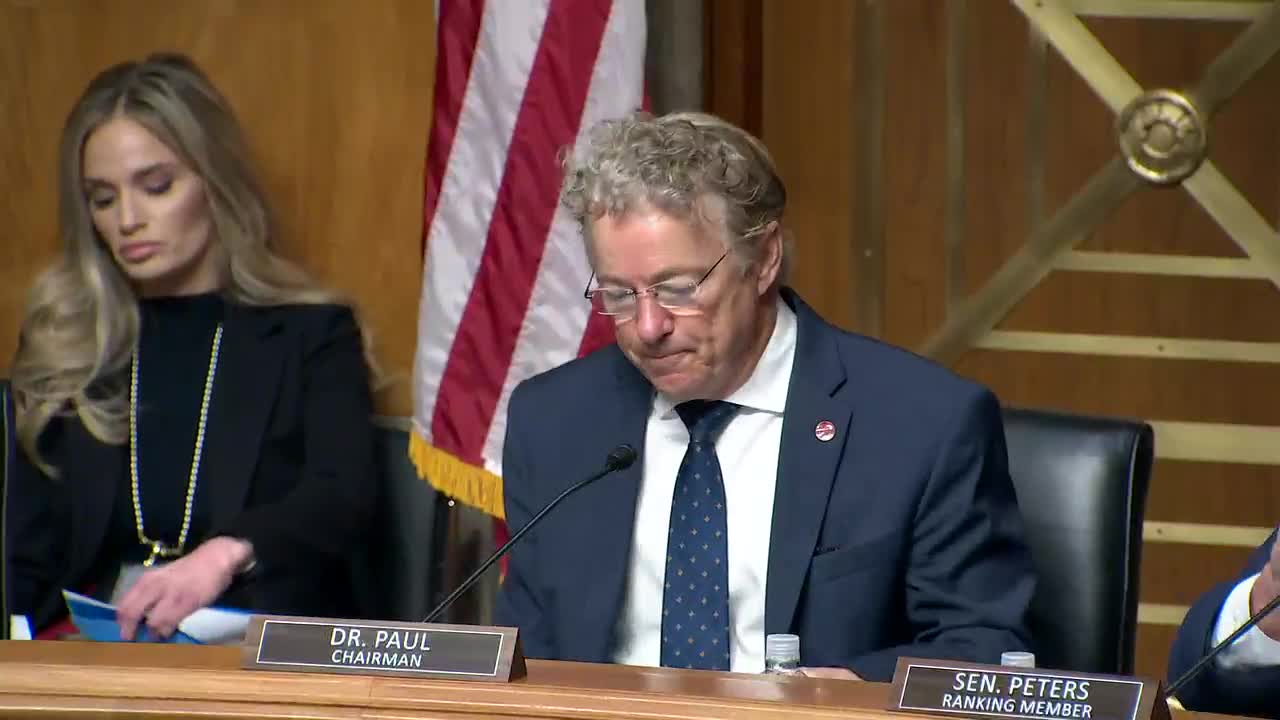
Committee members described recent administration personnel actions as an 'unprecedented assault' on the civil service and pressed nominees on transparency, measurement of effects on services and protections for veterans and critical programs.
Ranking Member Peters and several senators described recent administration actions affecting the federal workforce as sweeping and potentially damaging, questioning nominees about oversight, metrics and the operational effects of reductions in force.
Why it matters: Changes to personnel policy, reduction in force procedures and collective bargaining rules can alter agency capacity to deliver services to veterans, low‑income households and other beneficiary groups, and shape recruitment and retention across the civil service.
Key points of questioning and testimony:
- Scope and characterization: Ranking Member Peters called the administration’s actions over the past months “an unprecedented assault on federal workers,” citing mass firings, elimination of offices and the recent executive order described in questioning as stripping collective bargaining rights from about 1.5 million employees.
- Program impacts cited by senators: Examples raised included closure or disruption of LIHEAP operations (serving an estimated 6.2 million people nationwide), rapid staffing losses in OMB/agency CHIPS grant offices (one senator said about one‑third of staff left), reports of VA scheduling problems and local Social Security field office service shortfalls.
- Performance management and incentives: Witnesses noted long‑standing concerns with federal performance systems (witnesses cited a figure that 69% of employees are rated above average while just 0.4% are below); nominees said they would review performance evaluation, promotion and hiring authorities to create clearer incentives and timely accountability.
- Executive order and measurement: Senators asked whether the administration would measure effects of the collective‑bargaining executive order on service delivery. Eric Ueland said he had not committed to a measurement approach prior to confirmation but emphasized that measurement should include both effects on the federal workforce and the broader public and private sectors; Cooper said he would study the order and OPM would participate in relevant processes.
Nominees’ responses: Cooper emphasized transparent communication and humane treatment of employees during restructurings and said OPM can offer guidance; he also answered “yes” when asked whether input from federal unions is valuable. Ueland repeatedly said he would collaborate with the committee and agencies, but declined specific operational commitments until confirmed.
Committee follow‑up: Senators signaled they will continue oversight and request detailed staffing and services data; they urged OPM and OMB to provide advance notice and transparent analyses before implementing further large personnel changes that could affect critical services.