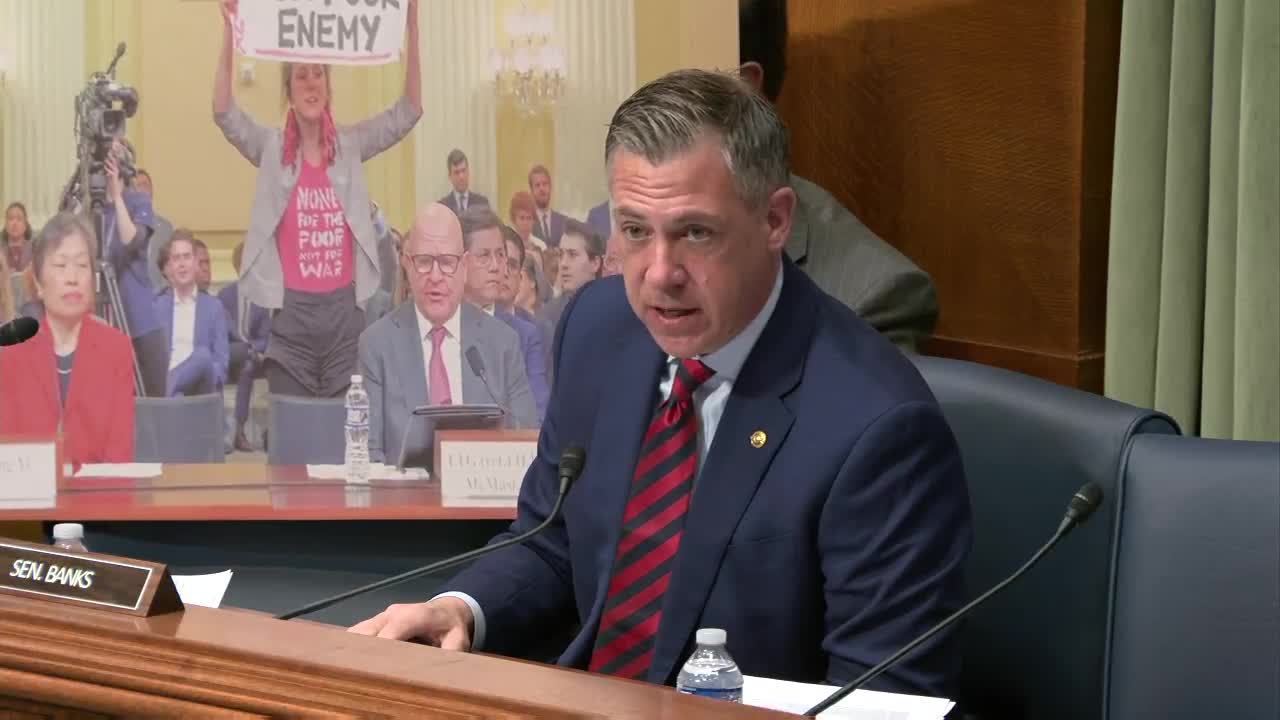
Senators clash over ICE arrests and removal proceedings tied to campus protests

2914114 · March 27, 2025

Get AI-powered insights, summaries, and transcripts

Subscribe
AI-Generated Content: All content on this page was generated by AI to highlight key points from the meeting. For complete details and context, we recommend watching the full video. so we can fix them.

Summary

Senators debated recent federal immigration enforcement actions tied to campus protests and the removal proceedings targeting an individual accused of supporting Hamas; witnesses warned against punitive policy that could chill speech while senators pressed for enforcement against alleged wrongdoing.

Senators at the HELP Committee hearing exchanged sharp questioning over recent immigration-enforcement actions tied to campus protests, including removal proceedings and arrests by federal agencies.

Sen. Ed Markey, D-Mass., criticized what he described as heavy-handed enforcement actions, saying masked ICE officers "grabbed Rumaisa Ozturk, a PhD student at Tufts University off the street as she was on her way to break fast for Ramadan" and noting that Ozturk had not been charged with a crime at the time of his remarks. Markey argued that arrests without charges risked chilling constitutionally protected expression and that federal action should be evidence-based.

By contrast, several Republican senators defended enforcement steps against individuals accused of endorsing or materially supporting extremist organizations. Sen. Josh Hawley, R-Mo., pressed Kenneth Stern on whether removal proceedings for Mahmoud Khalil—a noncitizen the government has accused of endorsing Hamas-related activity and of lying on immigration forms—constituted appropriate use of immigration law. Hawley asserted that U.S. immigration law makes a noncitizen inadmissible or removable if they "endorse or espouse terrorist activity." He added that removal or visa revocation would be lawful where material support or false statements on visa forms are proven.

Kenneth Stern objected to removing individuals on the basis of speech alone, calling some enforcement approaches "McCarthyist" if they proceed without charges or adequate process. He warned that punitive deportations or the use of criminal or immigration law as a first response risked undermining academic freedom and could backfire by making campuses less safe.

The committee heard competing descriptions: some senators portrayed removal proceedings and scholarship of enforcement as necessary to protect students, while others—echoing concerns about due process—warned that arresting or deporting individuals for speech-related activities without robust evidentiary bases would set a dangerous precedent. No committee action or vote on immigration policy resulted from the session; senators requested additional records and submitted questions for the record.