Get Full Government Meeting Transcripts, Videos, & Alerts Forever!
Get email alerts on the Ambassador Holy See topic
No spam. Unsubscribe anytime.
Nominee Brian Burch tells Senate Foreign Relations Committee he would deepen U.S.–Holy See partnership
Summary
Brian Burch, President Trump’s nominee to serve as U.S. ambassador to the Holy See, told the Senate Foreign Relations Committee on April 8, 2025, that he would work to "deepen this partnership" by prioritizing humanitarian cooperation, religious freedom and dialogue on global conflicts if confirmed.
Brian Burch, President Trump’s nominee to serve as U.S. ambassador to the Holy See, told the Senate Foreign Relations Committee on April 8, 2025, that he would work to “deepen this partnership” between the United States and the Holy See by focusing on humanitarian cooperation, religious freedom and dialogue on global conflicts.
The nomination hearing highlighted the Holy See’s global reach and moral influence as committee members pressed Burch on how he would explain and defend recent U.S. foreign assistance changes to Vatican officials and how he would approach the Vatican’s relationship with China. "The relationship between the United States and the Holy See is both unique and vital," Burch said in his opening statement.
Burch said his background leading CatholicVote and years of engagement with faith leaders had prepared him to represent U.S. interests at the Vatican. "If confirmed, my primary goal will be to deepen this partnership," he told the committee, adding that the Holy See’s moral witness can be a key partner on issues including religious persecution, human trafficking and humanitarian relief.
Senators asked Burch how he would respond to Vatican concerns after the administration reduced or restructured foreign assistance. Ranking Member Jeanne Shaheen raised warnings from Catholic humanitarian organizations that cuts could cause humanitarian harm; Burch acknowledged the importance of those partners and said the State Department was reviewing grant alignments. "I think the president and the secretary have addressed a long overdue problem within some of our foreign aid... that dollars have been going to places that are not aligned with United States interests," Burch said, adding he supported making aid decisions that advance the goals of making "America safer, stronger, and more prosperous." He also told the committee he had discussed reauthorizations and reviews with Catholic relief organizations.
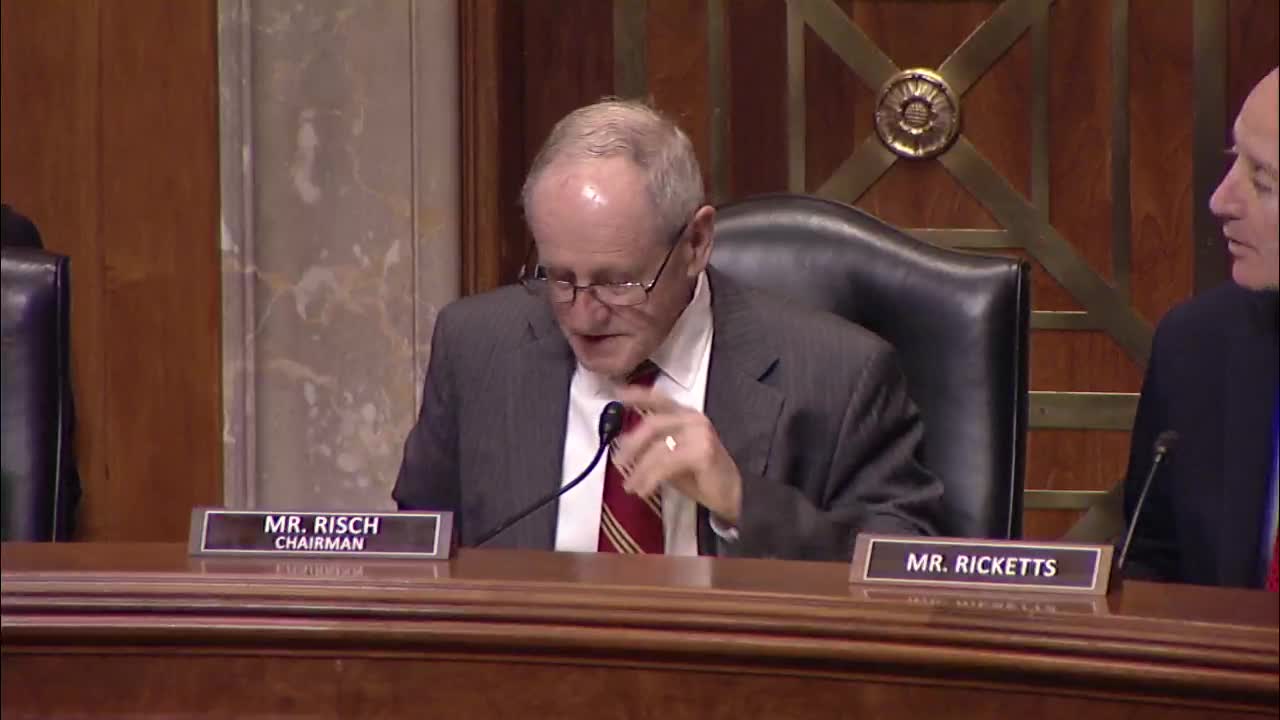
Committee members, including Sen. Pete Ricketts, pressed Burch on the Vatican’s 2018 provisional agreement with the People’s Republic of China and its 2024 renewal. Burch said the agreement centers on bishop appointments and recommended that the Holy See resist government control over church leadership. "I would encourage the Holy See... to resist the idea that a foreign government has any role whatsoever in choosing the leadership of a private religious institution," he said.
Sen. Tim Scott asked how the ambassador could press the Vatican on urgent issues such as Americans held hostage in Gaza; Burch said the Vatican already has engaged on humanitarian concerns and that the Holy See can bring moral pressure and diplomatic tools to help seek a resolution.
Committee members recorded additional concerns about global religious persecution. Burch noted the decline in Christian populations in parts of the Middle East since the 1970s and said he would work with the Holy See to address persecution and displacement.
No committee vote or formal decision on the nomination was recorded during the hearing. The record will remain open until the committee-specified deadline for members to submit additional questions and support letters.
Ending: The hearing continued with two other ambassadorial nominees. The committee said it would accept written questions for the record through close of business April 9, 2025.