Get Full Government Meeting Transcripts, Videos, & Alerts Forever!
Get email alerts on the Water And Sewer Budget topic
No spam. Unsubscribe anytime.
Board of Mayor and Aldermen review water/sewer budget, water‑supply study and PFAS testing
Summary
At an April 8 budget workshop the Board reviewed the water/sewer enterprise fund showing a $3,662,439 revenue-over-expenditures figure, discussed potential rate increases, a proposed water‑supply study and capital needs that could require a bond; staff also described ongoing PFAS sampling and potential future treatment costs.
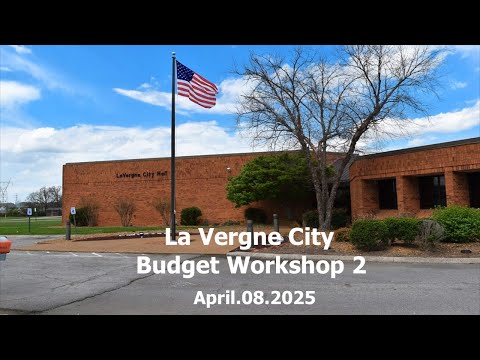
At a Board of Mayor and Aldermen budget workshop on April 8, 2025, city staff reviewed the water and sewer enterprise fund that shows revenue over expenditures of $3,662,439 and detailed capital and operational needs that officials said will likely require borrowing and rate increases.
The presentation laid out projected revenue and expenditures for the next fiscal year and listed near‑term and longer‑term projects for the water and sewer system. Danielle (staff member) said, “revenue over expenditures is $3,662,439.” She also identified meter replacements budgeted at $535,000 and said total expenditures for the fund were $16,544,661.
Why it matters: the utility operates as an enterprise fund, which means rate revenue must support operations, capital and debt service. Officials said a combination of multi‑year projects, contract cost increases from Metro, and new regulatory testing may require larger rate adjustments or a bond to keep the fund solvent.
Staff and engineers summarized rate‑study recommendations and recent decisions that altered the planned increases. Kyle (engineering staff) said the rate study recommended a 15% increase for residential water, 10% for commercial and 10% for industrial for fiscal year 2026; sewer increases were originally smaller but were raised because Metro raised its wholesale rates. Kyle said, “we were supposed to do a 2% residential, 2% commercial and a 1% industrial [for sewer],” and noted that because Metro’s increase was larger than anticipated the city is proposing a roughly 5% sewer increase for residential and commercial to cover the extra wholesale cost.
Water supply and capacity: staff described a multi‑step problem the city faces acquiring reliable additional raw water. Kyle explained the historical allocation issue: the city had expected a larger withdrawal right from the lake, but court and reallocation processes reduced that figure and “they say we really paid for 6.5” million gallons per day. He described the next step as a formal allocation study the Corps requires, which staff estimate could cost about $1 million, followed by whatever capital work is necessary. Kyle summarized the options under consideration: pay for an allocation study and seek a larger Corps allocation, negotiate a permanent or emergency purchase with Metro, or pursue other sources. He said the city has discussed emergency purchase arrangements with Metro and that relying on Smyrna is limited because Smyrna draws from the same basin.
Capital plan and bond discussion: staff presented a single‑sheet project list that groups projects by anticipated timeframe and shows recurring annual capital needs. Kyle said the near‑term projects and carryovers push the water/sewer program toward a funding shortfall and that the city will likely need a bond. He said the projects “start totaling up about roughly 10,000,000 each year” in some years and later summarized the three‑year need as roughly $25,000,000. He said the city will need to determine whether to seek a $10 million, $15 million or $20 million bond and then include bond payments in the fund expenditures.
Sewer system issues and targeted projects: staff identified multiple sewer lines and lift stations in need of repair or replacement because of infiltration, storm‑related flows and failing pipes. Kyle described an older interceptor that sits below the water table and has required past repairs. He said the city will update a sewer system master plan to identify capacity constraints and prioritize interventions and that some large projects (for example, the North Clayton/Cedar Glen interceptor) will require outside contracting because of scale and flow.
Assessment zones and developer participation: staff discussed the Waldron Road/Arbor Ridge area where developer work and assessment financing were previously contemplated. The transcript notes staff are exploring legal mechanisms — including impact fees — and working with the city attorney to determine whether an assessment zone or another financing method is legally viable under current state rules.
PFAS testing and regulatory timeline: Danny (utility staff) summarized federal regulatory attention to PFAS (per‑ and polyfluoroalkyl substances). He described PFAS as “forever chemicals” and said the city is in an interim, precautionary period: the city completed UCMR‑type sampling and “we are in the process of taking more sampling to to find out kind of what our levels actually are in our raw water and our and our finished water.” Danny said regulators have set testing and planning timelines that effectively require utilities to sample over the coming years and develop treatment plans if detections exceed limits; he explained the measurements at issue are in parts per trillion, far smaller than routine disinfection byproduct measurements in parts per billion. He warned that treatment could be costly and that some industry groups are pushing back on the feasibility and cost of compliance.
Smaller capital and staffing requests: the group reviewed carryover capital items and new one‑time requests. Staff said three carryover items total roughly $600,000 (automatic transfer switch replacement at the intake; new coagulant pumps; Walter Road pump station rehab). New capital requests included a sewer line camera truck priced at $320,000, a Ford Transit van at $80,000 and a weir box coating at $25,000; staff also proposed a utilities manager position with a salary package listed at $123,000. Staff emphasized the camera truck would replace an aging 1999 unit and improve in‑house inspection capability.
Other items and near next steps: staff said they are still awaiting a quote for an arc flash study from Wayfield Group and expect that estimate within the next one to two weeks. Staff also noted an ARPA/TDEC reimbursement for SCADA work and described which planned work is grant‑reimbursable. No formal votes or ordinances were taken at the workshop; staff reported that next steps include completing the water supply study procurement, continuing PFAS sampling, obtaining the arc flash quote, further discussions with Metro about emergency or permanent water purchases and preparing bond-sizing options and updated fund figures for the Board’s consideration.
The Board adjourned the workshop after staff concluded the review and said they would return with the requested cost estimates and studies.