Lifetime Citizen Portal Access — AI Briefings, Alerts & Unlimited Follows
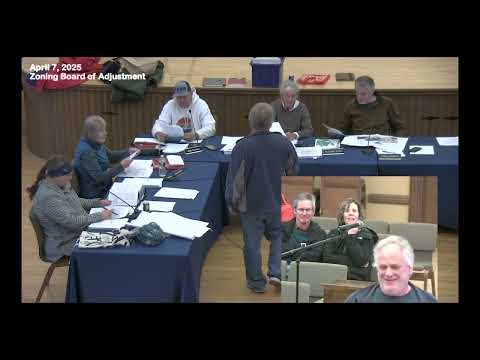
ZBA finds Atwell on Elm site plan vested; will prepare findings of fact
Loading...
Summary
The Zoning Board determined that a 1989 site plan and subsequent work vested the property owner’s right to implement parking shown on the original site plan; the board voted to treat the plan as vested and instructed staff to draft findings of fact.
The Wolfeboro Zoning Board of Adjustment decided that an earlier site-plan approval (dating to the late 1980s) vested the property owner’s right to complete parking shown on that plan, a determination the board reached after hearing attorney and neighbor comments related to Atwell on Elm LLC’s application to install seven parking spaces.
Attorney Chris Swinjarski presented for Atwell on Elm LLC and explained that the current proposal implements parking and site elements shown on a historic site plan prepared when the property was used as a railroad museum. The applicant said the 1989 approvals anticipated the parking in the grass area now proposed for hard-surfaced spaces; the applicant also presented a conservative approach in which it would comply with planning and shoreland procedures even if vesting were not granted.
Board members reviewed the record, including a 1989 certificate of occupancy and planning-board minutes that referenced site-plan review and a later planning-board action. The board debated whether the project reached “substantial completion” for vesting purposes and heard two town planners’ differing interpretations in earlier staff interactions. After public comment from abutters (who raised access, character and traffic concerns), a motion to declare the 1989 site-plan approval vested carried on a roll-call vote. The board directed staff to prepare formal findings of fact that document the basis for the vesting determination; those findings will be the written record that others could appeal under RSA procedures.
Why it matters: A finding of vesting allows the property owner to proceed with work shown on the earlier site plan without seeking new relief for those specific elements, though the owner still must meet certain permitting and recording requirements and be subject to appeal rights.