Get Full Government Meeting Transcripts, Videos, & Alerts Forever!
Get email alerts on the Nutrient Management Tmdl Well Testing topic
No spam. Unsubscribe anytime.
County staff report nutrient‑management work, TMDL focus on Scarborough Creek and well‑testing paperwork
Summary
At its April 8 meeting, Kewaunee County Land & Water Conservation staff said nutrient‑management plans and TMDL work for Scarborough Creek are priorities; groundwater protection spreading limits end April 15; staff is processing well‑testing paperwork with the EPA.
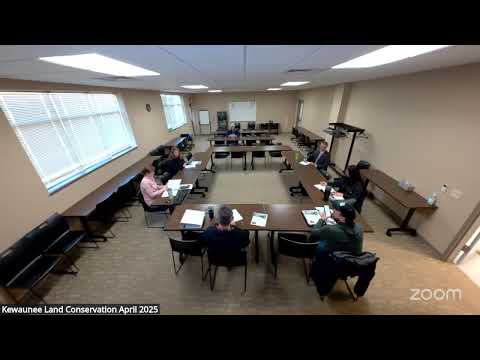
Kewaunee County Land & Water Conservation Department staff reported on nutrient‑management planning, an upcoming TMDL (total maximum daily load) effort for Scarborough Creek and continued work on well‑testing paperwork during the committee’s April 8 meeting.
The discussion centered on fieldwork and plan updates: staff said many nutrient‑management plans are being submitted and cross‑referenced with county GIS records as land parcels change. The committee was told the Department of Natural Resources (DNR) has identified Scarborough Creek as one of the county waterways with higher phosphorus levels and that DNR funding and practices — including cover crops, buffers and waterways — may be allocated to address those areas.
Gina (department staff) said the county’s groundwater protection ordinance restricts spreading through April 15; spreading can resume April 16 subject to the ordinance limits. Staff also described increased activity tied to tax season and farmland preservation paperwork, noting that farmland preservation identification numbers remain the same unless parcels are bought, sold or otherwise changed and that such changes must be reported to the Department of Revenue for eligibility.
Committee members and staff discussed septic and permitting activity. Staff reported three soil inspections, one house number and six permanent septic applications in the recent period and described ongoing field inspections. Paul (field staff) and Sam (staff member) were noted as active in field work.
On wells and drinking‑water testing, Gina said she is working with the U.S. Environmental Protection Agency to submit required paperwork for a well‑testing program; the paperwork had to be resubmitted and approval was pending. She said two or three additional test sites were expected to be added and that she had not received reports of elevated results from a daycare or the village kitchen at the time of the meeting.
Why it matters: nutrient‑management planning and DNR TMDL work determine where county and state funds and technical assistance will be focused to reduce phosphorus loading. Groundwater‑protection timing affects when and where manure or other spreading may legally occur; well‑testing paperwork determines whether local testing programs can proceed.
Meeting actions: the committee recorded two procedural voice votes during the meeting. A motion made by Kim to carry an agenda item (motion text not specified in the transcript) was seconded and approved by voice vote with no recorded opposition. At the end of the meeting the committee approved a motion to adjourn (mover and seconder recorded as Kim; outcome approved by voice vote).