Get Full Government Meeting Transcripts, Videos, & Alerts Forever!
Get email alerts on the Forest Health Bark Beetle topic
No spam. Unsubscribe anytime.
Forest experts describe bark-beetle risks, stand management and firewood handling recommendations
Summary
Forest Service and district foresters described bark-beetle risks in Bonner County, recommended stand diversity and density reduction, and advised prompt processing and placement of infested wood to limit beetle spread
At a Bonner County commissioners meeting, district fuels and forestry staff described insect risks—especially bark beetles—and offered management guidance for landowners and contractors.
"I'm AJ Helgenberg, forester and a silviculturist working in North Idaho for more than 20 years now," said AJ Helgenberg, who spoke about insect trends and what landowners can do. He and other Forest Service staff emphasized that beetle impacts vary by tree species and stand conditions and that management can reduce risk.
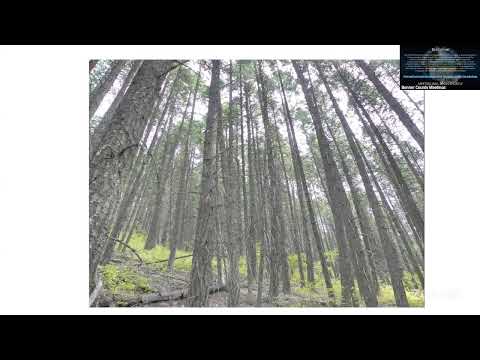
Helgenberg said Idaho’s prominent insect and disease risks include bark beetles and root disease, and that drought stress increases susceptibility. He recommended managing stands for compositional diversity and lower density: "Manage for compositional diversity. So you don't want pure lodgepole standing," he said, adding that wider spacing and a mix of species helps trees maintain defenses.
On slash and processed wood, district fuels staff and Helgenberg advised prompt removal or processing to limit beetle reproduction in cut material. In response to a resident question about firewood, Helgenberg said processing infested trees into logs for a mill is less risky, and advised homeowners keeping firewood on-site to "get it cut out as quick as you can ... 'cause that's where the eggs and the larvae are." He also recommended not stacking infected material next to healthy trees.
The foresters noted biological controls such as woodpeckers consume beetles but cautioned that woodpeckers alone do not prevent outbreaks; active management remains the primary tool.
Speakers encouraged residents to contact district staff if they detect concentrated infestations that may warrant coordinated action. The session closed with staff offering to return for more detailed beetle-focused briefings if requested.