Get Full Government Meeting Transcripts, Videos, & Alerts Forever!
Get email alerts on the K12 Budget topic
No spam. Unsubscribe anytime.
Fall River schools present $197.8 million FY26 operating budget and press state on transportation funding
Summary
Fall River Public Schools presented a proposed FY26 operating budget of $197,837,210 and a $13.1 million transportation budget at an April 8 joint meeting; district leaders cited enrollment growth and the fifth year of the state Student Opportunity Act as major cost drivers while both bodies agreed to press state leaders to reconsider whether in‑district transportation should count toward net school spending.
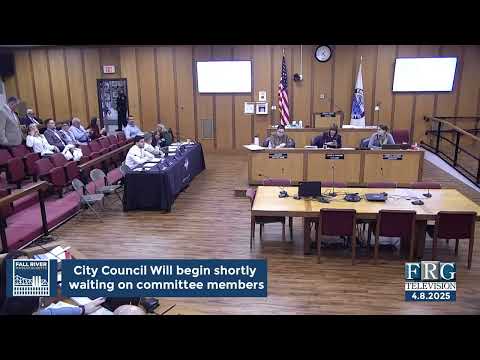
Fall River Public Schools Superintendent Tracy Curley and district financial staff presented a proposed FY26 operating budget of $197,837,210 and a proposed transportation budget of $13,100,000 during a joint meeting with the City Council and the School Committee on April 8.
The presentation opened with Superintendent Tracy Curley describing the budget as an ‘‘extension of our district priorities’’ and saying the FY26 plan grew from a process that began last fall with staff and community input. Curley said the district prioritized investments in staffing, special education and multilingual supports, infrastructure and student supports.
CFO Kevin Almeda walked the joint body through cost drivers and state funding context, noting Fall River is entering year five of six under the Student Opportunity Act and describing the related effects on net school spending and required local contributions. "We are entering year 5 of 6 for the Student Opportunity Act," Almeda said, and showed net school spending climbing from roughly $170 million in 2021 to an estimated $274 million for FY26 under the governor's House 1 figures.
Almeda and COO Ken Pacheco also outlined enrollment and operational changes: the district reported roughly 435 additional students overall, including increases in grades 9–12, and said pre‑K expansion is a major driver of higher transportation costs. Pacheco explained the district runs 30 buses on 44 door‑to‑door routes and is pursuing routing changes (including grouping pickups on north/south corridors and lengthening minimum distances for new riders) to reduce driver hours and the number of buses used.
Officials described capital and one‑time federal investments that have reduced maintenance backlogs. Almeda reported the district fully obligated roughly $61 million received in ESSER allocations for HVAC work, pre‑K expansion, paraprofessionals, technology and enrichment programs, and said district staff have spent recent years balancing those one‑time resources with recurring needs.
The presentation detailed personnel changes in the proposed operating budget (a net increase of about three positions, including seven new teachers and one vice principal, offset by several reductions), and a continuing vacancy issue: Curley said the district had "upwards of 130" funded but unfilled positions, many in special education and multilingual learner programs; she said the district fills many roles with contracted staff while continuing active recruitment.
Nutrition department leaders noted a multi‑million‑dollar surplus in the school food account and outlined plans to spend down that balance on kitchen renovations, a food truck, vehicle replacements and staffing to sustain expanded meal service (the district estimates producing about 13,000–14,000 meals per day when parochial partners are included).
Why it matters: school funding changes tied to the Student Opportunity Act and the state foundation formula can raise local required contributions while also increasing programmatic obligations. Transportation is a recurring tension between the school department and city finances: Fall River’s urban routing, expanded pre‑K and contractual costs have pushed the district’s transportation need above what the city currently budgets.
Outcome and follow up: Council and school committee members used the joint session to seek common strategy. The City Council later made a separate motion to pursue a joint letter and resolution asking the state delegation and the legislature to revisit net school spending eligibility for in‑district transportation; the council and school committee agreed to send a joint letter asking state leaders to consider making in‑district transportation eligible for net school spending. The council also referred the HUD/CDBG five‑year plan and other budget items to committee for the formal FY26 process.
What officials said (selected): Tracy Curley, superintendent, Fall River Public Schools: "Our FY 26 budget began in the late fall with community and staff input via survey, followed by the development, and approval of district wide priorities." Kevin Almeda, chief financial officer, Fall River Public Schools: "We are entering year 5 of 6 for the Student Opportunity Act." Ken Pacheco, chief operating officer, Fall River Public Schools: on routing changes: district staff are attempting to reduce serpentine door‑to‑door pickups by grouping students on corridor nodes to shorten route times and place more students on buses.
Community context and next steps: School and city staff will provide more granular enrollment changes by school at subsequent budget hearings and the city’s finance department will continue budget development with the council’s finance committee. The joint letter to the state will be drafted by school and city leaders and circulated to the council and school committee for final sign‑off before submission to the legislature and the governor’s office.
Ending: The district emphasized the FY26 proposal ties directly to its priorities for staffing, special education and facilities improvements; the formal FY26 budget and council appropriation work will continue through the city’s budget hearings, with the council and school committee planning additional finance committee meetings and follow‑ups.