Get Full Government Meeting Transcripts, Videos, & Alerts Forever!
Get email alerts on the Nomination Social Security Commissioner topic
No spam. Unsubscribe anytime.
Senate Finance Committee delays vote on Frank Bisignano nomination amid whistleblower concerns
Summary
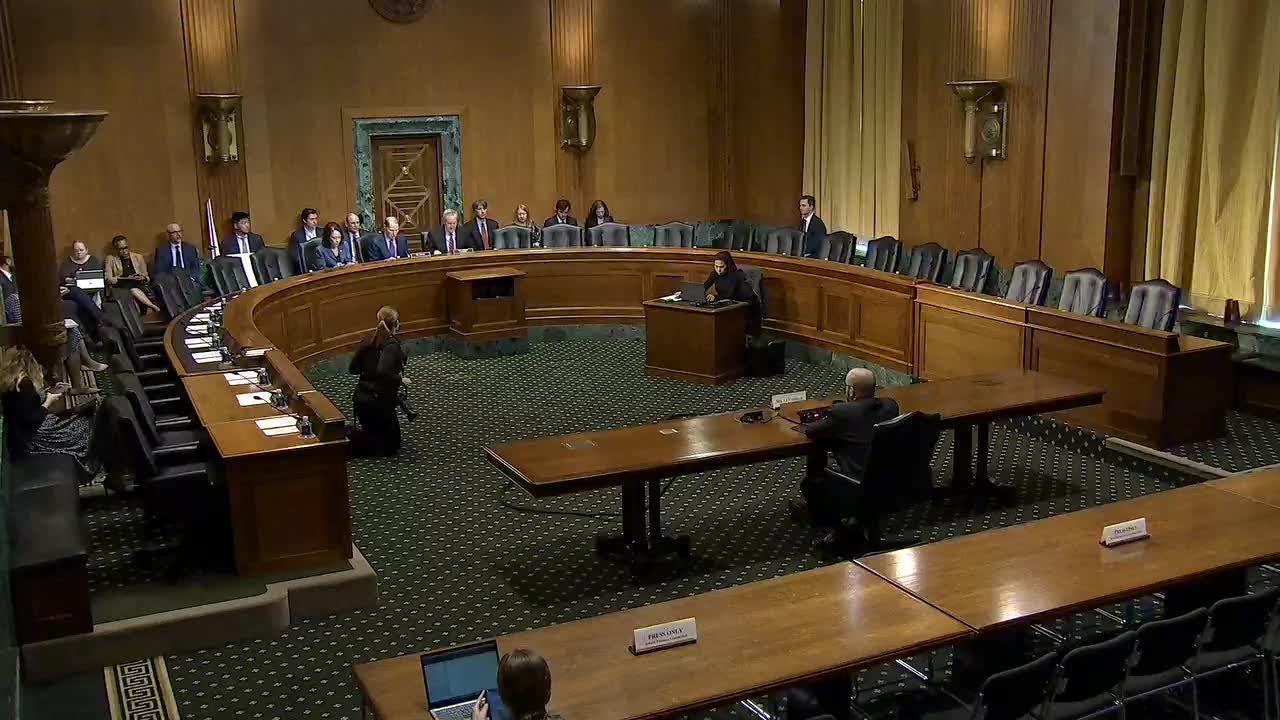
The Senate Finance Committee recessed without holding a committee vote on the nomination of Frank Bisignano to be commissioner of the Social Security Administration after members said an anonymous whistleblower’s allegations need independent review.
The Senate Finance Committee recessed without holding a committee vote on the nomination of Frank Bisignano to be commissioner of the Social Security Administration after members said an anonymous whistleblower’s allegations need independent review.
Frank Bisignano, the nominee and chief executive officer of Fiserv, has more than 30 years of executive leadership in banks and financial institutions, committee members were told. At his confirmation hearing Bisignano described plans to reduce wait times for the SSA’s national 800 number, speed claims decisions and improve payment accuracy, and said he would prioritize allowing people to interact with the agency by phone, online or in person.
Why it matters: Committee members from both parties said the allegations in an anonymous letter and a whistleblower account — which, a senator said, had been independently confirmed by a Washington Post reporter — raise questions about how frequently the nominee communicated with Social Security officials and whether he intervened in personnel decisions. Senators raising objections said those concerns must be addressed before a committee or floor vote so the nominee and the committee can review and test the whistleblower’s claims.
Chairman remarks and committee response
Senator Mike Crapo, chairman of the Senate Finance Committee, opened the session by describing Bisignano’s private-sector background and saying the committee planned to set a time to conduct the committee vote. Crapo said the committee had been willing to meet with the whistleblower while protecting that person’s anonymity and that “if there is information presented, that the information presented needs to be made available to the nominee so that he can respond to the allegations.” He summarized an agreement point-for-point, saying: “1, we're going to protect the whistleblower's identity. 2, we're gonna have an independent process. And 3, it's gonna be done before this nominee is on the floor of the United States Senate.” Crapo added that the timing of a floor vote is controlled by the majority leader.
Allegations and requests for an independent review
Senator Ron Wyden, the committee’s ranking member, said the nominee “lied multiple times to every member of this committee, including the bipartisan finance staff,” and said his office had received a whistleblower account alleging that Bisignano intervened to speed hiring for certain individuals and sought frequent briefings about agency operations. “The whistleblower statement says that's not true,” Wyden said, summarizing the conflict between Bisignano’s statements and the whistleblower’s account. Wyden urged a bipartisan process that would protect the whistleblower’s identity and give the nominee the opportunity to respond before a floor vote.
Senator Maria Cantwell said she shared Wyden’s concerns and described widespread service problems at Social Security offices and by phone, saying constituents were experiencing long waits and administrative errors. Cantwell recalled a constituent, identified as Ned Johnson in her remarks, whose benefit was wrongly declared terminated and whose payments were withheld; she said his case led to “a bureaucratic nightmare” and that his most recent payment remained withheld. Cantwell said Social Security is “no place to slash and burn” and insisted the committee get answers about Bisignano’s past statements and activities.
Senator Raphael Warnock said his office had received “more than 32,000 messages from Georgians about Social Security” and that his office collected more than 500 constituent questions for the nominee. Warnock said he was concerned by public statements attributed to Elon Musk questioning Social Security, and said that perception added urgency to getting answers about the nominee’s ties to a set of actors referenced repeatedly in the hearing as “Doge.” Warnock said he would vote no on the nomination unless the concerns were resolved.
Nominee’s record and testimony in the hearing
Committee members and aides described Bisignano’s stated priorities at the hearing: using information technology to improve agency performance, improving payment accuracy and meeting customers where they prefer to interact with SSA. The chairman noted the nominee had responded in writing to the allegations and that Bisignano stated he did not have a decision-making role at SSA and had only limited introductory contacts with certain agency officials.
Next steps and procedural outcome
After extended remarks, the committee recessed and said members would be notified of a time and place to conduct the committee vote. The committee did not vote on the nomination during the session. Senators on both sides described a shared interest in vetting the whistleblower’s claims on a bipartisan basis before the nominee goes to the full Senate, though they disagreed about whether the record already warranted opposition.
Ending
The Finance Committee’s immediate action was procedural: it recessed and agreed to pursue an independent, identity-protecting review of the whistleblower allegations and to provide the nominee a chance to respond. The timing of a floor vote was not set and, as the chairman noted, will be decided by Senate floor leaders.