Citizen Portal

Office of Water nominee outlines priorities: follow Sackett decision, bolster SRFs and address PFAS

2907375 ยท March 26, 2025

Get AI-powered insights, summaries, and transcripts

Subscribe
AI-Generated Content: All content on this page was generated by AI to highlight key points from the meeting. For complete details and context, we recommend watching the full video. so we can fix them.

Summary

Jessica Kramer, the nominee for EPA Assistant Administrator for the Office of Water, told the Senate committee she will implement the Supreme Court's Sackett decision and pursue durable rules, increased technical assistance and prioritized water infrastructure funding.

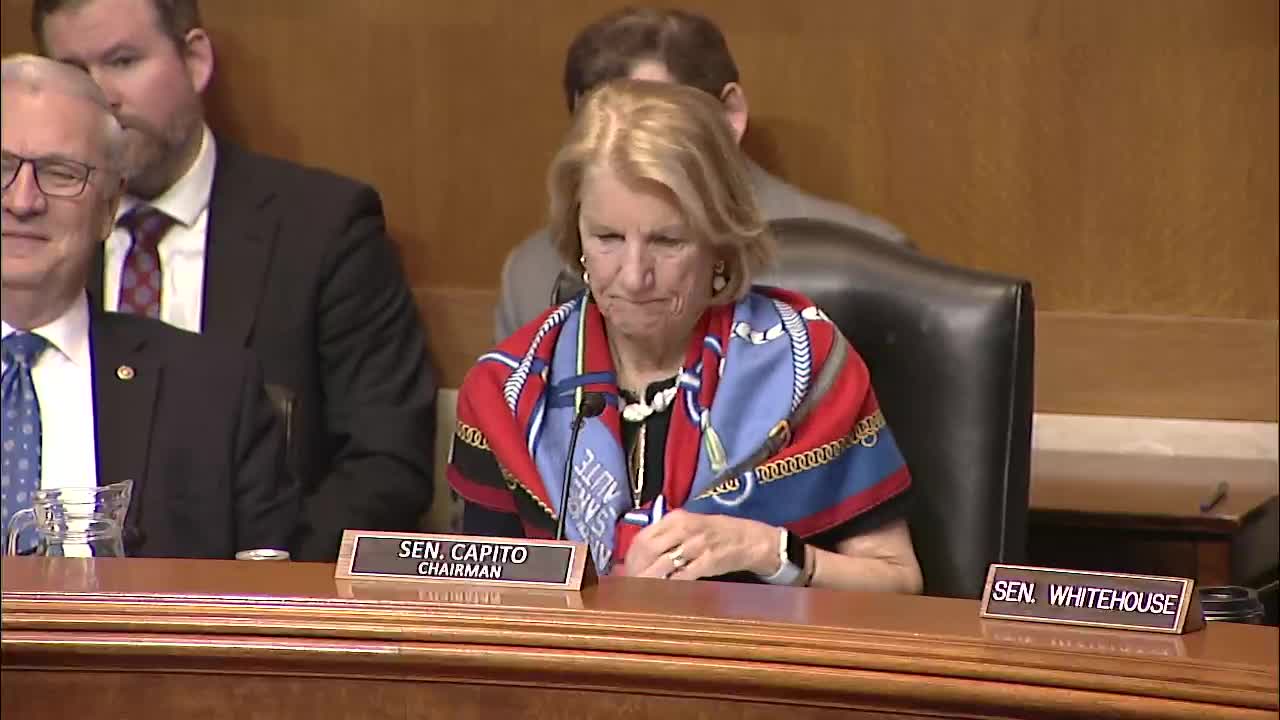
Jessica Kramer, the nominee to be Assistant Administrator for the EPA Office of Water, told the Environment and Public Works Committee she would implement the Supreme Court's Sackett decision in a way that follows the court "to the letter of the law" while using rulemaking and public comment to resolve remaining ambiguities.

Kramer described the agency's guidance approach as directed at wetlands "adjacent to or abutting relatively permanent waters" as clarified by the court and said the agency has opened a federal register docket to solicit public comment on terms including "continuous surface connection" and "relatively permanent waters." She told senators the office would seek durable rules and "to stop the ping pong" of regulatory changes that have created uncertainty for landowners, states and industry.

On funding and implementation, Kramer said programs created or funded by the Infrastructure Investment and Jobs Act and the State Revolving Funds remain priorities. She noted the agency should help replicate state-driven, watershed-based approaches such as the Muddy Creek restoration project and expand technical assistance for small and rural systems. "I would specifically focus on our provision of technical assistance to those small and rural communities," she said.

Kramer and other witnesses addressed PFAS contamination, with Kramer saying incremental progress has been made through recent programs and that EPA will evaluate its tools for addressing PFAS after current authorities expire. On transboundary water issues, Kramer said she had prior involvement with the Tijuana River matters and promised to work with senators and federal partners to accelerate projects when possible.

Committee members from states across the country asked Kramer to visit their regions (North Dakota, Alaska, California, Arizona, Maryland) to see local conditions firsthand and to ensure cooperative federalism in implementation. Kramer agreed to travel and to engage with state and local partners during any rulemaking or program design.