Senators press nominee on BEAD rollout, tech neutrality and state plans for $42 billion broadband program
Get AI-powered insights, summaries, and transcripts
SubscribeSummary
Senators at the Commerce Committee hearing pressed Ariel Roth on the pace and rules for the Broadband Equity, Access, and Deployment (BEAD) program, raising concerns about delays, program requirements, state plans already approved and whether the administration will preserve state flexibility on technology choices.
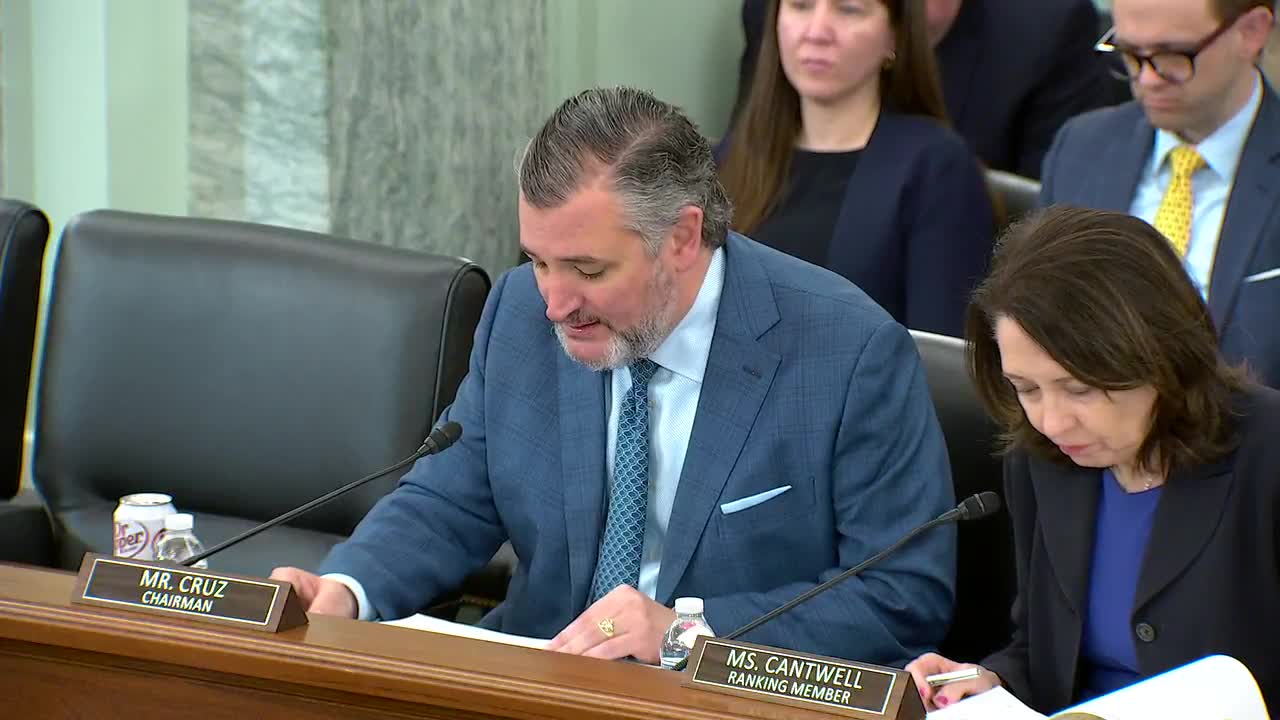
Senators at the Senate Commerce Committee hearing focused extensive questioning on the Broadband Equity, Access, and Deployment program, the $42 billion broadband grant program created by the Infrastructure Investment and Jobs Act.
Chairing the hearing, a senator cited the program's funding figure and criticized past implementation: "Hear that again, dollars 42,000,000,000 to connect 0 human beings," a committee member said, pressing the nominee on whether the administration would remove requirements that some members called extraneous and expedite deployment. In response, Ariel Roth said, "I want the BEAD program to be a success. I want to connect every remaining American who currently lacks access to high speed Internet as expeditiously, efficiently, and effectively as possible." She also said she would "abide by the law."
Several members warned against disrupting state plans already under way. Senator Amy Klobuchar said she did "not want to start from scratch" and asked how Roth would ensure states, including Minnesota, could proceed "as expeditiously as possible." Roth replied that if confirmed her "primary objective would be to get broadband build out to every last American as expeditiously as possible" and she wanted to "solve" delays in getting shovels in the ground.
Senators from states that have submitted or received BEAD awards asked that approved plans be preserved. Senator Maria Cantwell and others noted that some states — she cited Delaware, Nevada and Louisiana — had completed plans and were ready to begin construction. Senator Chris Murphy and Senator Peters (and others) pressed Roth to commit to preserving allocations and to avoid requiring states to restart procurement processes that are already underway. Roth declined to provide definitive commitments before confirmation but repeatedly said she would work with career staff and states to "expedite" deployment.
The hearing included debate over the program's technology-neutral language. Some senators argued the law allows states to prefer fiber in many circumstances and that satellite solutions such as Starlink should not automatically displace fiber where fiber is the longer-term, lower-cost option. Senator Edward Markey argued fiber can save households money over 30 years and urged the nominee to oppose changes that would "give away" BEAD to a single company. Roth repeatedly said she would administer the program "to the benefit of the American people, not any single individual or company," and that Congress had written BEAD to be "tech neutral."
Members also raised Buy America rules, digital equity components of the infrastructure law and workforce and adoption funding that Congress authorized alongside deployment dollars. Senator Tammy Baldwin highlighted Wisconsin's roughly $1.1 billion BEAD allocation and asked Roth to commit to expediting awards and deployment; Roth said she would seek ways to "expedite shovels in the ground." Senator Ed Markey asked that NTIA fulfill legal obligations to distribute funding authorized by Congress for digital literacy and related programs; Roth replied she would "abide by the law."
The committee set deadlines for written questions and responses; no formal votes occurred at the hearing. Senators said they would follow up in writing and expected NTIA leadership, if confirmed, to work with state broadband offices, career staff and Congress to move the program forward.