Get Full Government Meeting Transcripts, Videos, & Alerts Forever!
Get email alerts on the Property Tax Exemptions topic
No spam. Unsubscribe anytime.
Pennington County board approves most nonprofit exemption requests, denies tribal and homeowners‑association claims
Summary
At its April 8 meeting the Pennington County Board of Equalization approved multiple property‑tax exemption applications — including two late nonprofit filings — denied a tribal exemption application that is not held in federal trust, and declined to exempt common areas owned by a homeowners association while approving its community well lot.
The Pennington County Board of Equalization voted April 8 to grant tax‑exemption status to several nonprofit properties — including late applications from Cornerstone Rescue Mission and the Silver City Historical Society — while denying a land‑tax exemption sought by the Rosebud Sioux entity because the parcel is not held in trust.
The actions affect both new applicants and a large batch of previously approved exemptions the board routinely renews. Department of Equalization staff told the board the late filings would otherwise have qualified, and the board approved them to avoid penalizing organizations that have historically met exemption criteria.
Why it matters: property tax exemptions remove parcels from the local tax rolls and reduce the county’s taxable base. Approvals for nonprofits can affect local budgets and preserve nonprofit operations; denials clarify the county’s interpretation of state exemption rules for tribal holdings and for private homeowners‑association common areas.
Shannon, a Department of Equalization staff member, told the board the department schedules exempt‑property reviews on the first day of appeals so denied applicants retain time under state law to request a rehearing. "A property that is requesting an exemption from property taxes is required by statute to make an application that comes to my office on, on or before November 1," Shannon said, and she recommended action on the late applications because the properties otherwise qualified.
Cornerstone Rescue Mission and Silver City Historical Society
Lisa Allison, representing Cornerstone Rescue Mission, acknowledged the group filed late and explained an appeal to city planning and zoning contributed to the delay. Shannon told the board Cornerstone "would otherwise qualify for the exemption" and recommended approval. After public comment and brief discussion the board approved exemptions for Cornerstone Rescue Mission, Silver City Historical Society, Stanton (a community water/well lot) and Rockerville Community Club; a motion to approve the four new applications passed.
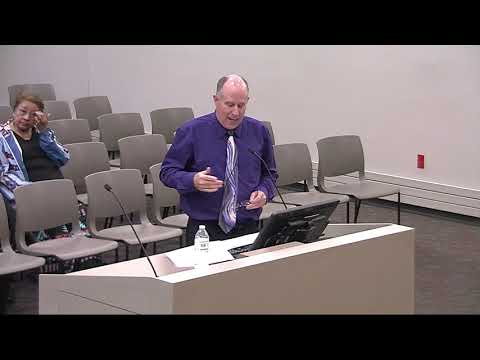
Kathy Druckery, secretary of the Silver City Historical Society, said losing the chapel’s exemption would be a hardship for the small nonprofit: "It will have a huge impact on our budget" — she said the tax bill was about $665 a year — and described ongoing preservation projects, including a proposed move/preservation of a Civilian Conservation Corps building for which the society is seeking roughly $45,000 in work and has secured about $35,000 in grants and private donations.
Rosebud Sioux Tribe application
Shannon told the board she had consulted with counsel and an attorney representing the tribe and that the requested exemption did not meet state statutory criteria because the property is not held in federal trust. "There is nothing in state statute that allows an exemption for a property owned by the tribe. In fact, we have several properties that are owned by tribal entity, unless it's held in trust, it's taxable," Shannon said. The board voted to deny the Rosebud Sioux exemption request; commissioners emphasized staff should contact the applicant to explain the denial and the applicant’s right to return for a hearing.
CU Council (Coo Council) — nonprofit exemption granted
County staff noted the CU Council (also referred to as Coo Council in its application materials) had submitted IRS 501(c)(3) documentation and that the group's day‑to‑day services fit the state statute’s public‑charity definition. Attorney Josie Johnson and Executive Director Natalie Staithemeans explained the organization's safe‑house operation, emergency assistance funds and other community services. Josie Johnson told the board the council "absolutely meets" the statutory definition of a public charity. Following that explanation Shannon said she recommended granting CU Council an exemption; the board approved the request.
Other exemptions and administrative items
The board approved a batch of new exemption requests the department identified as first‑time applicants and separately approved a longer list of properties the board has exempted in prior years (the department said that longer list contains 259 parcels). The board also considered several small subdivision items: it approved exemption for a community water/well lot held by Countryside Homeowners Association but denied exemption for four common‑area parcels that the department said are ordinary homeowners‑association common areas and do not qualify under charitable or public‑purpose exemptions.
What the board directed staff to do
Commissioners asked staff to reach out to denied or late applicants to explain next steps and timelines. The board noted that denials under the statute allow property owners to request a rehearing; staff will contact affected property owners to offer guidance on appeals and any documentation they should bring if they return for a hearing.
The Board of Equalization recessed at the end of the exempt‑property docket and will resume property appeals on additional scheduled hearing days later in the county's appeals calendar.