Citizen Portal

Committee raises drug supply, MHS Genesis and mental‑health access as Mr. Bass testifies on military health priorities

2906921 · March 27, 2025

Get AI-powered insights, summaries, and transcripts

Subscribe
AI-Generated Content: All content on this page was generated by AI to highlight key points from the meeting. For complete details and context, we recommend watching the full video. so we can fix them.

Summary

Keith Bass pledged to prioritize medical readiness, review accession medical policies linked to MHS Genesis, support care for anomalous health incidents and work with senators on domestic drug manufacturing and rural mental‑health access.

Keith Bass, the nominee for Assistant Secretary of Defense for Health Affairs, told the Senate Armed Services Committee that if confirmed his highest priority would be ensuring medical readiness for forces, stabilizing the military health system and improving care delivery.

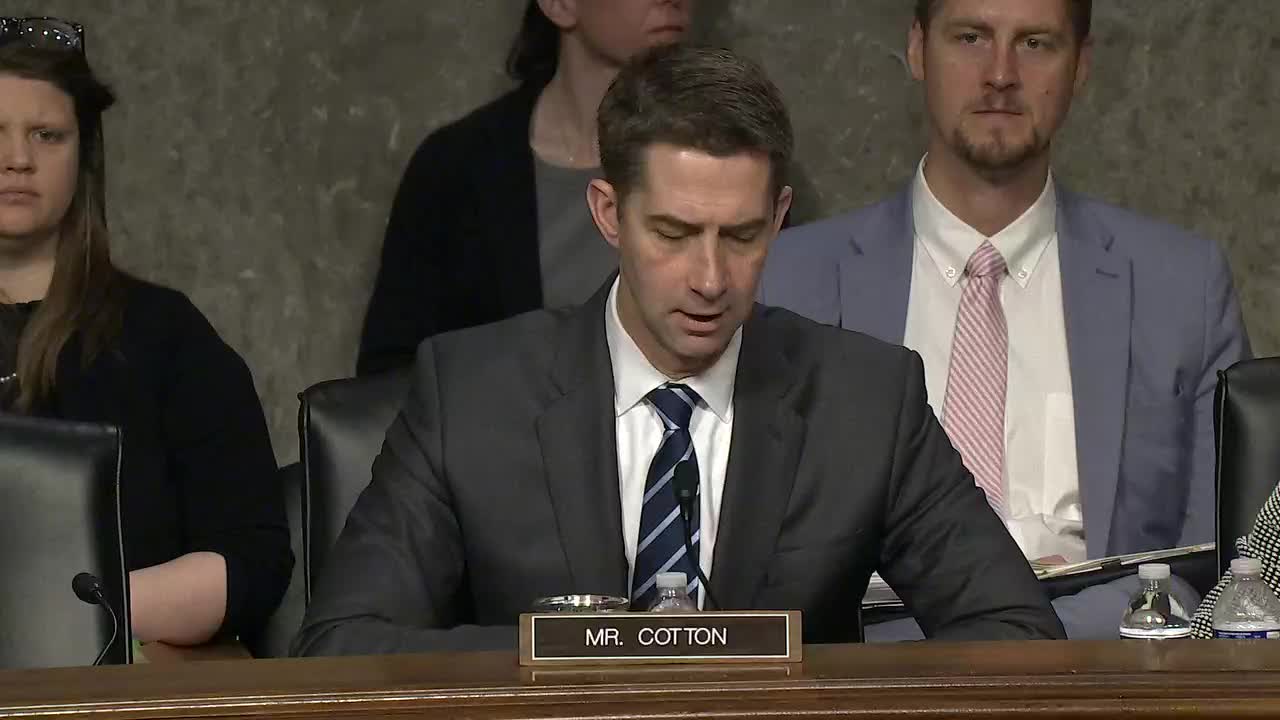
Senators pressed Mr. Bass on specific operational and programmatic medical issues. Senator Cotton raised concerns that MHS Genesis, the Defense Department’s electronic health record, is producing excess medical information that is deterring or delaying recruiting and accession; Bass said he would review accession standards and work with the senator’s office. Senator Warren and others focused on the pharmaceutical supply chain: Bass agreed that reliance on foreign sources for active pharmaceutical ingredients — especially in China — is a vulnerability and committed to explore onshoring or nearshoring options, rapid‑response contracts and partnerships with industry to secure critical medicines. Senators discussed the adenovirus vaccine example, where lapses in production created serious readiness consequences; Bass committed to work with the committee on domestic manufacturing options.

On care for anomalous health incidents (AHIs) — the reports of directed‑energy or other unexplained injuries to personnel overseas — Senator Shaheen asked whether the Defense Health Agency would continue to play a role in care and Bass responded 100 percent in the affirmative and said affected individuals should receive care regardless of current attribution. Senator Kramer and others urged improvements in rural mental‑health access and accelerating implementation of provisions passed in the NDAA to ease TRICARE accreditation barriers; Bass committed to work with lawmakers to prioritize mental‑health access and to the committee’s reviews.

Bass acknowledged the challenge of recruiting and retaining military health‑care professionals and said he would examine hiring authorities, pay and training pipelines to improve retention. He also pledged to work to meet access standards and to use technology, including appropriate AI tools, to increase care efficiency.