Lifetime Citizen Portal Access — AI Briefings, Alerts & Unlimited Follows
Space Command Warns of Growing Counterspace Threats; Golden Dome, Sensors and Spectrum Access Urged
Loading...
Summary
US Space Command warned the Senate subcommittee that China and Russia are fielding counterspace capabilities that threaten U.S. space assets, and that a layered homeland missile‑defense architecture ('Golden Dome') and stable spectrum access are essential to operations.
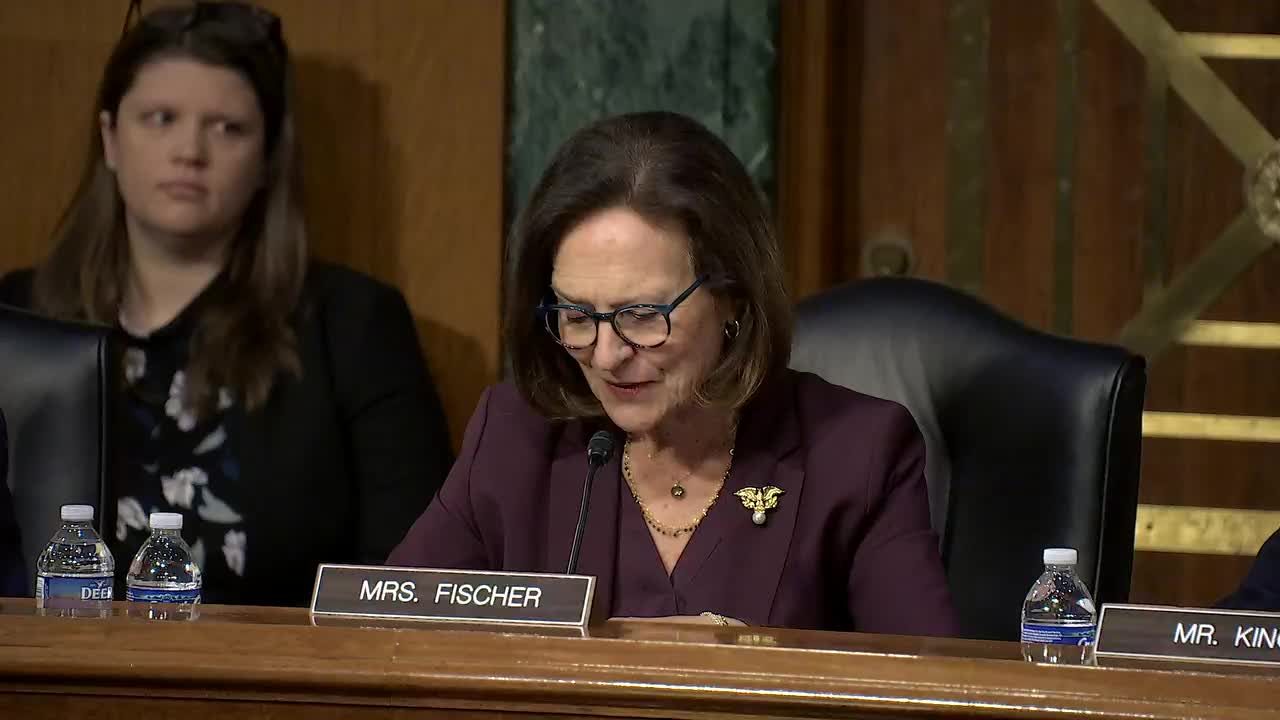
General John W. Whiting (testimony identified as General Whiting in the hearing), commander of U.S. Space Command, told the Strategic Forces Subcommittee that "to secure peace, we must be well prepared for conflict in space," and described rapid growth of counterspace threats from China and Russia.
Why it matters: senators and witnesses stressed that space‑based sensors, resilient architectures, allied cooperation and uninterrupted access to critical electromagnetic spectrum are prerequisites for missile detection, tracking and command‑and‑control. Committee members linked those requirements directly to the presidential directive to develop a Golden Dome homeland missile‑defense architecture.
Threats and posture: Whiting said China is fielding "maneuverable satellites that could target our satellites" and that Russia has pursued "reported" on‑orbit nuclear anti‑satellite capabilities; both developments, he said, make space a "highly contested strategic environment." Whiting described USSPACECOM efforts to integrate commercial partners and allies — noting a commercial integration cell with 17 commercial mission partners and expansion of Operation Olympic Defender to seven nations.
Spectrum access: Both commanders warned that lower‑band spectrum (roughly the lower 3 GHz region) and the 7–8 GHz band are vital for radar detection, missile tracking and SATCOM. Whiting told senators "we could not execute Golden Dome without full access to those 2 spectrums" and emphasized the department has studied dynamic spectrum‑sharing conditions but would need verification and testing before vacating any DoD spectrum.
Golden Dome, sensors and HPTSS: Senators asked about the Golden Dome and the Hypersonic and Ballistic Tracking Space Sensor (HPTSS). Whiting said the Department of Defense is still defining architecture and that HPTSS and other space‑based tracking sensors are critical for maintaining custody of missiles through boost and coast phases. He endorsed accelerating HPTSS development to address modern hypersonic and maneuvering threats.
Commercial reliance and partnerships: Whiting and other senators discussed the benefits and limits of commercial space integration. Whiting called the U.S. commercial sector a "massive advantage," but also said certain national‑security missions (for example, assured nuclear command and control SATCOM) require purpose‑built government capabilities and careful balance.
Infrastructure and allied cooperation: Senators raised Kwajalein Atoll's importance for sensors and training; Whiting said USSPACECOM is defining support requirements and has advocated with the Army for investment. The witness highlighted partnerships (Operation Olympic Defender, Artemis Accords as civil exploratory agreements) and said allied cooperation strengthens crisis information‑sharing.
Ending: Senators pressed for continued congressional support for space sensors, resilient architectures, spectrum protections and allied cooperation; the subcommittee moved to a closed session for classified follow‑up.