Get Full Government Meeting Transcripts, Videos, & Alerts Forever!
Get email alerts on the Human Oversight topic
No spam. Unsubscribe anytime.
Senators, industry debate human-in/on/over-the-loop roles as AI is fielded for defense
Summary
Senators pressed industry witnesses on where humans should remain in decision-making as AI is applied to offensive and defensive military systems; witnesses emphasized use-case-specific safeguards, benchmarking and human-AI teaming.
Senators and industry witnesses spent substantial time discussing human oversight as AI moves into operational defense roles. The colloquy covered "humans in the loop," "humans on the loop," and the controversial notion of "humans over the loop," using loitering munitions and shipboard defensive systems as illustrative examples.
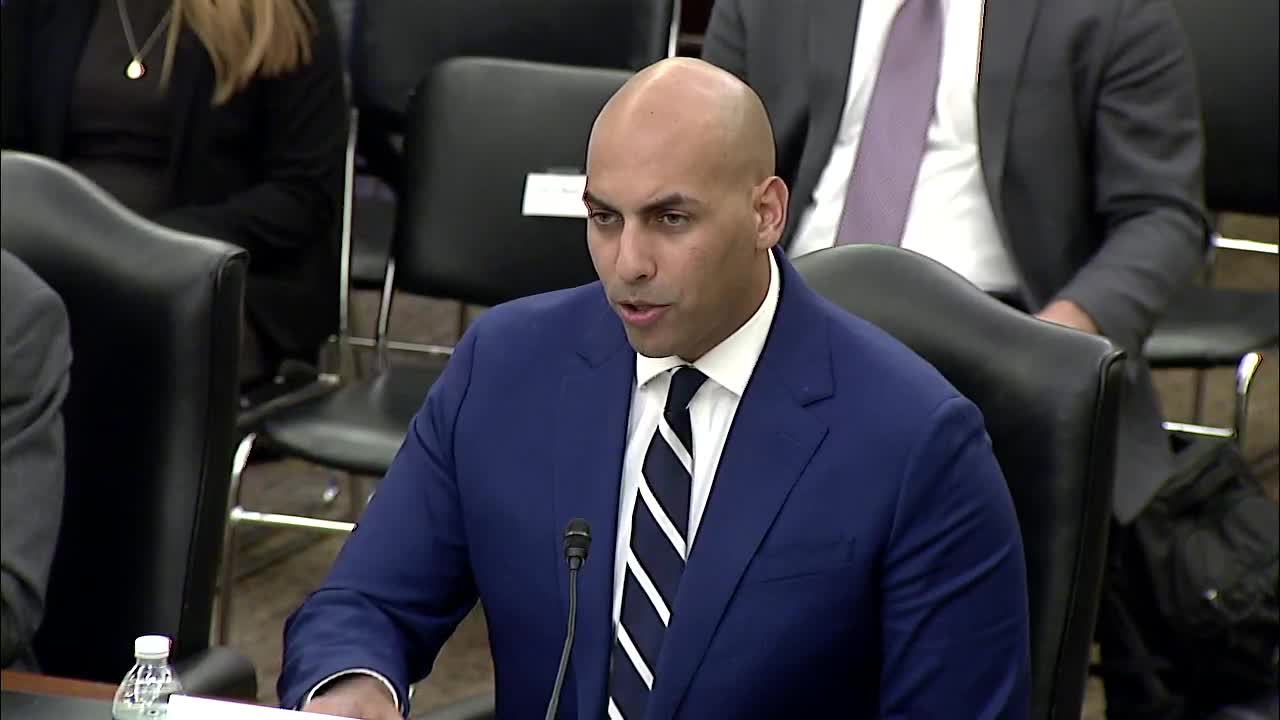
Dan Tadros of Scale AI described agentic warfare as an effort to move from "humans in the loop to humans on the loop," where AI performs low-level staff work with human oversight. He emphasized retaining "human oversight of the entire process to ensure that human context, judgment, and ... advantage" remain part of decisions.
David Farris of Cohere said models should be "right sized for their specific mission" and that human-AI interface design and customized benchmarks are critical to determine where a human must remain in the control loop. Jim Meiter (RAND) warned that increased dependence on AI could create new vulnerabilities and said safeguards such as cutoffs or "kill switches" should be considered.
Senators used combat examples. Chairman Rounds cited loitering munitions used in the Nagorno-Karabakh conflict and asked whether autonomous selection and engagement without human intervention is the kind of outcome AI could enable. Witnesses agreed that speed and context determine whether human oversight is feasible and that certain defensive systems may require pre-authorized automated responses under carefully defined triggers.
Why it matters: The debate touches the Department of Defense's legal and ethical responsibilities, operational risk, and how DoD will certify and test AI-enabled weapon systems. Witnesses urged tailored evaluation, test-and-evaluation regimes, and retraining infrastructures to ensure models remain reliable as operational conditions change.
Ending: All witnesses said the question of where to place humans in the loop depends on the use case and the acceptable tradeoff between speed and oversight; they urged experiment-driven development and explicit safeguards.