Lifetime Citizen Portal Access — AI Briefings, Alerts & Unlimited Follows
Senate Armed Services Committee holds confirmation hearing for four senior defense nominees
Loading...
Summary
The Senate Armed Services Committee on Oct. 12 convened to consider President Trump’s nominees to lead Air Force, acquisition, research and military health offices; members pressed nominees on nuclear modernization, acquisition speed, industrial base health, and medical readiness.
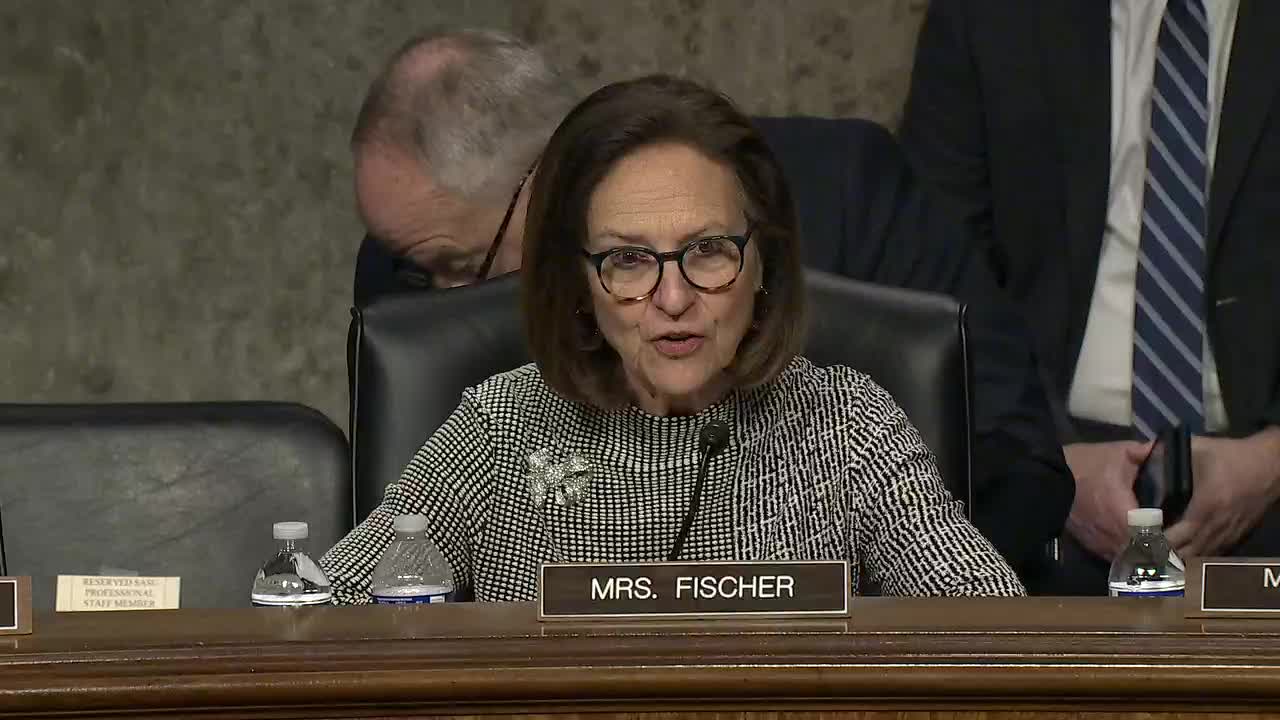
The Senate Armed Services Committee on Oct. 12 convened a confirmation hearing for four senior Pentagon nominees: Dr. Troy Mink, nominated for Secretary of the Air Force; Michael Duffy, nominated for Undersecretary of Defense for Acquisition and Sustainment (USD(A&S)); Emil Michael, nominated for Undersecretary of Defense for Research and Engineering (USD(R&E)); and Keith Bass, nominated for Assistant Secretary of Defense for Health Affairs (ASD(HA)). The panel, chaired temporarily by Senator Fischer until Chairman Wicker joined, questioned nominees on nuclear modernization, space and launch infrastructure, acquisition reform, the defense industrial base, medical readiness and staffing, and data-security concerns.
The hearing opened with brief introductions and family acknowledgements for each nominee. Senator Reed (ranking member) and several committee members outlined the principal stakes for the services if the nominees are confirmed: accelerating delivery of new capabilities, protecting intellectual property and supply chains, and stabilizing medical readiness and the military health system. Each nominee described his qualifications and emphasized priorities if confirmed: Mink discussed deterring near-peer competition and modernizing air and space forces; Duffy emphasized speeding acquisition, strengthening the industrial base and increasing competition; Michael focused on accelerating technology transition from research to fielded capability; and Bass stressed medical readiness and improving military health-care delivery.
Committee questioning highlighted several repeat themes. Senators pressed nominees about nuclear modernization — including the Sentinel ground‑based ICBM program and the B‑21 bomber — and whether the Department will accelerate emplacement and resource planning. Space and launch infrastructure drew attention: Senators asked how to preserve competitive commercial launch access as ultra‑heavy rockets increase standoff requirements at Cape Canaveral and other ranges. Acquisition reform and industrial-base health were frequent topics: members cited the FORGED Act and ways to remove barriers to entry for nontraditional suppliers, increase competition, and speed delivery through tools already in statute such as other transaction authorities and middle‑tier acquisition. The technology panel emphasized the need to protect U.S. intellectual property from theft and to leverage university and private‑sector innovation.
Senators also pressed operational readiness and force structure issues: fighter recapitalization and pilot shortages, tanker recapitalization and placement of KC‑46s, bed‑down needs for C‑130J aircraft at specific Air National Guard units, and the Next Generation Air Dominance (NGAD) program and its implications for fighter fleet size. On medical matters, questions for Mr. Bass covered MHS Genesis effects on recruiting and accession, domestic manufacturing of essential drugs (the adenovirus vaccine was discussed), mental‑health access in rural areas and the Defense Health Agency’s role in treating anomalous health incidents (AHIs).
Two procedural and oversight issues surfaced repeatedly: the security of unofficial messaging (a recent Signal chat report was entered into the hearing record by unanimous consent) and the need for prompt, cooperative document production when committee requests are made. Nominees uniformly pledged to cooperate with congressional oversight and to appear before committees when requested.
The committee concluded after roughly five‑minute rounds of questioning from senators on both parties. Members were given two business days to submit additional questions for the record.