Citizen Portal

Senators and witnesses warn USDA program cancellations and SNAP cuts could strain schools and local farms

2906858 · April 1, 2025

Get AI-powered insights, summaries, and transcripts

Subscribe
AI-Generated Content: All content on this page was generated by AI to highlight key points from the meeting. For complete details and context, we recommend watching the full video. so we can fix them.

Summary

Multiple senators used the hearing to raise administration cuts to USDA local‑food, farm‑to‑school and emergency food programs and proposed SNAP changes, saying those actions would undermine school meal access and local markets. USDA nutrition staff said they could not answer program cancellation questions at the hearing and would follow up.

Senators at a Senate Agriculture Committee hearing on the Whole Milk for Healthy Kids Act (S.222) also spent substantial time questioning witnesses about recent USDA changes to local food and anti‑hunger grants and the possible effects of proposed SNAP cuts.

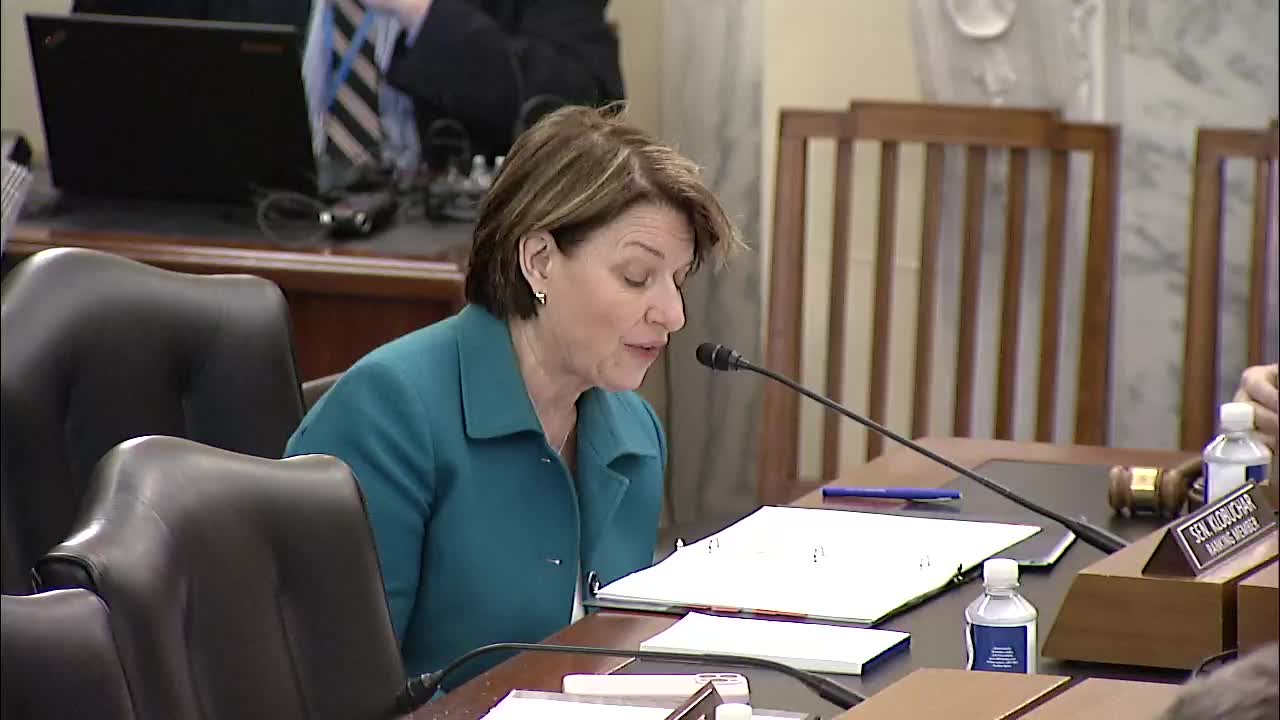
Several members, including Sen. Amy Klobuchar and Sen. Ben Ray Luján, said USDA had canceled or suspended programs that supported local purchasing and emergency food providers. Klobuchar told the panel that "USDA's canceling the local foods purchase assistance are contrary to that advice" to promote fruits and vegetables, and said program cancellations would "exacerbate food insecurity." Senator Luján said USDA notified applicants on March 24 that the Patrick Leahy Farm to School grant competition was canceled and later asserted that the department suspended Emergency Food Assistance Program funds destined for food banks in March 2025.

Dr. Eve Studi, the USDA nutrition official testifying on dietary guidance, repeatedly said her role was to speak to the science behind the Dietary Guidelines for Americans and that she did not have immediate answers on administrative decisions or grant cancellations. Studi told senators several times she would "bring that back to the department" and provide follow‑up responses.

Local and state school nutrition leaders described the practical effects of cuts and rising costs on schools' ability to serve high‑quality meals. Lynette Dodson, deputy superintendent of school nutrition for the Georgia Department of Education, said federal grants and commodity purchases have expanded local procurement in Georgia and warned that changes to Community Eligibility Provision (CEP) thresholds or SNAP eligibility could remove free meal access for hundreds of thousands of children. "Currently, we have 1,296 schools out of our 2,300 that operate the community eligibility provision in Georgia," Dodson said; she estimated the proposed change could cause roughly 350 schools to lose CEP status and potentially put about half a million children at risk of losing free meal access if SNAP changes occur.

Dan Gorman, a Michigan school food director who testified, called CEP "smart government" and said the provision had driven increases in breakfast and lunch participation in his districts. He warned that proposed increases to documentation and verification requirements would create large administrative burdens for schools.

Senators also warned that combining program cuts, cancelled grants and tariffs affecting farm incomes would strain both local food suppliers and school districts' ability to buy fresh produce. Several senators said they would press for follow‑up answers from USDA about specific cancellations and funding suspensions.

The USDA witness on dietary guidance declined to confirm administrative decisions during the hearing and committed to providing written follow‑up. Committee staff left the hearing record open for five business days to accept additional information and written answers from agencies and witnesses.