Get Full Government Meeting Transcripts, Videos, & Alerts Forever!
Get email alerts on the Facilities Maintenance topic
No spam. Unsubscribe anytime.
Facilities and technology director outlines extensive maintenance projects, work-order backlog and equipment replacements
Summary
Director of facilities and technology presented a summary of completed and planned capital and maintenance work, noted a high volume of work orders, and discussed longer‑term needs including a Davis Middle School electrical upgrade, EHS boiler, roof and auditorium lighting projects, and recurring pool and field maintenance.
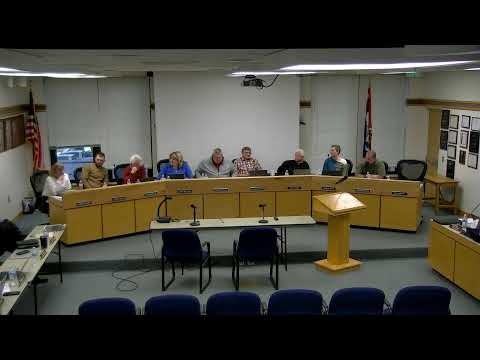
Jaren (Jared) Dennis, director of facilities and technology for Uinta County School District #1, briefed the board on maintenance accomplishments, current projects and longer‑term facility needs.
Dennis told trustees the facilities and custodial teams maintain nearly 1 million square feet nightly and processed more than 9,000 work orders in the last year; roughly half of work orders were marked completed while 20% were completed after the expected timeframe. He listed recent summer projects (LED gym lights, gym-floor and hallway renovations at North Elementary, waterline work done with the city, partial stucco at the high school) and noted the Aspen controls upgrade and ongoing efforts to replace PE lockers and complete other roofing, ductwork and lighting projects.
Dennis said a state component funding grant will support a large electrical upgrade at Davis Middle School (the district sought $2–3 million in component funds) and that the project could include auditorium and fire-alarm system work; the district was awaiting state review on some items. He identified the high‑school boiler as a high‑priority replacement and said several projects likely fall into the 2026–2028 timeframe.
On the technology side, Dennis said cybersecurity remains a recurring cost pressure. He reported the district follows a three‑year device replacement cycle for Chromebooks (one third replaced annually) and estimated roughly $270,000–$300,000 in annual Chromebook replacement costs in the 2025–26 budget. Dennis also reviewed transportation/parking work, noting a recent asphalt bid to fully remove and replace Red Devil Drive and the south parking lot came in at almost $480,000; he said some surfaces must be removed and rebuilt rather than milled.
Board members asked about pool life expectancy and field maintenance. Dennis estimated the pools have about 10 years of service remaining with preventative maintenance; he said pumps, boilers and filtration are typical cost drivers. Trustees and staff discussed the Aspen fields irrigation and responsibility with the Parks & Recreation department; Dennis said district leadership would press Parks & Rec to resolve recurring irrigation and parts delays.
Public comment during the meeting addressed the district’s two domes (indoor air-supported facilities). Dennis and board members defended the domes as a lower-cost alternative to a hard‑structure field house, noting the district used one‑time funds and internal financing rather than a general‑obligation bond. They described heavy community and student use (early morning to late evening, multiple sports and activities) and said the concrete floor will remain long-term even if the covering is replaced in the future.
Dennis closed by asking the board for direction on prioritizing projects and said the district continues to monitor maintenance, component-level funding opportunities and cybersecurity needs.