Get Full Government Meeting Transcripts, Videos, & Alerts Forever!
Get email alerts on the Worker Rights topic
No spam. Unsubscribe anytime.
Board hears pushback on ranked‑choice voting but refers fast‑food workers training to staff
Summary
Public commenters urged the board to reject ranked‑choice voting, while the board approved a referral directing county counsel and the Office of Labor Standards Enforcement to design an annual “Know Your Rights” training for fast‑food workers and report back in August.
Public comment dominated the board’s morning session April 8, with multiple speakers urging the Board of Supervisors to reject ranked‑choice voting in Santa Clara County and others urging action to protect fast food workers.
Several speakers cited reported problems with ranked‑choice contests in other jurisdictions and called for more study. Commenters referenced higher ballot‑error rates observed in some RCV implementations and argued the system could disadvantage seniors and less‑resourced voters.
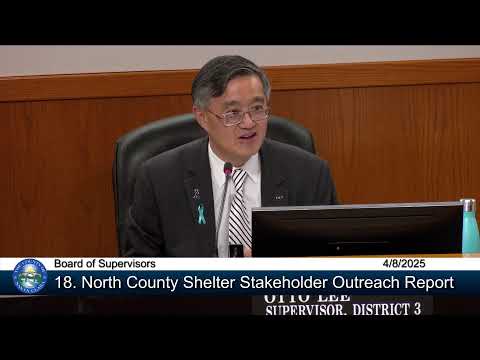
The board acted on a separate referral from Supervisor Otto Lee and Supervisor Young to direct county counsel and the Office of Labor Standards Enforcement to develop a voluntary, employer‑sponsored, full‑day “Know Your Rights” training for fast‑food employees. The referral asks staff to return in August with a proposed curriculum and options for implementation and to include cost and delivery models; the board also asked staff to organize a public hearing with locally‑owned businesses no later than July 30 to gather implementation feedback.
Supervisor Young said research shows fast‑food workers often lack basic information about wages and leave rights, and cited a report indicating a large share of workers do not know their workplace rights. Supporters in the audience included labor unions and community groups; small business owners spoke against new mandatory requirements and requested flexibility for small, family‑owned franchises. The final motion retained the program’s voluntary opt‑in structure and included direction to explore incentives for employer participation and draft measurable success metrics.
The board approved the referral on a 5‑0 roll call. The item directs staff to craft a top‑tier curriculum that includes in‑person options, multi‑lingual materials and options for ongoing follow‑up; staff will return with more detail on costs and delivery options and suggestions for metrics and pilot modalities.