Get Full Government Meeting Transcripts, Videos, & Alerts Forever!
Get email alerts on the Foreign Aid Assistance topic
No spam. Unsubscribe anytime.
State Department: Most USAID-World Food Programme partnerships continue though some awards cut after review
Summary
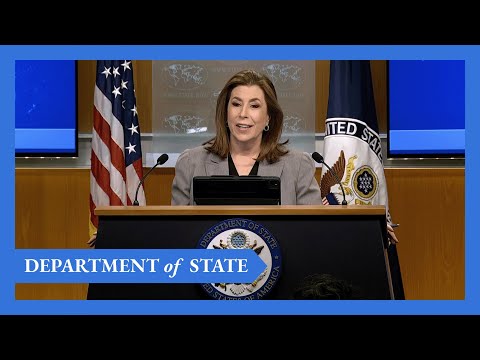
A State Department spokesperson said 85% of prior USAID engagements with the World Food Programme remain active and that a targeted review led to termination of some awards, citing concerns about diversion in Yemen and Afghanistan and cash-based assistance.
A State Department spokesperson said the U.S. has sustained the vast majority of its relationships with the World Food Programme (WFP) while terminating a limited number of awards following a rapid review of overseas assistance.
The spokesperson said 85% of previously existing USAID programs with WFP worldwide remain active. The department described the changes as the result of an interagency review intended to prevent U.S. funding from being diverted to groups such as the Houthis and the Taliban and to improve accountability for American taxpayers.
“The largest group of World Food Programme awards terminated were in Yemen and Afghanistan through an executive order that was issued based on concern that the funding was benefiting terrorist groups including the Houthis and the Taliban,” the spokesperson said. The spokesperson added that some awards were ended because they provided cash-based assistance, which the administration is moving away from over accountability concerns.
Officials said a small number of program terminations were unintended and have since been rolled back. The spokesperson said USAID teams and humanitarian partners remain on the ground; the department described the process as a regular audit after a period with limited oversight.
The spokesperson referenced a SIGAR finding alleging at least $11,000,000 was siphoned and enriching the Taliban in past assistance flows to Afghanistan; that report was cited to explain reasons for suspensions and terminations.
Clarifying details announced by the spokesperson included that the review was expected to take 90 days but proceeded more quickly, that waivers had been issued in some cases and later rescinded for particular awards, and that the department intends to provide more comprehensive information about the review and decisionmaking process. The spokesperson did not provide a complete list of countries affected and said the department would follow up with more details.
The statement drew follow-up questions about whether lifesaving aid would continue; the spokesperson said the U.S. commitment to foreign assistance remains but may “look different” and that most lifesaving programs continue under waivers or review.
The department said this is an ongoing process and that future funding decisions will depend on whether partners meet U.S. criteria for accountability and effective delivery of assistance.