Get Full Government Meeting Transcripts, Videos, & Alerts Forever!
Get email alerts on the Higher Education topic
No spam. Unsubscribe anytime.
Board of Regents, higher‑education leaders press for deferred maintenance, workforce scholarships and capacity funding
Summary
Board of Regents and system leaders told the Senate Finance Committee they need recurring investments in deferred maintenance, workforce scholarships such as MJ Foster, and campus safety, and flagged federal grant uncertainty that could affect research and operations.
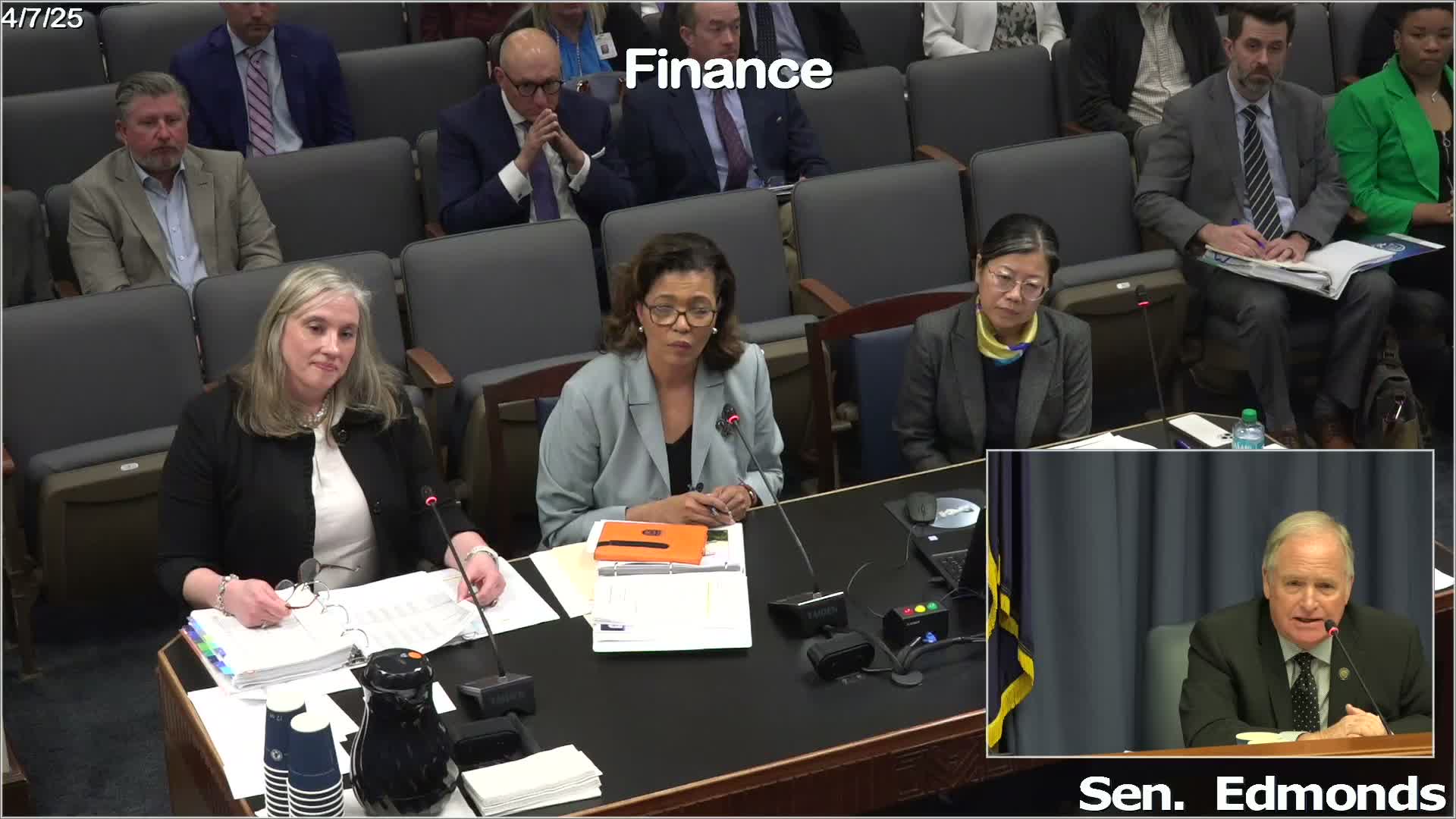
Kim Hunter‑Reid, commissioner of higher education, and system presidents briefed the Senate Finance Committee on FY26 higher‑education priorities and funding pressures on April 7.
Commissioner Kim Hunter‑Reid emphasized a strategic goal adopted by the Board of Regents: raising postsecondary credential attainment to 60 percent of the working‑age population by 2030. She said Louisiana’s current attainment rate is about 51 percent and that the state must both "grow our own" talent and retain graduates. "We are graduating students in high‑demand fields, but we're not graduating enough of them," Reid told senators.
The Board of Regents and campus presidents described several recurring requests behind the FY26 package: expanded deferred‑maintenance funding (commissioners thanked lawmakers for prior support and requested an additional request in HB1), sustained and increased state scholarships and need‑based aid (GoGrant and MJ Foster adult‑aid expansions), campus safety investments (NCBRT campus safety assessments completed with federal/state grants, and additional funding requested to address findings) and continued support for workforce programs tied to mega‑project hiring.
On workforce scholarships, Commissioner Reid said the MJ Foster adult‑learner program exhausted its initial funding rapidly and that the Regents request would expand support to reach more adult learners seeking short‑term industry credentials. "We blew through the dollars in about four months," she said, adding that early reporting shows average earnings outcomes for participants improved after program completion.
System leaders flagged federal grant uncertainty that could affect research funding and budget projections. LSU President William Tate described research growth and noted the Pennington Biomedical Research Center’s reliance on federal grants. Tate and other presidents asked the committee to consider the downstream economic and health outcomes of research funding, and to be mindful of potential federal interruptions for NIH, NSF and other grant streams.
Monty Sullivan, chancellor of the community and technical college system, highlighted the two‑year system’s workforce role and production: the system was on track to graduate more than 35,000 credentials by June 30, driven by outcomes‑based investments in healthcare and other workforce areas. Sullivan said outcomes funding — which pays when colleges produce additional workers in targeted sectors — allowed rapid increases in credential production and recommended continued investment in outcomes‑based workforce money.
Committee members asked for more detailed cost and program estimates; no formal appropriation votes were taken at the hearing.