Get Full Government Meeting Transcripts, Videos, & Alerts Forever!
Get email alerts on the Personnel Policy topic
No spam. Unsubscribe anytime.
Commissioners order rewrite of county cellphone reimbursement and clarify overtime rules after extended discussion
Summary
After an extended discussion, Decatur County commissioners directed staff to rewrite the county’s cellphone reimbursement policy to clarify eligibility and single-person limits and asked human resources to draft clarified overtime rules focusing on on-call, court and emergency callouts.
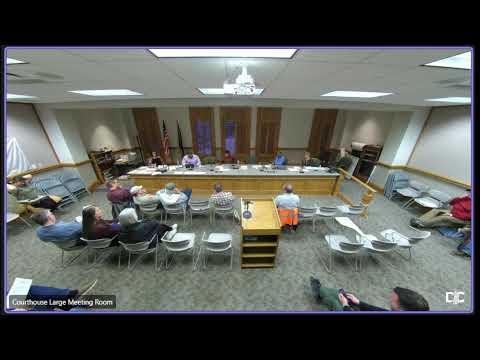
Decatur County commissioners discussed county cellphone reimbursement and overtime rules at length on April 7, directing staff to revise the cellphone handbook language and asking human resources to prepare clearer overtime policy language for a future meeting.
Lede: The board moved a cellphone-policy item up the agenda at the sheriff’s request and spent substantial time examining how reimbursements are applied, who is eligible and whether one person can receive both a line subsidy and a data subsidy. Commissioners and department leaders agreed the county handbook lacks clarity and directed staff to draft amendments that (1) explicitly limit an employee to one reimbursement per person, (2) define eligible positions (for example on-call supervisors, highway supervisors, probation officers who must respond off-hours), and (3) set a single monthly reimbursement rate rather than separate call and data subsidies.
Nut graf: The discussion focused on practical eligibility—whether employees who serve in multiple county roles could receive multiple reimbursements, how departmental radios or issued phones affect eligibility, and whether department heads should have discretion to nominate employees for reimbursement. Commissioners asked staff to compile an eligibility list and to email affected department heads for justification before the next meeting.
Body details: - Current practice: Commissioners noted the handbook currently references a $35 monthly call subsidy and a $45 monthly data subsidy but does not clearly state whether an employee is limited to one reimbursement if they hold multiple county roles. Staff reported claims show monthly reimbursements in multiple departments for some employees. - Direction: The board directed a rewrite to a single reimbursement rate (staff discussed a single fee rather than paying full line cost) and asked for a list of eligible positions (on-call supervisors, highway supervisors, detention deputies, probation on-call staff and others where the cell phone is the primary means of contact) and an email/confirmation process with department heads. - Overtime policy discussion: Commissioners and department heads discussed FLSA basics, the difference between physical hours worked and paid time off, and how emergency callouts (court, training, weather-related calls) should be treated. The board asked Human Resources (Patty) to draft clarified overtime language that distinguishes emergency callouts, court appearances and training (which may require pay) from routine scheduling issues and to propose a rule on whether PTO counts toward the 40-hour threshold for overtime.
Quotes (selected, attributed to speakers in the meeting): - “So the way I read the policy is there is…you get either a call subsidy, which is $35 a month, or a data subsidy of $45. That’s my interpretation,” a commissioner said during the discussion. - “I don’t believe that every single employee at the highway department should be eligible,” Todd Houghton, highway support, said when describing who should be on the eligibility list. - “The main things that we are paying overtime for is training, court, and our callouts…court is one that we can’t control and callout we would ask for both,” a detention/jail representative said when explaining overtime practice for emergency services.
Ending: Staff will draft proposed handbook language for both cellphone reimbursement and overtime, send queries to department heads to identify positions that need reimbursement, and return to the board for adoption at a future meeting (commissioners suggested voting on the finalized changes at the next meeting).