Get Full Government Meeting Transcripts, Videos, & Alerts Forever!
Get email alerts on the Property Injunction Fire Repair topic
No spam. Unsubscribe anytime.
Appeals court considers challenge to ‘weathertight’ injunction term after fire-damage dispute
Summary
The court heard argument over whether a trial court’s preliminary injunction — which used the term “weathertight” — improperly authorized repair work that went beyond emergency stabilization; appellants say the injunction was wrong and that subsequent clarification materially changed the injunction.
The Appeals Court heard argument in a dispute over a Nantucket condominium complex damaged by a July 2022 fire, focusing on whether a trial judge’s preliminary injunction improperly allowed rebuilding beyond emergency stabilization by authorizing “weathertight” repairs.
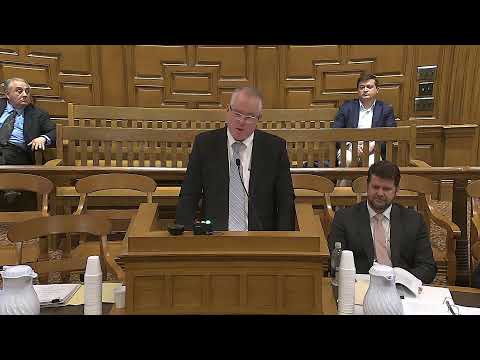
Appellant counsel Harry Haitay, representing an owner challenging the injunction, said the trial court abused its discretion by using the undefined term “weathertight” and that the term was later interpreted in a way that permitted broader reconstruction. He argued the injunction was therefore invalid and that the superior-court judge’s clarification did not cure the error.
Opposing counsel Stephen Griffin, for the plaintiff who obtained the injunction, said the work to make the building weather resistant remains incomplete and that the injunction was necessary to prevent irreparable harm to a historic structure. Griffin said the preliminary injunction and subsequent proceedings were supported by findings that the plaintiff was likely to succeed on breach-of-fiduciary and related claims and that the trust would suffer irreparable harm if the property continued to be exposed to the elements.
The court questioned counsel about whether the appeal was moot because work had begun and whether the appellant properly sought review of the original preliminary injunction rather than only the subsequent motion to clarify. Counsel for the owners said they sought relief from what they described as an invalid injunction and that a wrongful injunction claim remains viable even after some work was done.
The panel took the arguments under advisement.