Get Full Government Meeting Transcripts, Videos, & Alerts Forever!
Get email alerts on the Housing Co Living topic
No spam. Unsubscribe anytime.
Portsmouth council passes first reading of co‑living zoning change after debate over parking, management and rental terms
Summary
The Portsmouth City Council voted to pass first reading of a zoning amendment to add "co‑living" as a use and sent the proposal to public hearing and second reading on May 5, 2025. Councilors debated parking requirements, minimum stay length, on‑site management and the ordinance's family definition before approving amendments to the draft.
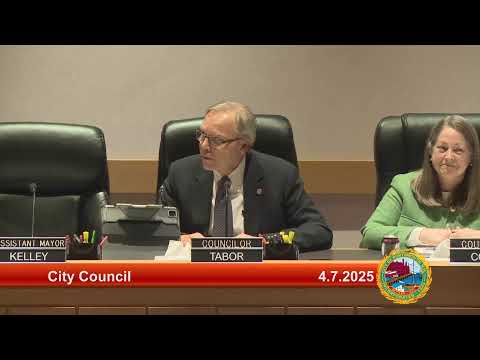
Portsmouth City Council on April 7 voted to pass first reading and set a public hearing and second reading for May 5 on a proposed zoning ordinance that would add "co‑living" as a new use in the city's zoning code.
The Planning Board drafted the ordinance after several work sessions and a public survey designed to create an option for multiple unrelated residents living in shared units or converted office buildings. Councilors and staff emphasized the proposal was intended to expand housing type options in parts of the city, including the downtown and gateway areas.
Councilor Moreau, who brought the Planning Board's work forward, said, "I think what's in here is a really good start," and asked the council for feedback on specific items still under review. The draft ordinance would add a new Section 10.815 (co‑living), amend supplemental use standards and add definitions to Article 15 of Chapter 10 (zoning).
A central topic of debate was parking. The draft ties parking requirements to proximity to public garages (a proposed 600‑foot threshold) and would require one parking space per four units in some situations. Councilor Bergman argued for housing over "car storage," saying the city should prioritize homes where possible and called turning parking lots into housing "a good thing." Councilor Cook urged removing parking requirements altogether, saying required parking can force luxury projects and raise costs.
Councilors also discussed the minimum rental term. The ordinance as introduced set a 30‑day minimum stay to distinguish co‑living from short‑term rentals. Several councilors said 30 days could be too short and suggested extending the minimum to 60 or 90 days to better serve traveling professionals and avoid creating de facto short‑term rental units. Councilor Begley and others noted the exemption helps attract workers such as traveling nurses, so the council asked the Planning Board to weigh market evidence.
On management, the draft initially required on‑site management for larger co‑living facilities. Councilors debated whether an on‑site manager should be mandatory or whether an on‑call service that can respond quickly would suffice; one proposal to specify an "on‑call manager for every 40 residents" was introduced for consideration but later not pressed to final amendment. The Acting City Attorney advised the council that the Planning Board would retain discretion to modify such conditional‑use terms and recommended any operational terms be defined clearly for staff enforcement.
Councilor Cook proposed broadening the definition of "family" so that people who form close emotional ties would not be excluded; the council instead voted to strike the specific family definition from the ordinance so the co‑living rules would not require occupants to meet that term.
The council amended the ordinance to expand where co‑living could be allowed as a conditional use, adding the G1 and G2 gateway districts and the CD4W character district (the downtown West End) to the initial downtown districts under consideration. Councilors left parking rule refinements, the final minimum stay length and operational definitions to the Planning Board to continue reviewing.
Action taken: the council voted to pass first reading of the zoning amendments (Article 4 additions, new Section 10.815, and Article 15 definitions) and scheduled a public hearing and second reading for the May 5 meeting; the council also voted to strike the defined term "family" from the ordinance and expanded the district list to include G1, G2 and CD4W. Additional technical changes and operational requirements were referred back to the Planning Board for refinement.
Councilors who spoke during the discussion included Councilor Moreau, Councilor Murrow, Councilor Bergman, Councilor Bullock, Councilor Taber, Councilor Cook, Councilor Dutton and Councilor Bagley; the Acting City Attorney advised on legal and noticing implications.
The Planning Board will continue to modify the draft and return recommendations on parking, minimum rental periods and management definitions before the May 5 public hearing and second reading.