Get Full Government Meeting Transcripts, Videos, & Alerts Forever!
Holyoke committee reviews plan to centralize finance functions, tables charter action
Summary
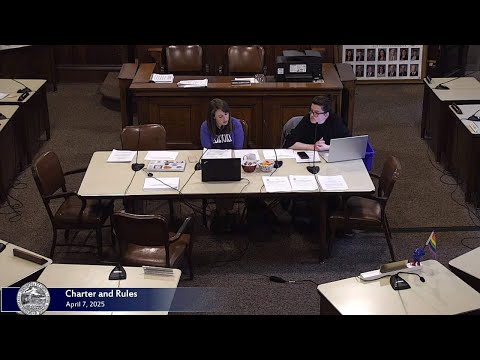
Holyoke City — At a Charter and Rules Committee meeting on April 7, 2025, committee members reviewed a multi-page municipal modernization proposal that would create a consolidated finance department led by a Chief Administrative Financial Officer and would combine the offices of city treasurer and tax collector, but the committee voted to table formal action and asked staff for draft ordinance and charter language.
Holyoke City — At a Charter and Rules Committee meeting on April 7, 2025, committee members reviewed a multi-page municipal modernization proposal that would create a consolidated finance department led by a Chief Administrative Financial Officer and would combine the offices of city treasurer and tax collector. Presenters said the change aims to strengthen internal controls, improve year‑end close procedures and produce budget savings, but committee members asked for more analysis and directed staff to prepare draft ordinance and charter language while tabling formal action.
The proposal was presented to the Charter and Rules Committee, chaired by Meg McGrath Smith, by Treasurer Rory Casey and consultant T.J. Plant, with City Solicitor Mike Bissonette available for legal questions. Plant described the CAFO role as centralizing budgeting, capital planning and multi‑year financial forecasting; Bissonette told the committee that adopting Massachusetts General Laws chapter 43C is optional for creating a finance department. The committee ultimately voted to table the items and asked the law department and staff to return with draft ordinance and charter language.
Why it matters: The reorganization would shift several accounting, procurement and auditing functions into a single, centralized finance department and establish a senior, professional CAFO position to provide continuity across administrations. Proponents said the change would reduce reliance on outside contractors, address recurring audit findings, and improve the city’s ability to close its books and manage cash flow. Opponents and some councilors pressed for concrete…
Already have an account? Log in
Subscribe to keep reading
Unlock the rest of this article — and every article on Citizen Portal.
- Unlimited articles
- AI-powered breakdowns of topics, speakers, decisions, and budgets
- Instant alerts when your location has a new meeting
- Follow topics and more locations
- 1,000 AI Insights / month, plus AI Chat