Get Full Government Meeting Transcripts, Videos, & Alerts Forever!
Get email alerts on the Education Equity topic
No spam. Unsubscribe anytime.
Stakeholders urge making school equity advisory committees advisory to superintendents, not public bodies (HB 2453 dash-2)
Summary
School-district associations and advocates told the committee the dash-2 amendment to HB 2453 clarifies intent and addresses implementation concerns by making locally required educational equity advisory committees advisory to district superintendents rather than treating them as public bodies subject to full public‑meeting law.
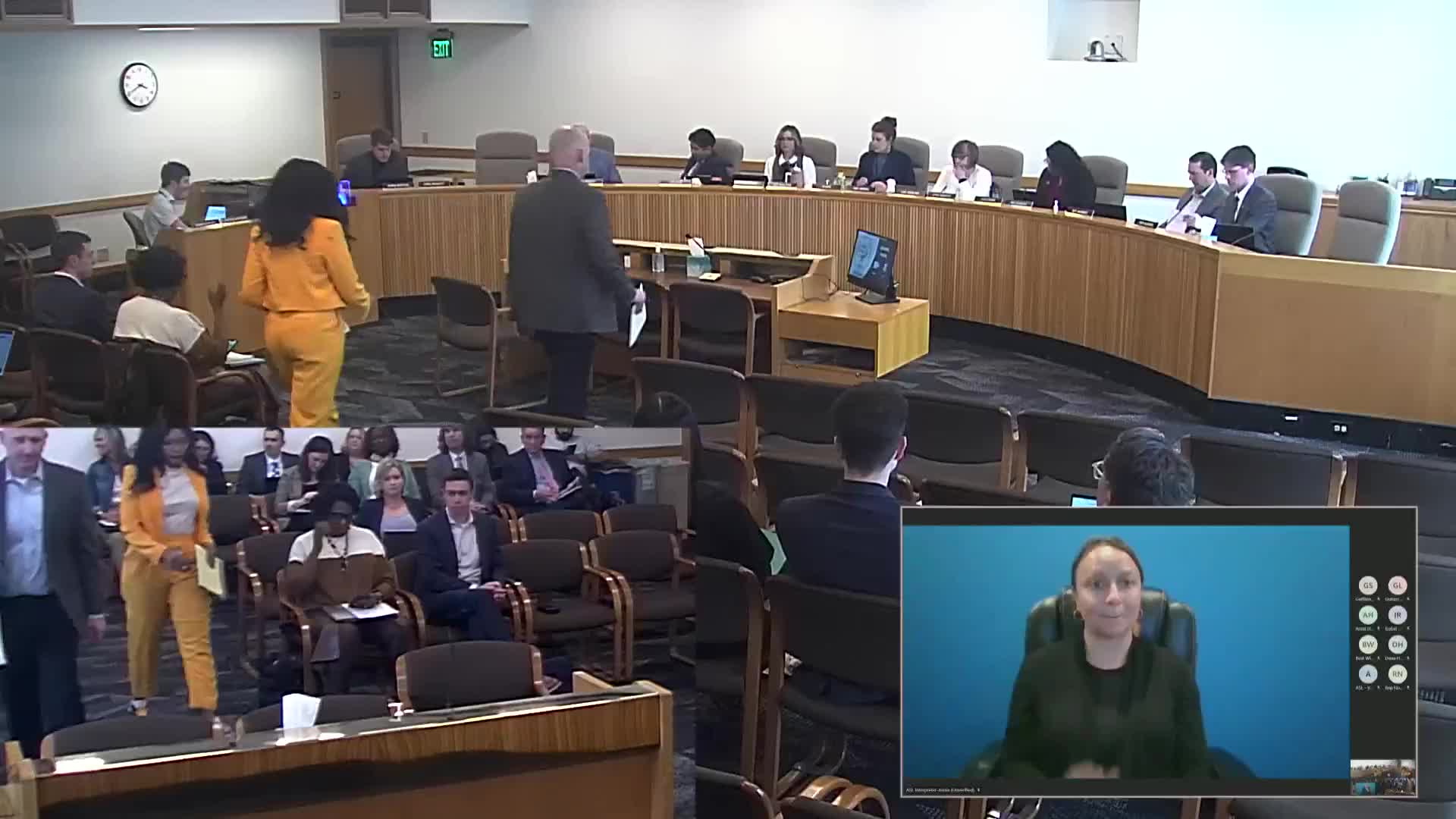
During a public hearing April 7, the House Education Committee heard testimony supporting the dash-2 amendment to HB 2453, which modifies state law governing educational equity advisory committees.
What the amendment does: The dash-2 replaces the placeholder bill and changes statutory language so educational equity advisory committees—required under 2021 legislation—are advisory to the school district superintendent rather than functionally treated as public bodies in the same way as a school board meeting. It allows committees’ annual reports to be shared with a school board either via the superintendent or, on request, as a board presentation. The amendment declares an emergency and takes effect on passage.
Why proponents support the change: Morgan Allen of COSA (Confederation of Oregon School Administrators) and Adrienne Anderson of the Oregon School Boards Association said the original language had created implementation challenges. Because the committees’ membership must include parents, students and community members and be representative of underserved groups, local leaders worried that public‑meeting requirements would reduce candid discussion, make member recruitment harder and create unintended consequences for small rural districts. Allen said there is legislative precedent for exempting similar K–12 committees from public‑meeting rules (citing a 2023 change that exempted student success teams), and that the dash‑2 amendment aligns statute with original intent.
Key clarifications requested and provided: - The amendment preserves the committees’ duties to advise on equity impacts and to raise issues that affect underserved students while changing reporting pathways to improve implementability for small districts. - COSA and OSBA said they consulted the Oregon Government Ethics Commission and believe the dash‑2 language reflects legislative intent and will allow committees to have candid discussions about sensitive topics (bullying, mental health, race) without the full procedural burdens of a public body.
Outcome: The public hearing record shows stakeholder support for the dash‑2 amendment; the committee closed the public hearing on HB 2453 following testimony in support.
Why it matters: HB 2453 clarifies how local equity advisory committees operate and should reduce practical barriers—particularly in small or rural districts—while preserving avenues for committees to inform district leadership and boards about equity concerns.