Get email alerts on the Us 20 Study topic
No spam. Unsubscribe anytime.
Committee approves study amendment for US 20 corridor near Philomath; bill to Ways and Means
Summary
Lawmakers adopted an amendment changing Senate Bill 564 from a project appropriation to a directed study and voted to send the amended measure to the floor and refer it to the Ways and Means Committee.
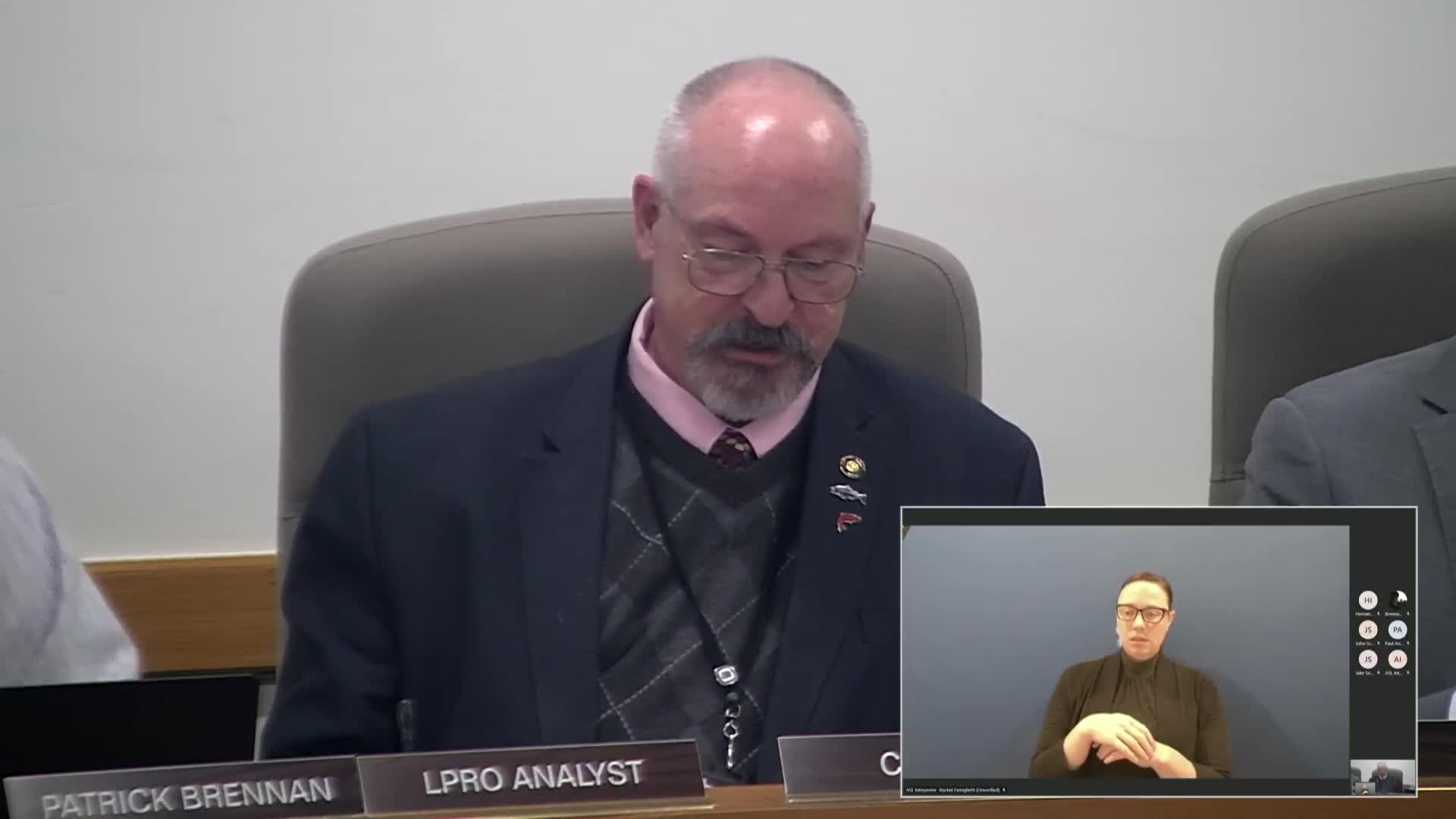
The Joint Committee on Transportation on April 7 adopted the -1 amendment to Senate Bill 564, converting the original project appropriation into a directed study. Sponsor language explained the amendment requires the Oregon Department of Transportation to study and report recommendations for increasing motor vehicle capacity on U.S. Highway 20 between OR-99 and the city of Philomath, including cost estimates and other pertinent information. The amendment sets a reporting deadline of Sept. 15, 2026, a sunset date of Jan. 1, 2027, and an effective date of July 1 of the current year with an emergency clause.
Madam Co Chair moved to adopt the amendment; the clerk recorded a roll-call vote. The amendment passed with the committee recording 11 ayes and no nays on the amendment vote (Representative Evans was excused). A subsequent motion to move SB 564, as amended, to the floor with a due-pass recommendation and referral to the Committee on Ways and Means passed on roll-call: 10 ayes, 1 nay (Senator Pham), with one member excused.
Supporters said the study approach was preferable to directing funding for a single widening project without a systems-level review. Opponents expressed concerns about setting project-specific precedents; one senator said a study bill was the right move.
Ending — The committee referred the amended SB 564 to the floor with a due-pass recommendation and prior reference to Ways and Means; the report back deadline and sunset dates are in the amendment text.
AI generated
The text on this page is AI generated. Summaries, highlights, analysis, and video transcripts are all produced from the original source material.
AI can make mistakes, so if you spot one, and we will fix it for everyone.
Note: the source content is unaltered by us. Any content source we link to, be it a video, an audio recording, or a document, is presented exactly as its publisher released it. That publisher is usually a government body, sometimes an individual official or another organisation.