Get Full Government Meeting Transcripts, Videos, & Alerts Forever!
Get email alerts on the Accountability Reform topic
No spam. Unsubscribe anytime.
Committee hears broad support and implementation questions on state accountability redesign (HB 2009)
Summary
Lawmakers, state education officials and stakeholders supported HB 2009’s accountability redesign but asked detailed questions about interim assessment use, implementation timelines and ODE reporting requirements. ODE will report implementation progress to the Legislature by Dec. 15, 2025.
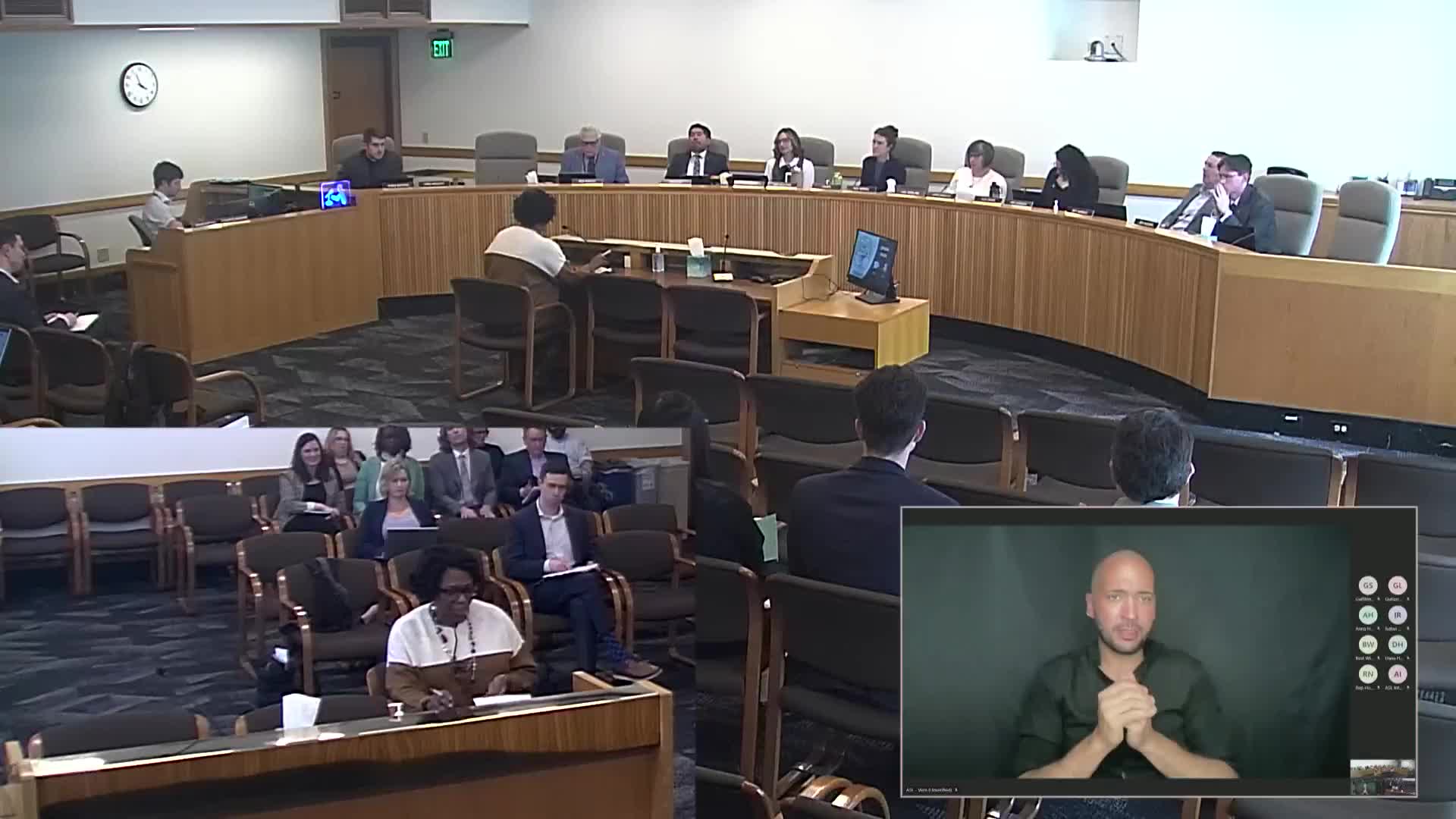
A public hearing and extended question-and-answer session on April 7 focused on House Bill 2009, a legislative package to redesign Oregon’s K–12 accountability system built on the Student Success Act infrastructure. Supporters called for shared accountability and clearer state supports; committee members pressed the Oregon Department of Education on how interim assessments and other metrics would be used in practice.
The bill’s dash-4 amendment makes multiple changes to the accountability framework: it aligns Division 22 complaint-resolution timelines with third‑party review recommendations; adjusts performance‑growth targets for new metrics (K–2 attendance, eighth‑grade math and a local‑option metric) to begin in the 2026–27 school year; expands a menu of locally selected metrics to five items chosen by the State Board of Education; requires interim assessments at least three times per year for K–8 math and reading; and requires ODE to report to the Legislature on implementation progress no later than Dec. 15, 2025. The amendment also directs ODE to consolidate reporting and improve internal operations and regional supports ahead of the 2026–27 school year.
Stakeholder statements
- Jonna Timbs, Governor’s education initiatives director, summarized the dash-4 and described ODE’s intent to consolidate grant reporting, improve internal operations and coordinate state and regional supports. She said the framework is “aimed at providing better collaboration and support from the state when districts need help boosting student outcomes rather than a punitive approach.”
- COSA (Morgan Allen) and OSBA (Adrienne Anderson) supported the amendment; they asked the Legislature to clarify that educational equity advisory committees remain implementable for small districts and not be treated as public bodies when doing sensitive work (this is addressed in a different bill before the committee). They stressed the need for the department to complete the consolidated work streams before 2026–27.
- Foundations for a Better Oregon and Oregon Partners for Education Justice testified in support of HB 2009, emphasizing equity and the value of interim assessments to detect needs early and adjust instruction.
- Education service district leaders (Amber Eaton for OAESD) urged recognition that some ESDs enroll K–12 students for specialized services and asked that nontraditional programs be treated in rulemaking to ensure oversight is meaningful and tailored.
Questions from the committee and ODE responses
Committee members asked detailed implementation questions focused on three themes: the practical use of interim assessments; how interim assessments would affect high school schedules; and how ODE will support and partner with districts.
- Interim assessments: ODE staff said many districts already administer interim assessments in the fall, winter and spring and the bill’s requirement is meant to make that practice state-level policy for K–8 math and reading, with results reviewed publicly three times per year. ODE representatives said interim assessments provide growth information that helps districts pivot instruction and identify students needing support.
- High-school scheduling concern: Committee members asked about scheduling and instructional disruption if statewide interim assessments were added at the secondary level. ODE responded that rulemaking and implementation planning will address operational issues and that best practice is to integrate interim assessment into ongoing teaching to minimize disruption.
- Small districts and nontraditional programs: ODE staff said small districts have exemptions or alternate measures in current practice and that the bill contemplates a work group to design appropriate metrics and supports for nontraditional programs (ESDs that enroll K–12 students, youth corrections, recovery schools, etc.).
Accountability and agency reporting
Section 34 of the dash‑4 amendment requires ODE to submit a report to the Legislature no later than Dec. 15, 2025. The report must summarize administrative and organizational changes to improve grant consolidation, reporting, data collection and public transparency before the 2026–27 school year; it must also outline how the department intends to organize state and regional efforts to elevate best practices and responsive support for districts.
Why it matters: HB 2009 would reframe state–local relations by codifying a model of shared accountability that pairs clarified statewide metrics with additional state and regional supports. Supporters say the redesign will surface gaps earlier and provide resources; skeptics and committee members want clear, ongoing feedback loops so districts and the department can course-correct during implementation.
What’s next: The bill remained in committee at the end of the hearing for follow-up and for ODE to provide the December 2025 progress report called for in the amendment.