Get Full Government Meeting Transcripts, Videos, & Alerts Forever!
Get email alerts on the Arts Center topic
No spam. Unsubscribe anytime.
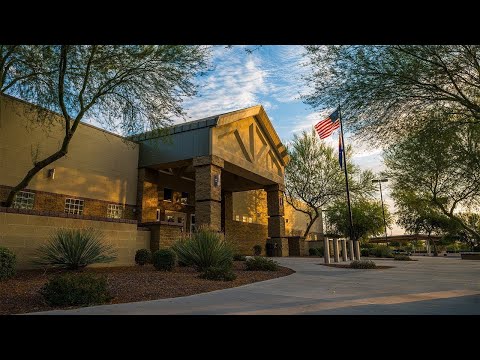
Study finds Vista Center for the Arts marketable; recommends city-district partnership and $840,000 upgrades
Summary
A Theater DNA feasibility study presented to the Dysart Governing Board recommended the City of Surprise take the presenting role at the Vista Center for the Arts while the district remains venue manager; the study estimates about $840,000 in near-term capital work and recommends a five-year partnership and an intergovernmental agreement.
The Dysart Unified School District on Monday heard a feasibility study recommending a formal partnership with the City of Surprise to resume large-scale public programming at the Vista Center for the Arts on the Valley Vista campus.
Consultant Alex Hargas of Theater DNA told the governing board the West Valley market is supportive of a presenting program and that the Vista’s roughly 1,300-seat configuration is competitive in the regional market. “Yes, you have very favorable conditions here in the West Valley to support entertainment spending,” Hargas said.
The study evaluated three questions: whether there is a viable market for touring/presented shows; how the district’s prior pilot years performed as a business case; and which stakeholder should be the primary presenter if the district steps back. Theater DNA concluded the market is viable, the district’s early seasons improved to near‑breakeven by year three, and the city would be the preferable presenter while the district retains venue management and school uses.
The report identified roughly $840,000 in near‑term capital needs, led by replacement of a failing incandescent performance lighting system and other items Theater DNA classified as “need to do.” The study suggested funding those repairs through an initial city investment, rental-fee waivers during a transition period, and a per-ticket $3 capital maintenance fee on city-presented shows.
The consultant also recommended a five-year trial commitment and an intergovernmental agreement (IGA) to set roles and create a new presenting division inside the City of Surprise’s sports and tourism office. Director-level day‑of-event oversight would remain a district responsibility; Theater DNA suggested the district fund one full-time theater manager to ensure venue readiness for city-presented events.
Board members asked about content control and calendar priority. Hargas said programming and content coordination would be addressed in the IGA and through a joint management advisory team composed of city and district representatives. “There is a set up called a joint management advisory team ... and that also includes content and programming,” he said. Superintendent John Crodo emphasized the facility would remain an educational resource first: the district would calendar student and school events before releasing available dates to city presenters.
District and city officials in the room included Councilman Judd, Bob Wingenroth, John Cavaletto of the Vista Foundation and representatives of the Surprise mayor’s office. Danae, who has led the district’s arts work on the Vista, introduced Theater DNA’s presentation and thanked partners for their collaboration.
Board members expressed general support but asked for more detail on timing, revenue projections and the proposed governance structure. Theater DNA’s timeline suggested a best-case reopening for presenting by next spring, with fuller operations by fall 2027, subject to the timing of the IGA and capital work.
The board did not take formal action on the presentation Monday; members directed staff to accept questions and return with recommended next steps and a draft framework for the IGA.