Get Full Government Meeting Transcripts, Videos, & Alerts Forever!
Get email alerts on the Housing And Community Development topic
No spam. Unsubscribe anytime.
Clark County outlines five‑year HUD plan, asks Battle Ground for local input
Summary
Clark County Community Services and its consultant described the consolidated plan process for Community Development Block Grant (CDBG) and HOME funds and asked Battle Ground officials to help publicize a short community survey and targeted meetings ahead of May adoption by the county.
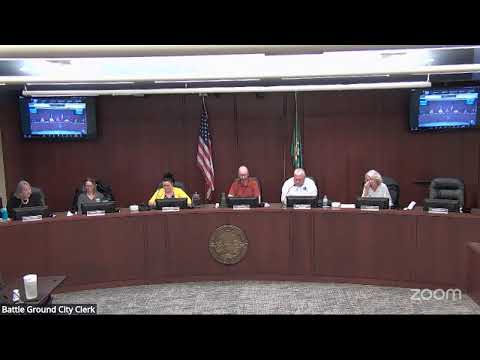
Rebecca Royce, a program coordinator with Clark County Community Services, told the Battle Ground City Council on April 7 that the county is preparing a five‑year consolidated plan required by the U.S. Department of Housing and Urban Development (HUD) and is seeking local feedback.
The consolidated plan sets broad strategies for CDBG and HOME funds and is paired with an annual action plan that allocates specific projects for the coming year, Royce said. She asked the city to help distribute a short community survey and to share results from local stakeholder meetings before the plan goes to the Clark County Council for adoption on May 6.
Why it matters: CDBG and HOME are the county’s primary federal housing and community development grants. Royce said the 2024 CDBG award to the Urban County was “just over $1,500,000” and the HOME allocation was “just over half a million dollars,” and that those amounts require the county to be strategic and to leverage other funding. She said CDBG funds can support housing rehabilitation, public facilities, sidewalks and parks, microenterprise support and limited public services (up to 15% of CDBG funds). HOME funds are more prescriptive and typically support construction, rehabilitation and rental assistance.
County staff and the consultant, Resource Consultants’ Elizabeth McNaney, described participation steps: stakeholder interviews, in‑person outreach (the county team visited the Battle Ground library and Project Homeless Connect), and a short survey the consultant said was intentionally brief to improve response rates. Royce said eligible beneficiaries typically are households at or below 80% of area median income for CDBG and 60% for HOME programs, and she noted HUD’s “national objectives” that require most activities to benefit low‑ and moderate‑income persons or areas.
Council members asked about the survey link and user experience; staff agreed to check broken links and distribute QR codes and summary results. Royce said the county will finalize the consolidated plan and submit it once HUD announces actual entitlement amounts for the fiscal year that begins July 1.
The county asked the council to help circulate the survey and offered to share summary data and QR codes with city staff.
Sources and attribution: Royce and McNaney spoke during the consolidated plan presentation to the council; direct quotes in this article come from those speakers and public record presented at the April 7 meeting.
Next steps: Clark County will present the consolidated plan package to the Clark County Council for adoption on May 6; after that, the county will submit required documents to HUD once final allocations are known.