Get Full Government Meeting Transcripts, Videos, & Alerts Forever!
Get email alerts on the Courts Staffing topic
No spam. Unsubscribe anytime.
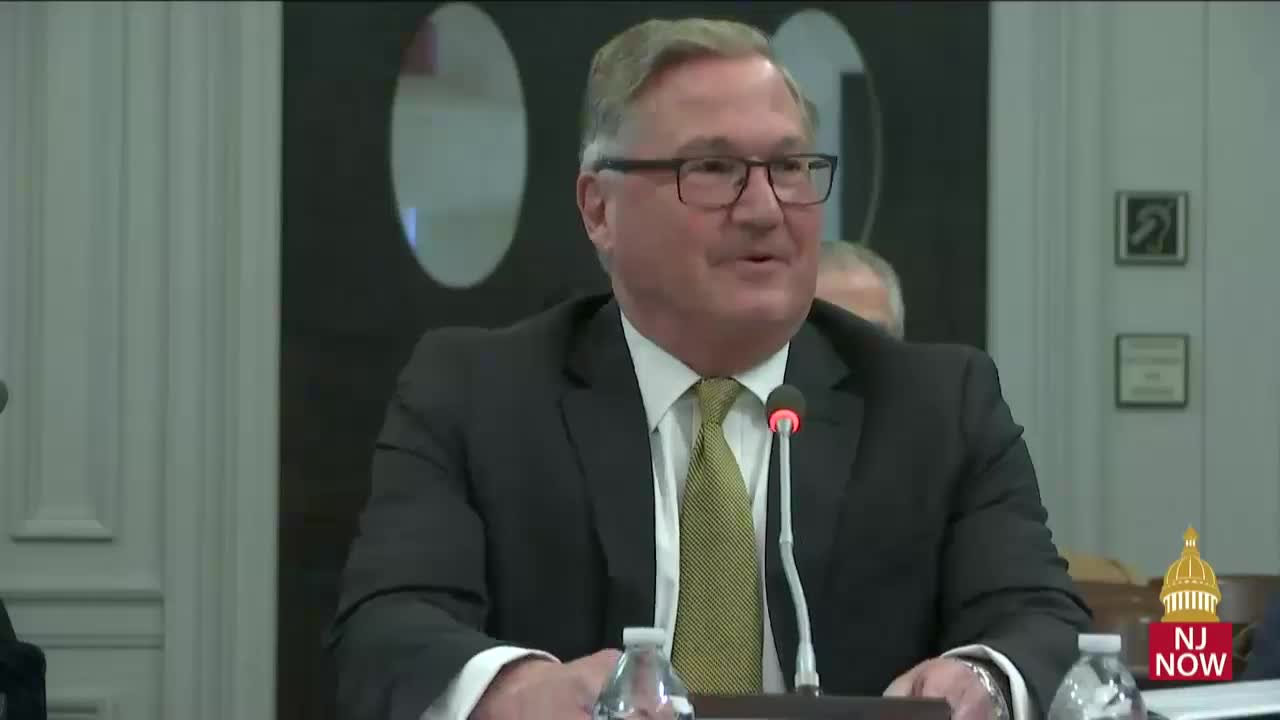
New acting administrative director warns staffing shortfalls are slowing courts as backlog persists
Summary
Acting administrative director Michael Blee told the Assembly Budget Committee that New Jersey courts still face a post‑COVID backlog and judicial vacancies that limit the system’s ability to clear cases; vicinages with fewer judges are disproportionately affected.
Acting administrative director Michael Blee told the Assembly Budget Committee on April 1 that New Jersey’s judiciary is working to reduce a post‑pandemic case backlog but remains hampered by judicial vacancies and staff shortfalls.
Blee said the number of cases resolved grew nearly 12 percent in the past fiscal year, lowering the total backlog to 21 percent, but added that the improvement “falls short of our present goal.” He said filling judicial vacancies remains a priority to provide “timely justice for all.”
The committee heard from assignment judges who said raw vacancy counts understate the operational impact. Assignment Judge Kevin Shanahan described how a single vacancy in a smaller vicinage can produce the same operational strain as multiple vacancies in larger counties: “A vacancy in Vicinage 13 is probably the equivalent of 2 and a half vacancies in a larger county.” Shanahan said some smaller vicinages are already near an operational breaking point and that recent shutdowns and COVID‑era backlogs have increased demand for judges and staff.
Blee said the judiciary has used recall (retired) judges to cover shortfalls but stressed that recall judges are not a substitute for new, full‑time appointments. He described the recall program as capped by pension and statutory constraints and used “as needed” depending on vicinage workload.
Committee members asked whether the judiciary’s technology and hybrid work policies were helping manage staffing pressure. Blee said judges and court staff use a mix of in‑person and remote work—judges primarily in court, judicial secretaries and law clerks allowed a few remote days—both to maintain operations and to aid recruitment and retention.
Committee members pressed for data and for regular updates; Blee and staff offered to provide more detailed vacancy and backlog spreadsheets to the committee.
Ending: Committee members said they will continue to press the Senate and other stakeholders to prioritize filling judicial vacancies, noting the operational and citizen impacts of delayed trials and proceedings.