Get Full Government Meeting Transcripts, Videos, & Alerts Forever!
Get email alerts on the Municipal Policy Resolutions topic
No spam. Unsubscribe anytime.
Whitehall council advances review of immigrant-rights, gender-affirming-care resolutions after public testimony
Summary
Councilmembers scheduled a final subcommittee meeting next week on two resolutions — one supporting immigrant protections and one declaring Whitehall a safe haven for gender-affirming health care — after multiple residents testified in favor during public comment.
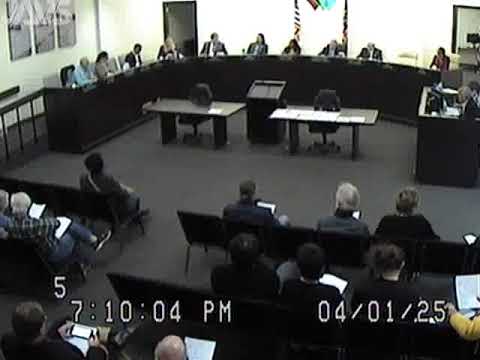
Councilmembers for the City of Whitehall heard more than a half-dozen public speakers on Tuesday urging passage of two pending resolutions that would limit local cooperation with federal deportation programs and declare the city a safe haven for gender-affirming health care.
Supporters at the meeting urged the council to adopt Resolution 10 20 25, described as supporting immigrant rights and protections, and Resolution 11 20 25, described as proclaiming Whitehall a safe haven for gender-affirming health care. Both items are at second reading; councilmembers said they will hold one more subcommittee meeting to finalize language before the next council meeting.
Why it matters: The resolutions touch on law enforcement practice and municipal posture toward federal immigration enforcement and access to gender-affirming care — subjects that affect residents’ interactions with police, immigration authorities, and local services. Several residents said passage would increase community trust and safety.
At public comment, Jin Ali, introduced as a resident, said the deportation climate had left immigrant neighbors fearful and urged approval of Resolution 10 20 25, saying the measure would “ensure that Whitehall is a safer, more welcoming community for people like me.” Shana Solomon, who also identified herself as a resident, told the council the measures would protect diverse communities at a moment she described as especially threatening for immigrant groups. Stephanie Reynolds, an educator, said she supported both resolutions and cited recent state-level bills that have affected transgender students as reason to protect gender-affirming care locally.
Council discussion and process: Councilwoman Harcourt confirmed the council received revisions to both resolutions and said she expects “one more subcommittee meeting to make sure that there's no additional changes.” That meeting, she and other members said, should occur before the next full council session. No final votes on either resolution were taken Tuesday.
Comments and context from speakers and council members emphasized legal and procedural limits: one public speaker noted Ohio is a home-rule state (a characterization stated in public comment), and councilmembers repeatedly framed the current step as further review rather than final adoption. The council calendar posted at the meeting placed the ordinances and resolutions for additional committee work and a possible public hearing on April 15, 2025.
What wasn’t decided: Neither resolution was adopted Tuesday. Councilmembers did not take a formal vote on either measure; the last formal status recorded in the meeting was that both items would be finalized in subcommittee and returned for further consideration.
Next steps: The council scheduled a subcommittee meeting to finalize the text; councilmembers who spoke said they would report back at the next committee meeting. A public hearing was noted on the agenda for April 15, 2025, for related items that are placed on that date.