Get Full Government Meeting Transcripts, Videos, & Alerts Forever!
Get email alerts on the Public Safety topic
No spam. Unsubscribe anytime.
House approves new obstruction offense tied to repeated emergency calls after debate over penalty level
Summary
The House passed Senate Bill 60 to address repeated misuse or interference with 911 operations. Lawmakers debated whether the offense should be a class 2 misdemeanor or a lesser petty offense; the bill passed after the sponsors and supporters secured floor approval.
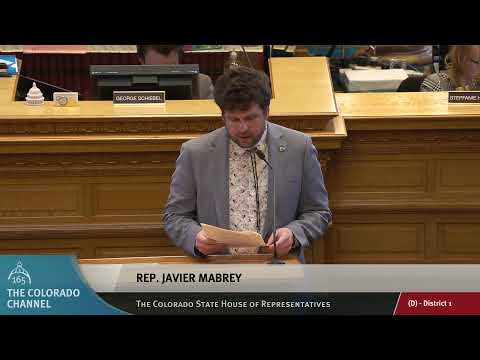
Senate Bill 60, a measure expanding obstruction-of-government-operations law to cover repeated contact with public-safety emergency-call centers after warnings, passed the Colorado House on April 1 following heated discussion about appropriate penalties and discretion for dispatchers.
Proponents said repeated abusive or nuisance calls can overwhelm 911 centers, divert resources from real emergencies and create safety risks. Representative Clifford, speaking for the floor, described instances where a single day included thousands of calls and asked for a statutory tool to deter and penalize bad actors. Law-enforcement witnesses and public-safety stakeholders told the committee and floor that civil remedies had not proved sufficient in some jurisdictions.
Opponents raised due-process, mental-health and implementation concerns. Several members sought to reduce criminal exposure by converting the offense to a petty offense (a lower-level penalty) instead of a class 2 misdemeanor; that amendment (L009) was proposed and debated. The amendment was rejected in a floor division. Some members of the judiciary committee urged caution about jail time for people with mental-health issues and argued for alternatives such as civil penalties and social-service referrals. The final bill passed the House as presented on the floor.
Sponsor and committee statements directed that dispatch centers should have warning procedures in place and that police should be able to pursue charges when callers repeatedly contact emergency services after being warned not to do so.